Pumi vs Wetterhoun
Side-by-side comparison across all 14 AKC trait ratings, with a clear verdict on which breed fits which kind of household.

Not sure which breed fits your life?
Answer five questions about your home, your schedule, and your tolerance for shedding. We’ll match you to your top three breeds from over 200.
Pumi vs Wetterhoun
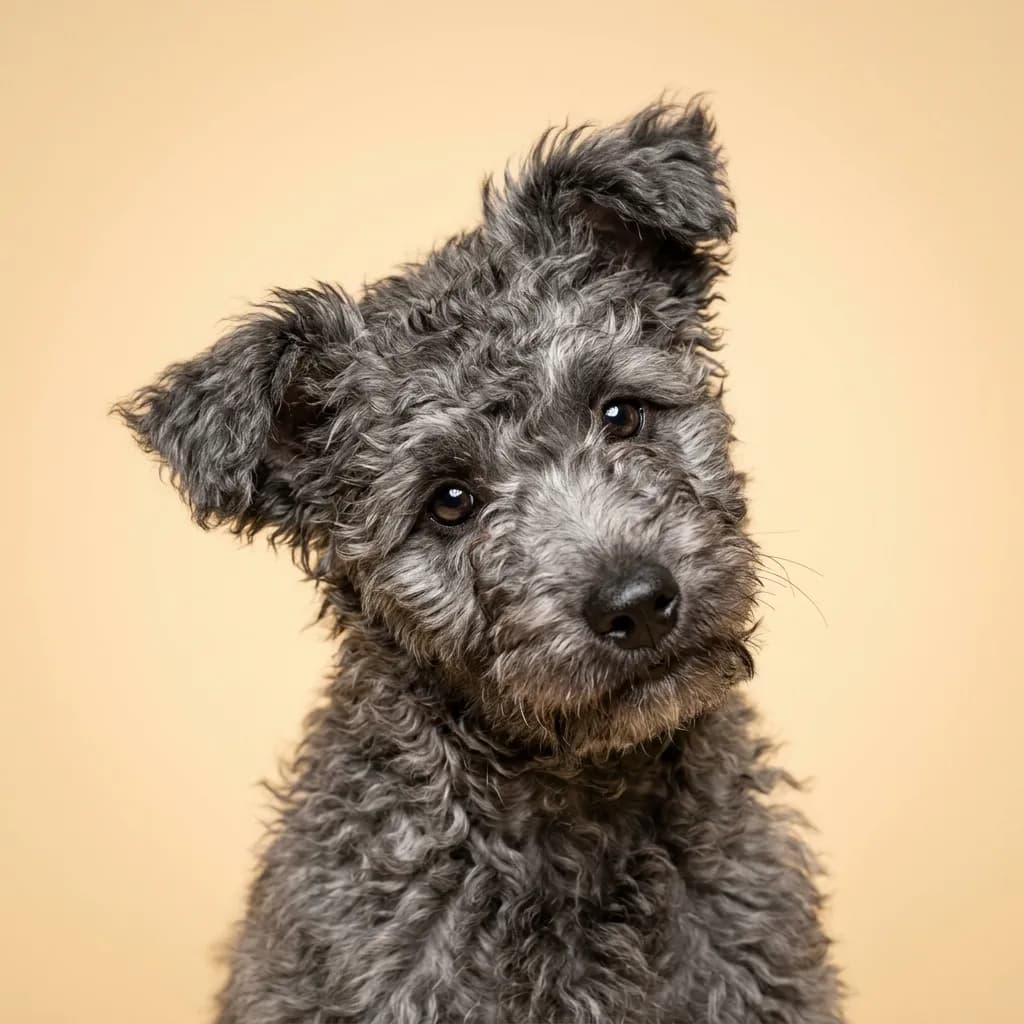
You’ll rarely see a Pumi and Wetterhoun squared off at a dog park, but somehow they keep popping up together in breed comparison searches—probably because both are rare, both have wiry coats, and both sound like something you’d spell wrong on a quiz. But that’s where the surface similarity ends. These dogs come from opposite ends of Europe and entirely different jobs, and choosing between them isn’t about preference—it’s about lifestyle. The Pumi is a volcanic little herder from Hungary, built like a coiled spring. These dogs live to work, think, and engage. You’ll need to keep up—mentally and physically. They’re brilliant in agility, thrive on tasks, and bond fiercely with their people. But they’re not chill. They don’t do boredom well, and if you’re home all day on the couch, this dog will either become a nuisance or a neurotic mess. They’re great with kids only if the kids know boundaries, and even then, it’s hit or miss. Now, the Wetterhoun? Think of a rugged, water-loving gundog from the Dutch marshlands. Heavier, broader, built for cold and muck. Calmer by nature but not lazy—he needs purpose, especially in the field. These dogs are loyal and surprisingly affectionate once bonded, but they demand early socialization. Without it, they can be standoffish or wary. And their coat? Low shedding, yes, but high maintenance if you want to keep that distinctive, tousled look. Here’s the real talk: the Wetterhoun isn’t as sharp out of the box as the Pumi, but he’s steady. The Pumi will out-think you by Tuesday and then demand a pay raise. You don’t “own” a Pumi—you negotiate with it daily. Pick the Pumi if you’ve got the time, energy, and experience to match a canine genius. Choose the Wetterhoun if you're in a rural setting, hunt, or love a loyal, low-shedding companion who doesn’t need to solve puzzles to be happy—just a good swim and a job well done.
Trait-by-trait
Higher bar = more of that trait. Shedding, barking, drooling, grooming flipped for readability.Where they diverge
Choose the Pumi if…
- Active owners
- Dog sports enthusiasts
- Experienced herding breed owners
- You value trainability — Pumi scores noticeably higher.
Choose the Wetterhoun if…
- hunters
- active rural owners
- experienced sporting dog owners