Pumi vs Yorkshire Terrier
Side-by-side comparison across all 14 AKC trait ratings, with a clear verdict on which breed fits which kind of household.

Not sure which breed fits your life?
Answer five questions about your home, your schedule, and your tolerance for shedding. We’ll match you to your top three breeds from over 200.
Pumi vs Yorkshire Terrier
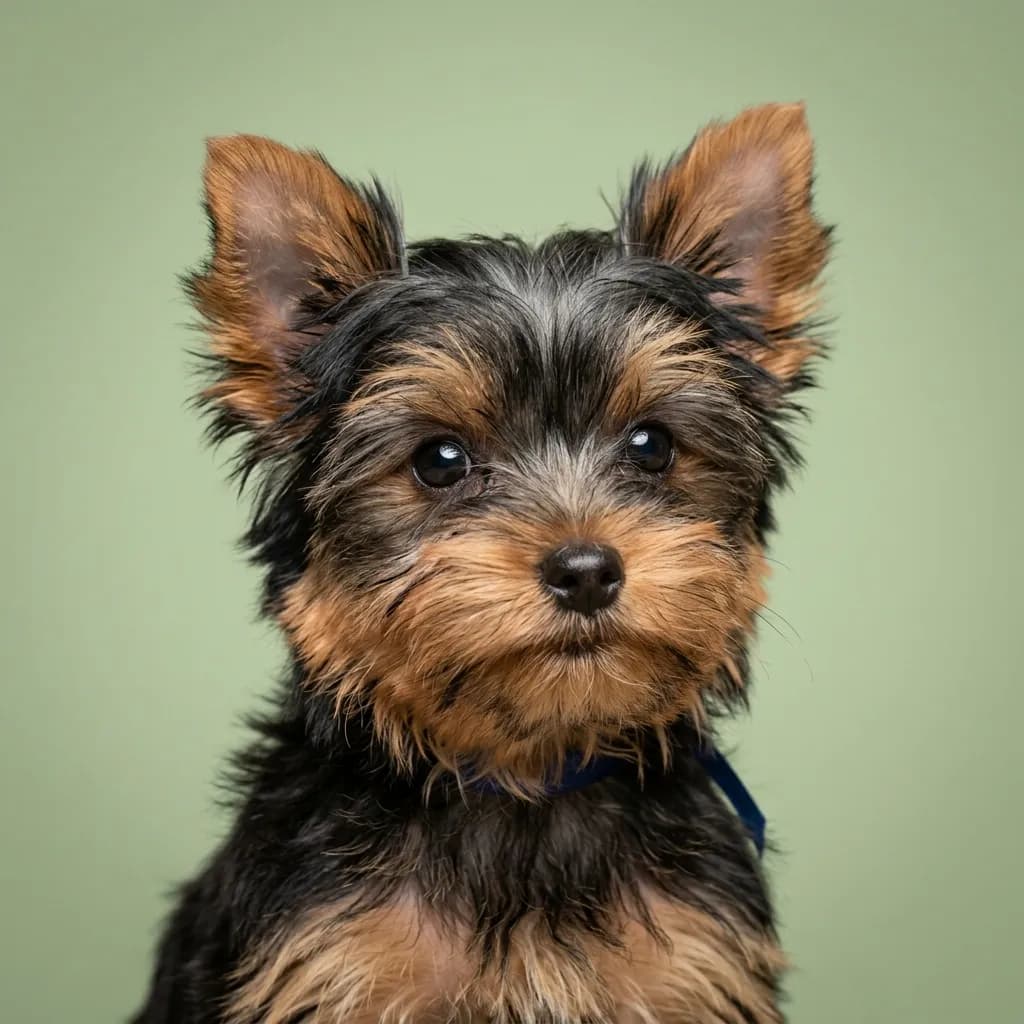
People compare Pumis and Yorkshire Terriers because both are small, energetic, and shed next to nothing. On paper, they seem like two sides of the same coin—lively, alert, low-shedding dogs that bond fiercely with their people. But bring one home, and you’ll quickly realize they’re built for entirely different lives. The Yorkshire Terrier was born in the grimy mills of 19th-century England, bred to dart through dark corners and take down rats. Today, that feisty legacy means a bold, affectionate pocket dog that thrives in apartments and adores being a lap companion. They’re adaptable, sweet with older kids, and surprisingly durable for their size—just don’t let them near a Great Dane at the dog park. The Pumi, though? This Hungarian herding dog is like a coiled spring in a curly coat. At just under 30 pounds, it’s three times the size of a Yorkie and built for motion. This isn’t a dog that settles into your sweater pocket. It needs jobs, training challenges, and daily mental sprints. You don’t just walk a Pumi—you work it. Dog sports like agility or herding trials aren’t extras, they’re survival tools. So who chooses which? If you’re a retiree in a city apartment or want a portable, people-focused companion, the Yorkie fits like a glove. But if you’re active, experienced with dogs, and crave a partner who’ll excel in training and thrive on activity, the Pumi will light up your life—just don’t expect quiet evenings. Here’s the real talk: both are high-energy, but the Yorkie’s energy is social and reactive, while the Pumi’s is purposeful. Misread that, and you’ll end up with either a neurotic lapdog or a herding addict nipping your kids’ heels. Know your rhythm. Match it to theirs.
Trait-by-trait
Higher bar = more of that trait. Shedding, barking, drooling, grooming flipped for readability.Where they diverge
Choose the Pumi if…
- Active owners
- Dog sports enthusiasts
- Experienced herding breed owners
- You value drooling level — Pumi scores noticeably higher.
Choose the Yorkshire Terrier if…
- Apartment living
- People with mild dog allergies
- Seniors and retirees
- You value coat grooming — Yorkshire Terrier scores higher here.