Pyrenean Shepherd vs Saint Bernard
Side-by-side comparison across all 14 AKC trait ratings, with a clear verdict on which breed fits which kind of household.

Not sure which breed fits your life?
Answer five questions about your home, your schedule, and your tolerance for shedding. We’ll match you to your top three breeds from over 200.
Pyrenean Shepherd vs Saint Bernard
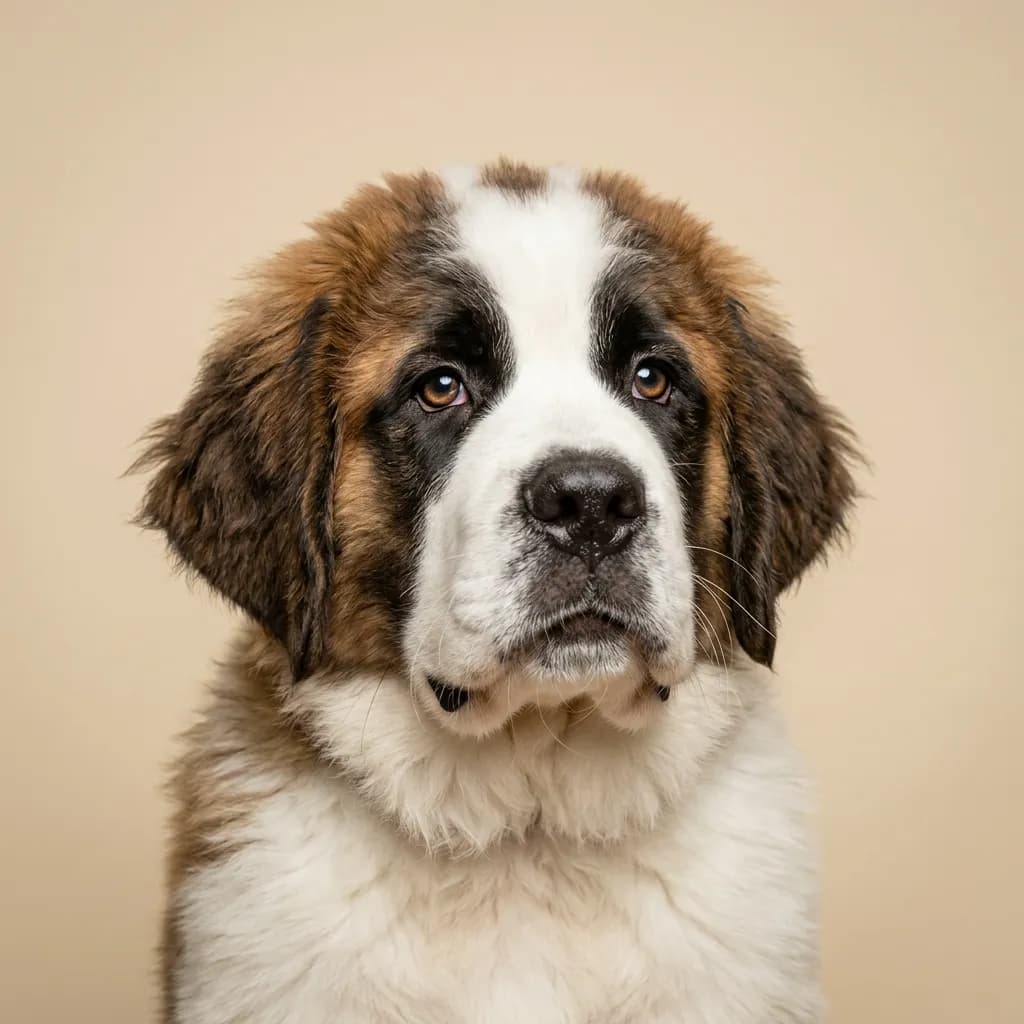
You’d never expect anyone to seriously consider a Pyrenean Shepherd and a Saint Bernard for the same home unless they’re deep into dog breeds or maybe confused by “big mountain dogs.” But here’s the truth—both hail from high-altitude origins, bred for rugged terrain and tough weather. One herded sheep in France’s Pyrenees, the other rescued travelers buried in Swiss snow. Yet today, people sometimes weigh them both when they want a loyal, hardy dog. That’s where the similarities end. The Pyrenean Shepherd is a lightning bolt in fur form. At 15 to 30 pounds, this dog lives for movement, problem-solving, and partnership. You’ll need to match its intensity. It’s not just about long walks—it needs jobs, puzzles, dog sports, or training games. Boredom is your enemy. It’s affectionate but selective with kids, better with older families who respect its pace. First-time owners? You’ll be overwhelmed. The Saint Bernard is the opposite in energy but equal in loyalty. Think warm hugs, drool on your shoulder, and a dog that wants to be near you, always. It’s patient, gentle with children, and surprisingly adaptable indoors—if you have space. But you can’t ignore its size. Stairs, vet visits, and bloat risk are real concerns. And yes, you’ll wipe drool daily. Here’s what no chart tells you: the Pyrenean Shepherd thrives on being needed, while the Saint Bernard just wants to belong. Choose the first if you want a coworker in dog form. Choose the second if you want a family pillar. One demands your time, the other just your presence. Pick based on the life you actually live—not the one you imagine.
Trait-by-trait
Higher bar = more of that trait. Shedding, barking, drooling, grooming flipped for readability.Where they diverge
Choose the Pyrenean Shepherd if…
- Highly active owners
- Dog sports enthusiasts
- Herding enthusiasts
- You value barking level — Pyrenean Shepherd scores noticeably higher.
Choose the Saint Bernard if…
- Families with children
- Those wanting a gentle giant
- Cold climate households
- You value drooling level — Saint Bernard scores higher here.