Pyrenean Shepherd vs Working Kelpie
Side-by-side comparison across all 14 AKC trait ratings, with a clear verdict on which breed fits which kind of household.
Not sure which breed fits your life?
Answer five questions about your home, your schedule, and your tolerance for shedding. We’ll match you to your top three breeds from over 200.
Pyrenean Shepherd vs Working Kelpie
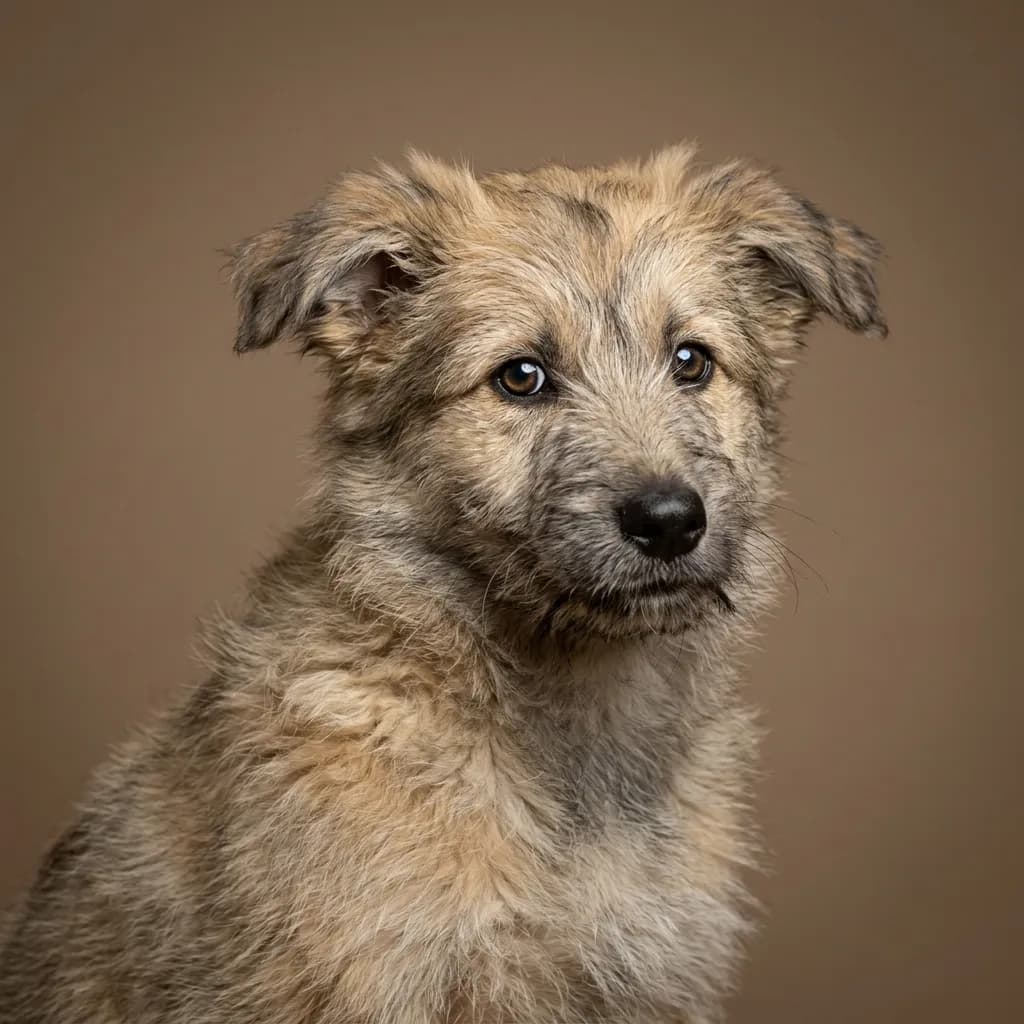
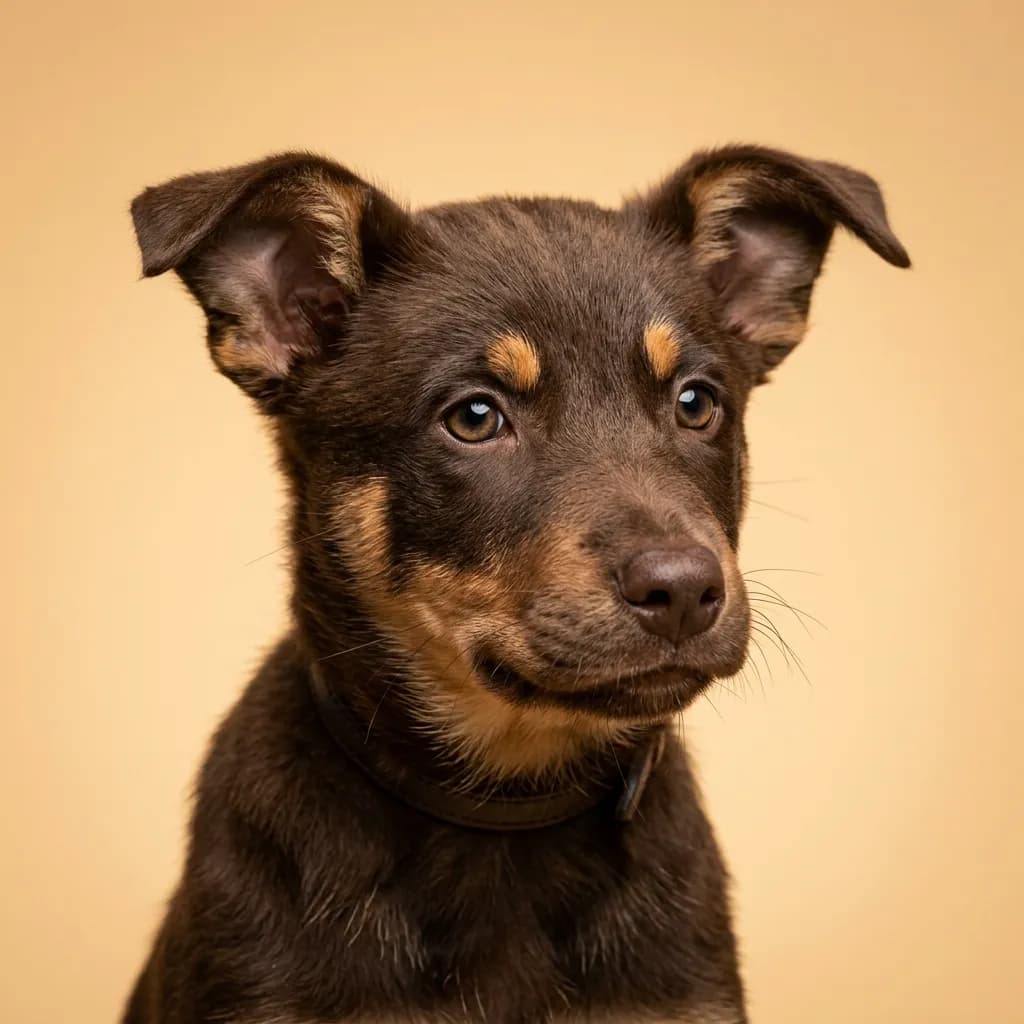
People compare Pyrenean Shepherds and Working Kelpies because both are high-octane herding dogs built for serious work and sport. They’re not just smart. They’re obsessed with having a job. But that’s where the similarities tighten into a leash. If you’re choosing between them, you’re really choosing between two kinds of intensity—different flavors of fire. The Pyrenean Shepherd is lean, wiry, and deeply bonded—almost velcro-like in affection. At 15 to 30 pounds, it’s built for agility, not brute force. It’ll sprint up a mountain, then curl into your lap like it’s half its size. This dog wants to be with you, all the time, and it thrives on connection. It’s louder, more sensitive, and less forgiving of isolation. You’ll need time for training, for games, for hikes. A bored Pyr Shep will rewire your houseplants into chew toys. The Working Kelpie, meanwhile, is a powerhouse built for open range. At 28 to 60 pounds, it’s stronger, more independent, and laser-focused on tasks over cuddles. It’s not cold, but affection is earned through work. It’s bred to cover miles without tiring, to read livestock like a seasoned ranch hand. It doesn’t need your lap. It needs a horizon. Families with kids and space in the country? Go Kelpie. You’re not first-time owners, and you’re okay with a dog that thinks in work mode. Urbanite with time for dog sports and a heart for a clingy, clever shadow? The Pyr Shep might wreck your shoes but will adore you for it. Here’s the real talk: neither dog just needs exercise. They need purpose. Without it, they don’t just misbehave—they unravel.
Trait-by-trait
Higher bar = more of that trait. Shedding, barking, drooling, grooming flipped for readability.Where they diverge
Choose the Pyrenean Shepherd if…
- Highly active owners
- Dog sports enthusiasts
- Herding enthusiasts
- You value affectionate w/ family — Pyrenean Shepherd scores noticeably higher.
Choose the Working Kelpie if…
- Farmers and ranchers
- Experienced dog owners
- Active rural lifestyles
- You value good with young children — Working Kelpie scores higher here.