Rat Terrier vs Samoyed
Side-by-side comparison across all 14 AKC trait ratings, with a clear verdict on which breed fits which kind of household.

Not sure which breed fits your life?
Answer five questions about your home, your schedule, and your tolerance for shedding. We’ll match you to your top three breeds from over 200.
Rat Terrier vs Samoyed
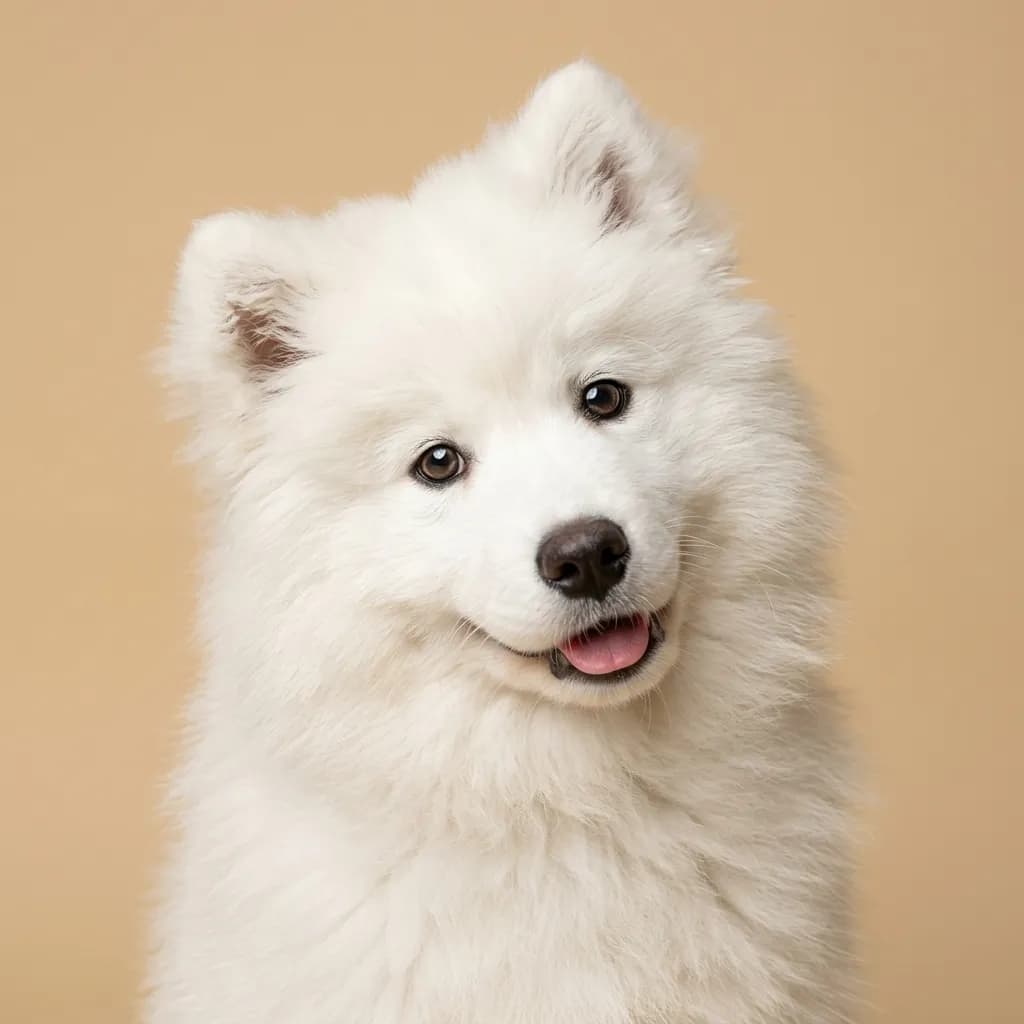
You’d be surprised how often people pit the Rat Terrier against the Samoyed. On paper, they’re nothing alike—one’s a lean little farmhand from the American Midwest, the other a snowproof, smiling musher from Siberian tundra. But dig deeper, and you’ll see why they get compared: both are friendly, energetic, and great with kids. They’re loyal, smart, and thrive in active homes. That’s where the surface-level similarities end. The Rat Terrier is your compact, no-nonsense companion. At 10 to 25 pounds, it fits neatly into apartments or small yards, but don’t let the size fool you. This dog’s got gears—switching from snoozing on the couch to full-on backyard patrol in seconds. Bred to hunt rats, it’s got a sharp eye for movement, which means you’ll want to think twice about pet hamsters or guinea pigs in the house. It’s highly trainable, thrives on mental games, and will master obedience with joyful precision. If you want a dog that’s easy to teach, easy to love, and always curious, this one’s a gem. The Samoyed, by contrast, is a fluff-packed force of nature. At 35 to 65 pounds and thick-coated, it’s built for cold—think Alaskan winters, not Arizona afternoons. That stunning white coat? It sheds. Constantly. And it barks. A lot. Not out of aggression, but because it’s social, alert, and likes to chat. Training is doable, but there’s a stubborn streak under that smile. This dog needs space, cold weather, and commitment to grooming—multiple times a week. Here’s the real talk: both are affectionate and lively, but the Samoyed demands lifestyle adjustments. The Rat Terrier adapts to you. The Samoyed asks you to adapt to it. Pick the Rat Terrier if you want a clever, manageable dog that fits your life. Pick the Samoyed if you’re ready to build your life around a glorious, barking snowball.
Trait-by-trait
Higher bar = more of that trait. Shedding, barking, drooling, grooming flipped for readability.Where they diverge
Choose the Rat Terrier if…
- Active families
- First-time dog owners
- Apartment or small home living
- You value trainability — Rat Terrier scores noticeably higher.
Choose the Samoyed if…
- Active families
- Cold climate households
- Dog sports enthusiasts
- You value barking level — Samoyed scores higher here.