Rat Terrier vs Schipperke
Side-by-side comparison across all 14 AKC trait ratings, with a clear verdict on which breed fits which kind of household.
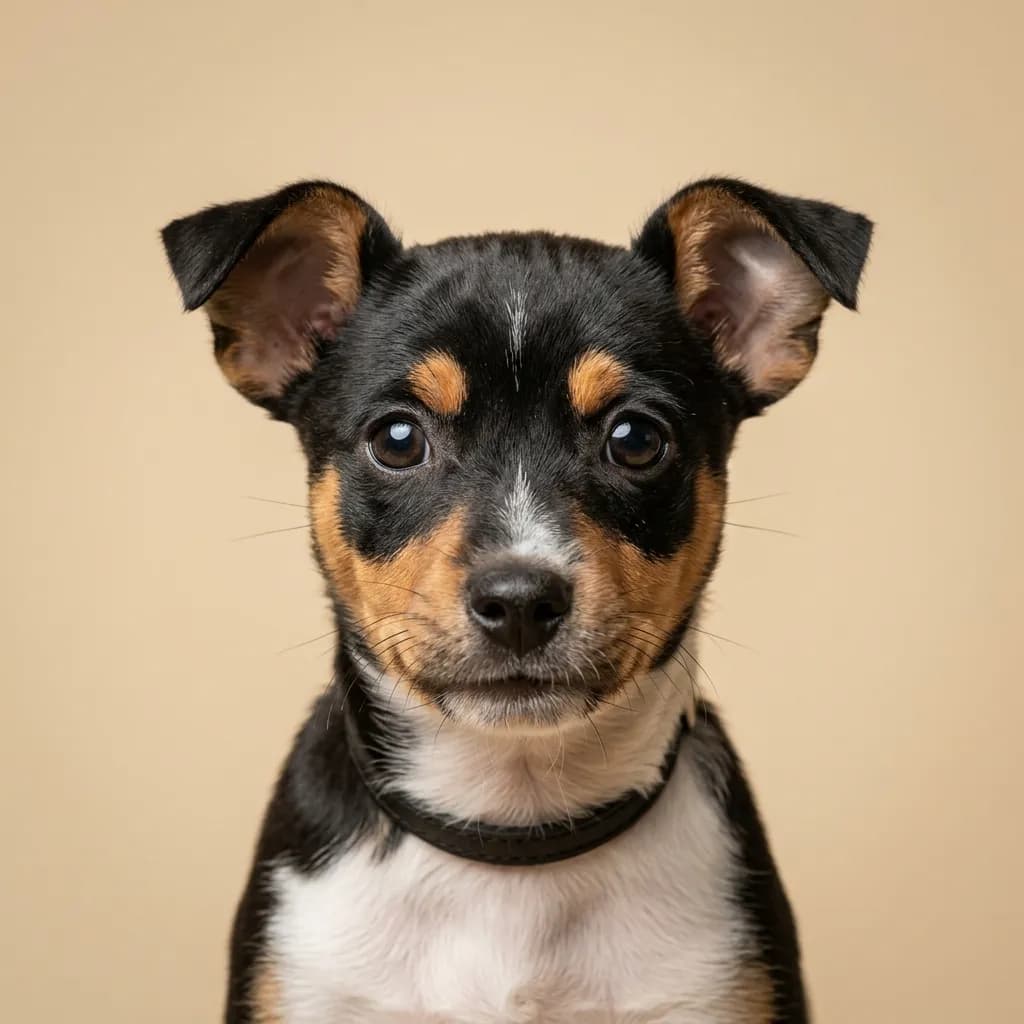
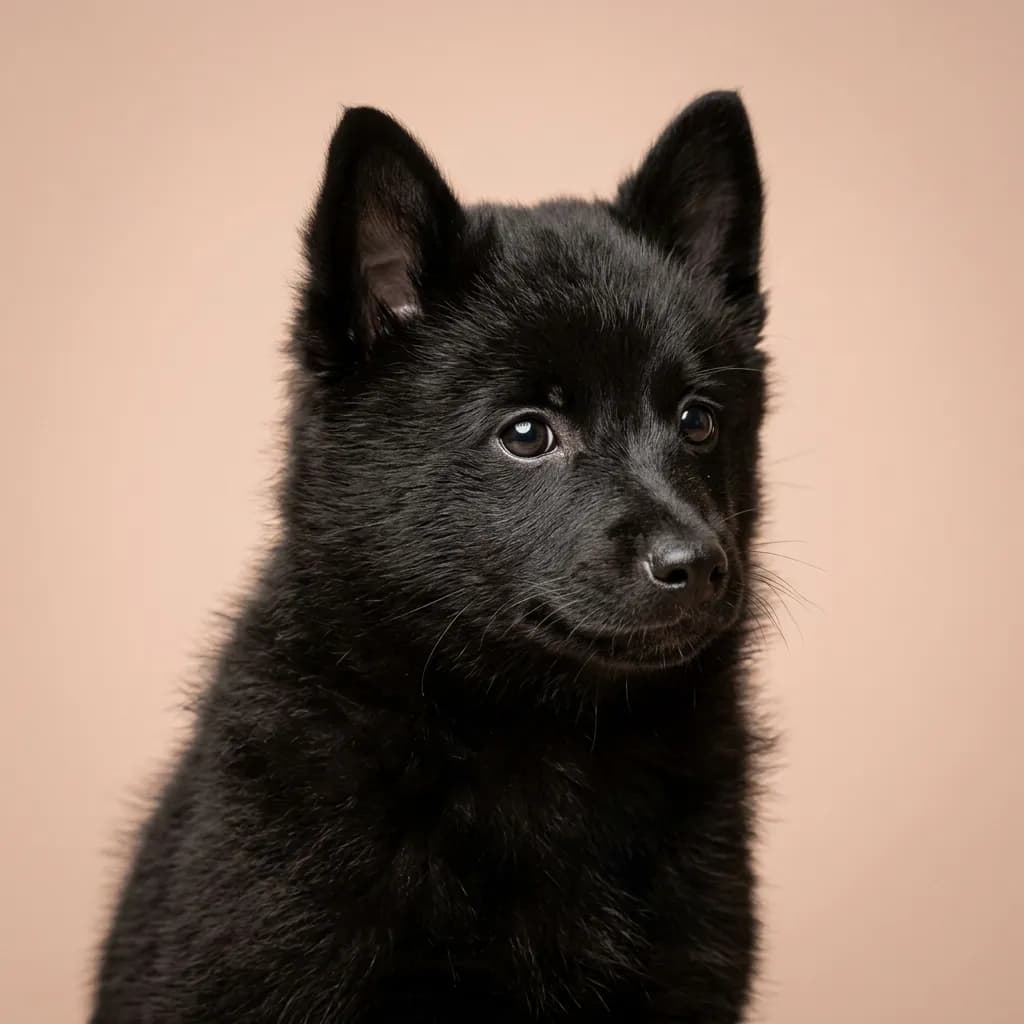
Not sure which breed fits your life?
Answer five questions about your home, your schedule, and your tolerance for shedding. We’ll match you to your top three breeds from over 200.
Rat Terrier vs Schipperke
People compare Rat Terriers and Schipperkes because they’re both small, feisty, and look like they could run a small farm or guard a Belgian barge with equal gusto. At a glance, they seem like interchangeable pocket-sized dynamos. But spend any real time with them, and you’ll see they’re built for different kinds of energy—not just how much they have, but how it’s wired. The Rat Terrier is the clever kid who aces every test and still wants to play soccer after school. They’re bursting with mental curiosity and physical drive, scoring high in trainability and needing serious mental stimulation. They’re goofy, affectionate, and great with kids, making them ideal for active families—even in apartments—so long as you’re home enough to keep them engaged. They were bred to hunt rats on farms, and that focus is still sharp. But that also means they might view your pet hamster as prey. The Schipperke, meanwhile, has a more independent spark. They’re bold, suspicious of strangers, and will bark at a falling leaf. Less eager to please than the Rat Terrier, they still bond fiercely with their people but on their own terms. Think of them as the little black-furred sentinel who never clocks out. They’re better suited to homes with older kids and owners who appreciate a dog with a bit of mystery and edge. Here’s the real talk: Rat Terriers want to be your shadow, your helper, your partner in everything. Schipperkes? They love you deeply—but they’re not your shadow. They’re your bodyguard. If you want a dog that thrives on teamwork, go Rat Terrier. If you want a small dog with a big-dog attitude who’ll keep you on your toes, the Schipperke’s your match.
Trait-by-trait
Higher bar = more of that trait. Shedding, barking, drooling, grooming flipped for readability.Where they diverge
Choose the Rat Terrier if…
- Active families
- First-time dog owners
- Apartment or small home living
- You value good with young children — Rat Terrier scores noticeably higher.
Choose the Schipperke if…
- Active owners
- Those wanting a small but bold breed
- Suburban or rural settings
- You value watchdog / protective — Schipperke scores higher here.