Rhodesian Ridgeback vs Samoyed
Side-by-side comparison across all 14 AKC trait ratings, with a clear verdict on which breed fits which kind of household.

Not sure which breed fits your life?
Answer five questions about your home, your schedule, and your tolerance for shedding. We’ll match you to your top three breeds from over 200.
Rhodesian Ridgeback vs Samoyed
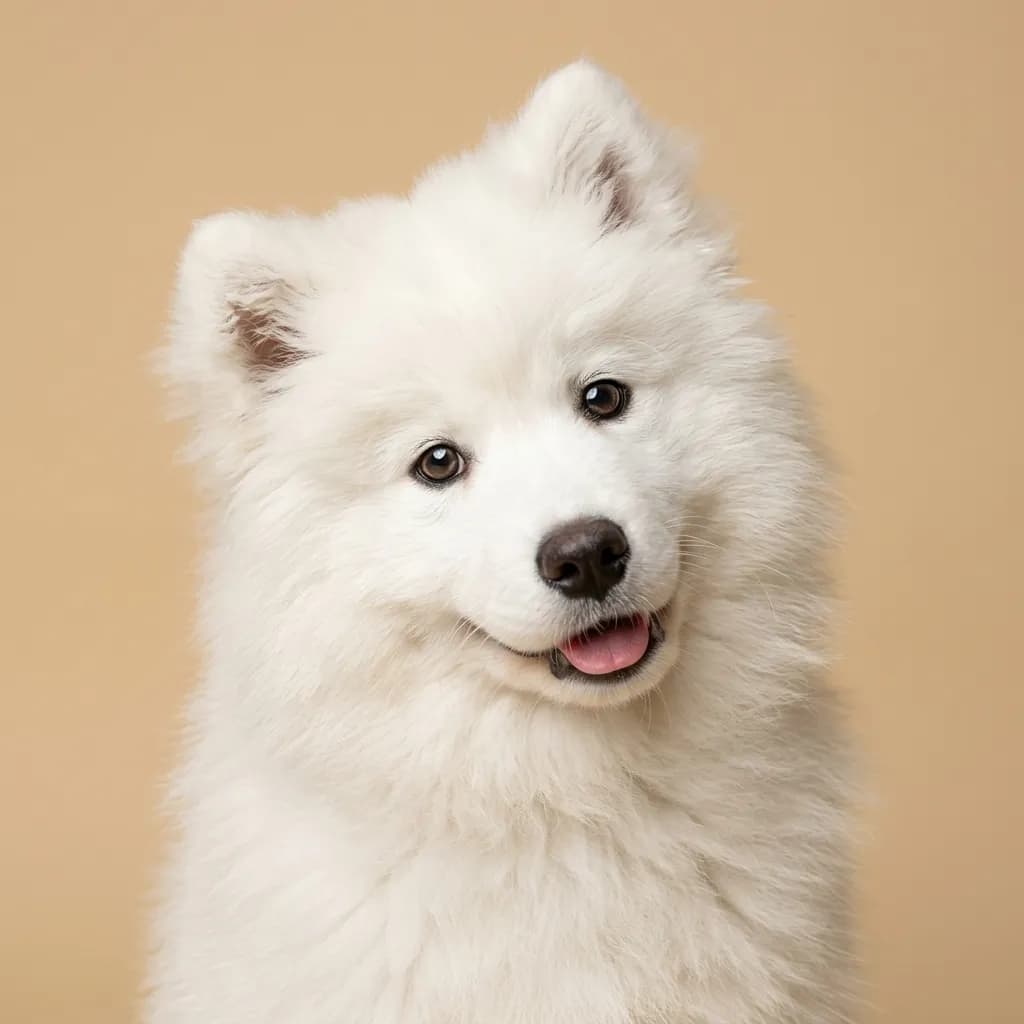
People don’t usually pit a lion-hunting African hound against a fluffy Arctic sled dog, but here we are—probably because both are large, striking, and fiercely loyal. You’re likely comparing a Rhodesian Ridgeback and a Samoyed because you want a dog that’s family-friendly, active, and protective, but the truth is these two arrive at those traits from completely different worlds. The Ridgeback is a lean, muscular athlete built for endurance, not cuddles—though it’ll still lean on you like a warm, dignified tree. It’s quiet, reserved with strangers, and deeply bonded to its people. You’ll need space, time, and a yard with a tall fence. This isn’t a dog to leave alone all day; boredom leads to creative destruction. They’re great with older kids who respect their space and won’t provoke the prey drive that comes from centuries of tracking big game. The Samoyed, in contrast, is a smiling, barking cloud of fluff that thrives on attention and interaction. They’re goofy, social, and will greet the mailman like a long-lost cousin. But that coat? It’s not just high maintenance—it’s a year-round shedding event. And they bark. A lot. If you live in a hot climate or hate brushing, run. Here’s the real talk: the Ridgeback may seem more “serious,” but both need serious commitment to mental stimulation. The Ridgeback needs a job with purpose—like long trail runs or advanced obedience. The Samoyed needs constant engagement just to stay sane; without it, they’ll herd your ankles or bark at shadows. Pick the Ridgeback if you want a calm, watchful companion for adventures. Pick the Samoyed if you want a joyful, social greeter who doubles as a living parka. Just know—the Samoyed’s price tag and grooming demands aren’t gimmicks. That smile comes with a full-time job.
Trait-by-trait
Higher bar = more of that trait. Shedding, barking, drooling, grooming flipped for readability.Where they diverge
Choose the Rhodesian Ridgeback if…
- Active experienced owners
- Running and hiking companions
- Families with older children
- You value drooling level — Rhodesian Ridgeback scores noticeably higher.
Choose the Samoyed if…
- Active families
- Cold climate households
- Dog sports enthusiasts
- You value barking level — Samoyed scores higher here.