Rottweiler vs Schipperke
Side-by-side comparison across all 14 AKC trait ratings, with a clear verdict on which breed fits which kind of household.
Not sure which breed fits your life?
Answer five questions about your home, your schedule, and your tolerance for shedding. We’ll match you to your top three breeds from over 200.
Rottweiler vs Schipperke
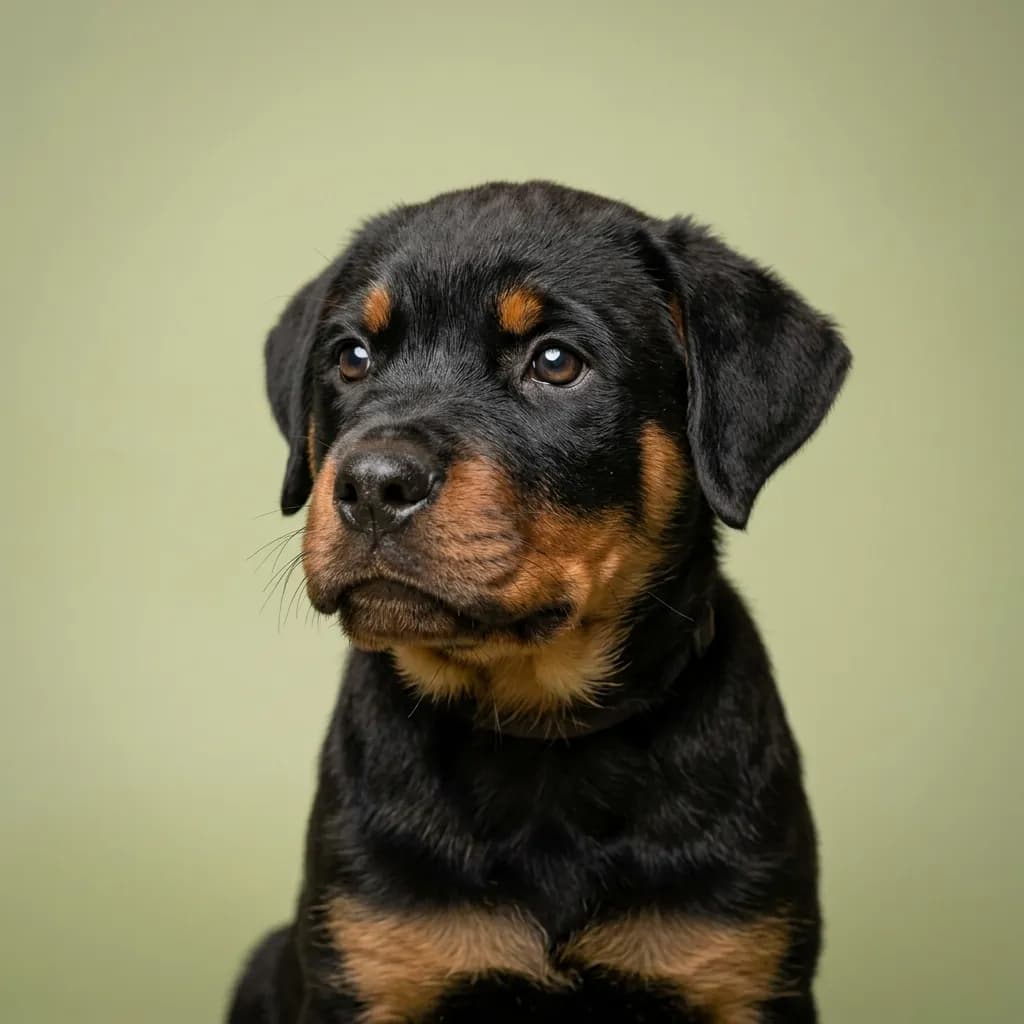
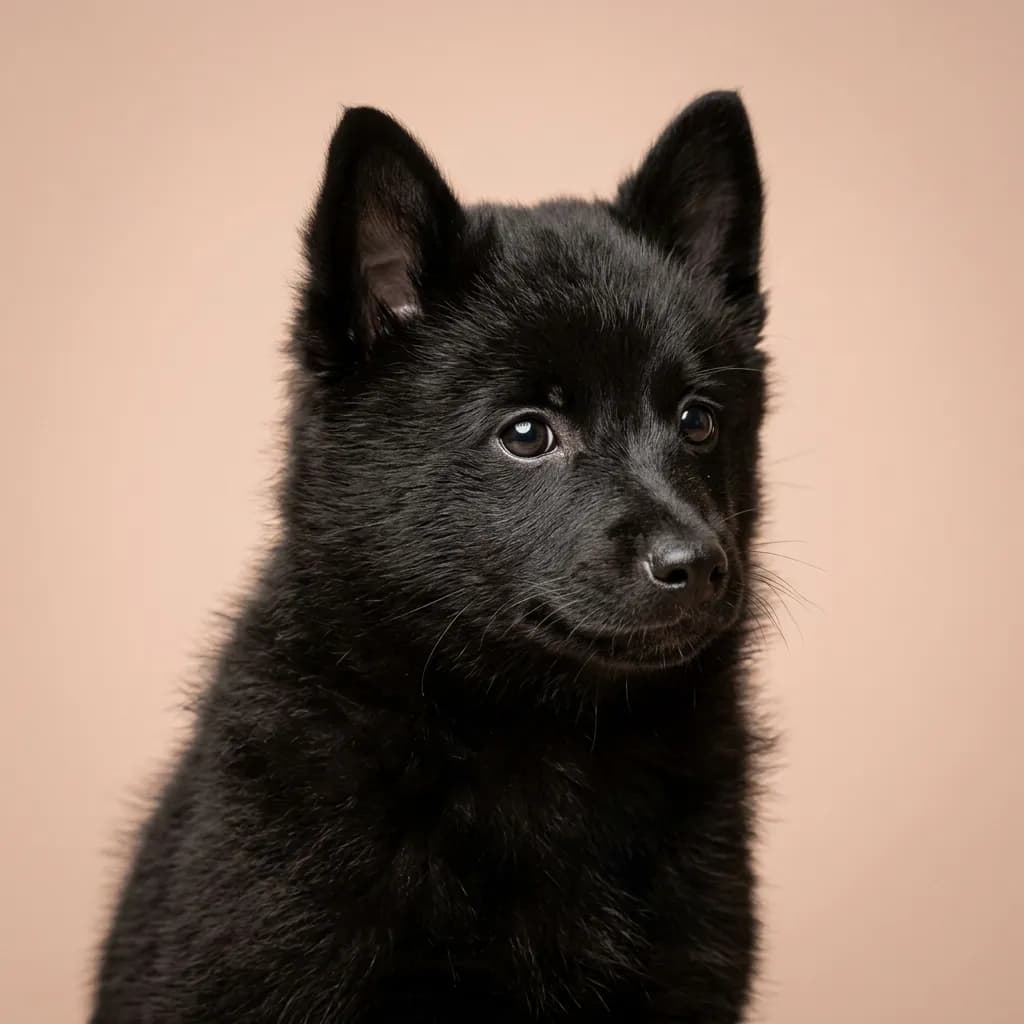
You probably didn’t wake up thinking, “Should I get a Rottweiler or a Schipperke?” But here you are, maybe because both names popped up in your “bold, protective dogs” search—yet they couldn’t be more different. The Rottweiler is the calm fortress. Big, deeply loyal, with a presence that fills a yard—or a neighborhood watch meeting. Bred to move cattle and guard carts, today’s Rottweiler thrives when it has a job, space, and a family that moves with purpose. You’ll need time, training, and a yard. Without it, you’ll get a 100-pound dog with opinions and anxiety. They bond hard, learn fast, and rarely bark without reason. But hip issues and a 9-year lifespan mean you’ll likely face tough vet visits sooner. The Schipperke? Picture a tiny black storm in fur. Once guarding Belgian barges, this dog punches way above its 12-pound weight. It’s bold, inquisitive, and will bark at leaves. They’re energetic but don’t need acres—just a fenced yard and someone home often. Good with older kids who respect their space, but not for quiet apartments or cat owners with delicate feelings. They live longer, 12 to 14 years, but bring rarer genetic risks like MPS IIIB, which you’ll want to screen for. People compare them because both are protective and alert. But the truth is, they serve different lives. Want a devoted partner in a rural home or active suburban family? Rottweiler. Want a fearless little companion in a smaller house with spirit to spare? Schipperke. Here’s what no chart tells you: the Rottweiler’s loyalty is quiet and deep, like a steady hand on your shoulder. The Schipperke’s love is fierce and loud, like a tiny watchdog who thinks it’s ten times its size. Pick based on the kind of courage you want beside you.
Trait-by-trait
Higher bar = more of that trait. Shedding, barking, drooling, grooming flipped for readability.Where they diverge
Choose the Rottweiler if…
- Experienced dog owners
- Active families
- Protection and working dog roles
- You value drooling level — Rottweiler scores noticeably higher.
Choose the Schipperke if…
- Active owners
- Those wanting a small but bold breed
- Suburban or rural settings
- You value barking level — Schipperke scores higher here.