Rottweiler vs Shiba Inu
Side-by-side comparison across all 14 AKC trait ratings, with a clear verdict on which breed fits which kind of household.
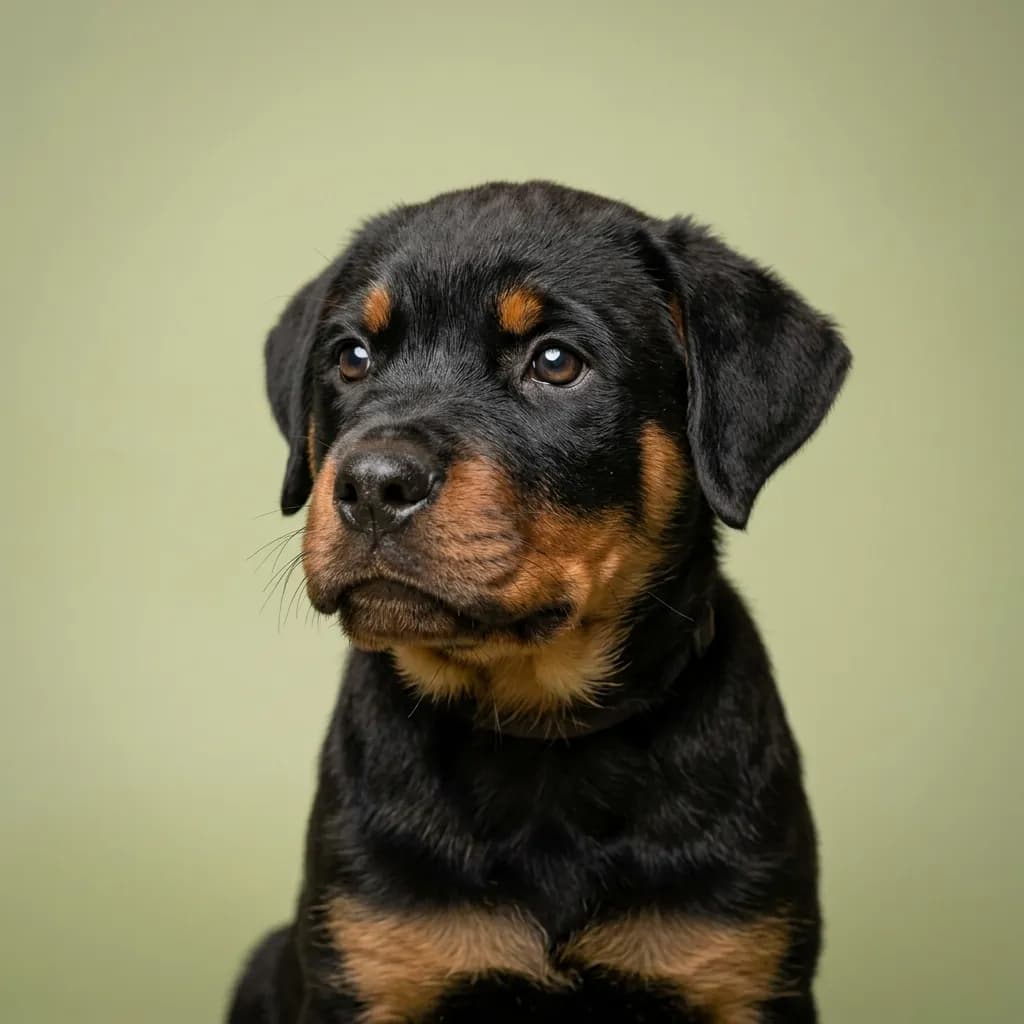
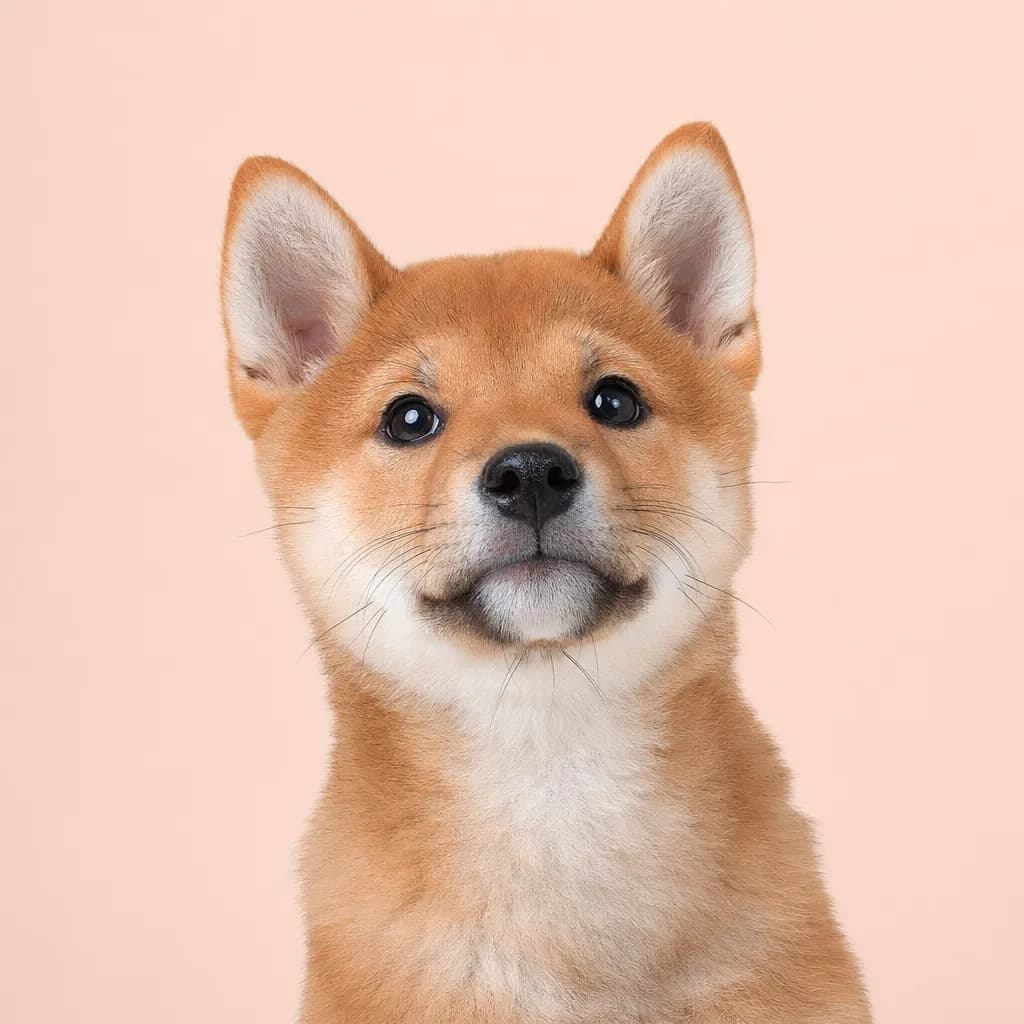
Not sure which breed fits your life?
Answer five questions about your home, your schedule, and your tolerance for shedding. We’ll match you to your top three breeds from over 200.
Rottweiler vs Shiba Inu
People compare Rottweilers and Shiba Inus because both are bold, striking dogs with strong personalities and dramatic looks. But that’s where the similarities end. Think of it like choosing between a loyal bodyguard and a fiercely independent cat who just happens to wear a fox-like coat. One was bred to move cattle and guard property in Germany. The other was built to hunt birds solo in the Japanese mountains. Their core instincts still shape how they live with you today. A Rottweiler is a big presence—physically and emotionally. They’re deeply affectionate with their family, eager to please, and thrive when given structure and purpose. You’ll need time for training, space for their size, and the confidence to lead. They’re not barkers, but they are watchers. Great with kids if raised together, but their sheer mass and protective streak mean they’re not for novice owners or tiny apartments. The Shiba Inu is compact, clean, and cunning. They bond closely but on their terms. You’ll find them following you from room to room—out of interest, not obedience. They’re stubborn, charming, and famously hard to recall off-leash. If you value independence and a dog that keeps you guessing, they’re thrilling. But if you want a dog that reliably follows commands, you’ll be frustrated. Here’s the real insight: Rottweilers surprise people with how soft they are at home—gentle, goofy, even clingy. Shiba Inus, for all their cuteness, have a wildness underneath. They don’t adapt to you—you adapt to them. Choose a Rottweiler if you want a devoted partner in an active life. Choose a Shiba if you’re ready for a lifelong negotiation with a furry little philosopher who occasionally deigns to cuddle.
Trait-by-trait
Higher bar = more of that trait. Shedding, barking, drooling, grooming flipped for readability.Where they diverge
Choose the Rottweiler if…
- Experienced dog owners
- Active families
- Protection and working dog roles
- You value trainability — Rottweiler scores noticeably higher.
Choose the Shiba Inu if…
- Experienced dog owners
- Those wanting a cat-like independence
- Active owners
- You value barking level — Shiba Inu scores higher here.