Rottweiler vs Slovensky Kopov
Side-by-side comparison across all 14 AKC trait ratings, with a clear verdict on which breed fits which kind of household.

Not sure which breed fits your life?
Answer five questions about your home, your schedule, and your tolerance for shedding. We’ll match you to your top three breeds from over 200.
Rottweiler vs Slovensky Kopov
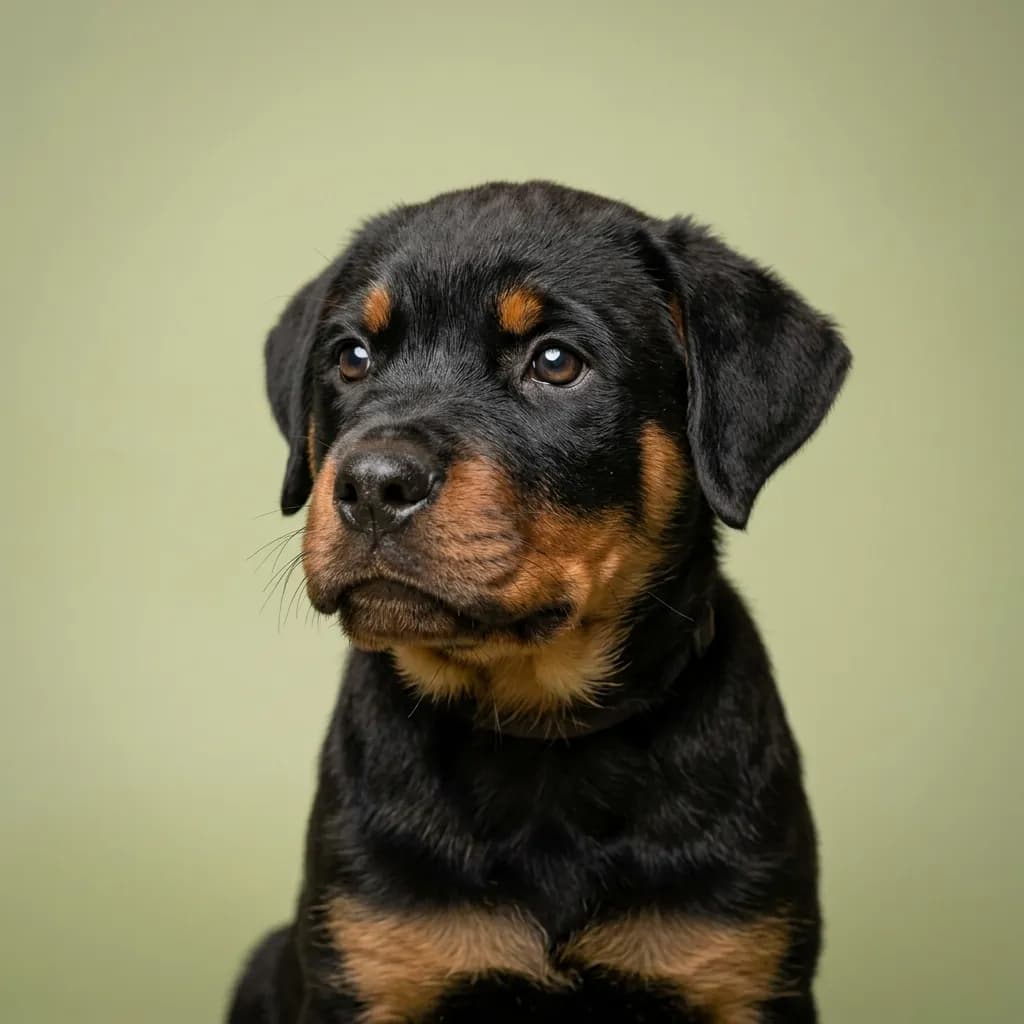
You don’t see people lining up to compare a Rottweiler and a Slovensky Kopov at dog parks—these breeds come from totally different worlds. But if you're deep in the dog research rabbit hole, maybe you’re torn between a powerful protector and a rugged, independent hunter. That’s where this strange pairing makes sense. Both are working dogs with dark coats and serious jobs, but that’s where the similarity ends. The Rottweiler is the confident guardian of the suburbs. At 100+ pounds, it’s a calm-in-the-house, watchful-at-the-gate presence. It bonds tightly, learns fast, and thrives under strong leadership. You’ll need space, time, and consistency—this isn’t a breed that forgives shaky rules. Great with kids if raised together, but their sheer size makes them a poor fit for small homes. They’re also prone to bloat and joint issues, so vet bills can sneak up. The Slovensky Kopov is a different beast entirely. Lighter, leaner, built for tracking boar through Slovakian forests. It’s alert and persistent, with a nose that won’t quit. But that independence means it won’t always look to you for direction. It barks more, bonds less openly, and needs a job—ideally in a rural setting with room to roam. It’s quieter on the affection scale, but if you’re a hunter or love scent work, this dog will impress. Here’s the real talk: Rottweilers want to be part of your life, every minute of it. Kopovs respect you, but they’re not obsessed. If you want a loyal shadow that turns heads and keeps you safe, go Rottweiler. If you want a self-reliant partner for the woods and cold winters, and you know how to handle a hound’s mind, the Kopov’s your dog.
Trait-by-trait
Higher bar = more of that trait. Shedding, barking, drooling, grooming flipped for readability.Where they diverge
Choose the Rottweiler if…
- Experienced dog owners
- Active families
- Protection and working dog roles
- You value affectionate w/ family — Rottweiler scores noticeably higher.
Choose the Slovensky Kopov if…
- hunters
- active rural owners
- experienced scent hound handlers
- You value barking level — Slovensky Kopov scores higher here.