Rottweiler vs Standard Schnauzer
Side-by-side comparison across all 14 AKC trait ratings, with a clear verdict on which breed fits which kind of household.
Not sure which breed fits your life?
Answer five questions about your home, your schedule, and your tolerance for shedding. We’ll match you to your top three breeds from over 200.
Rottweiler vs Standard Schnauzer
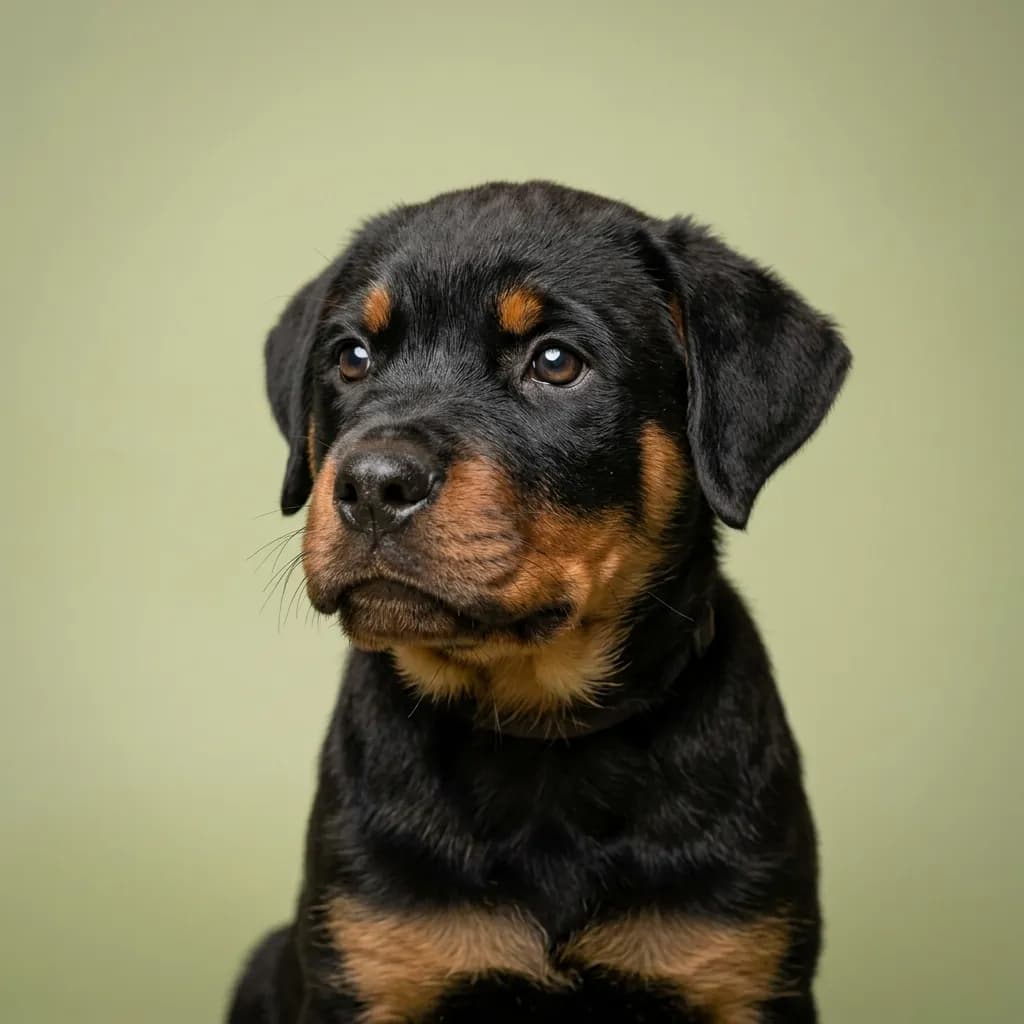
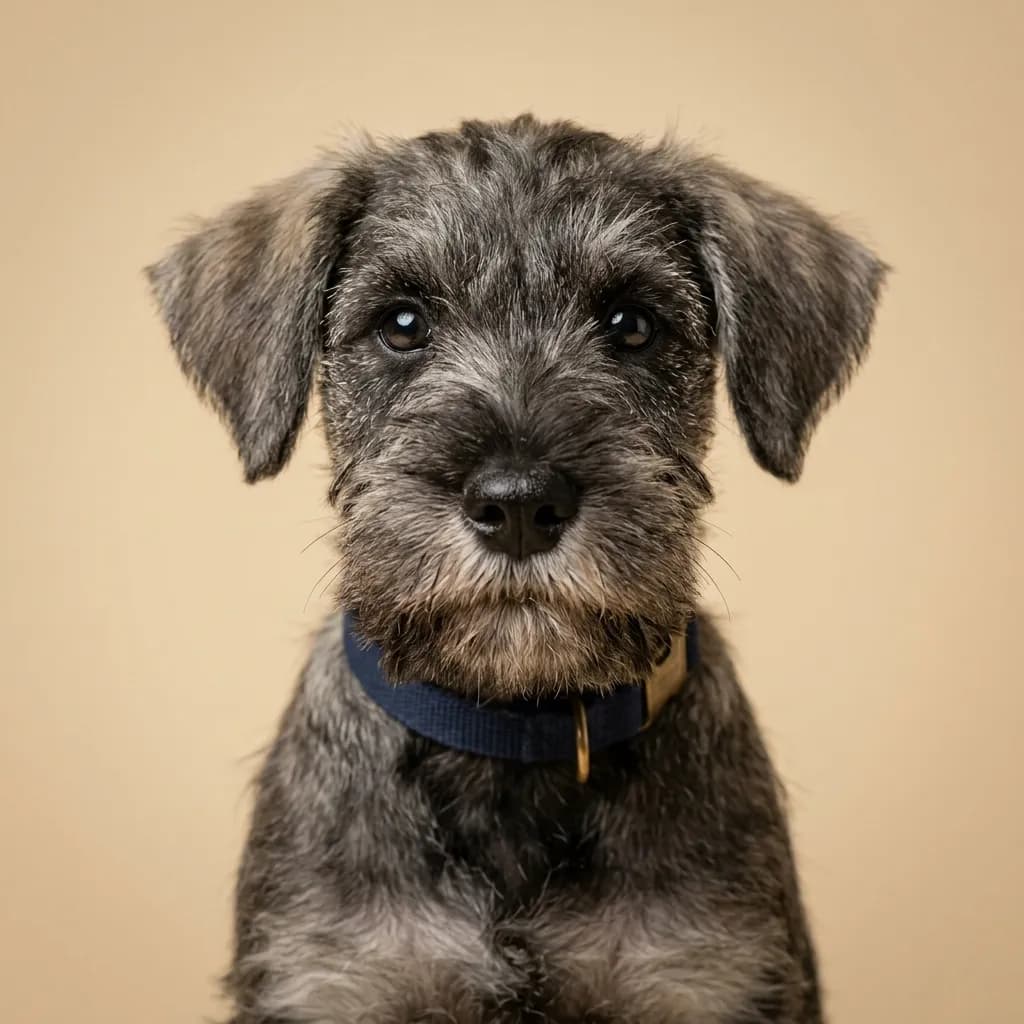
People compare Rottweilers and Standard Schnauzers because they’re both German working dogs with a no-nonsense look and a reputation for loyalty. They’re smart, trainable, and built for purpose. But that’s where the similarities end—and your decision really starts. If you’re picturing a dog that commands space, the Rottweiler is it. At over 100 pounds, this is a dog who will turn heads on a walk and deter intruders just by existing. They’re deeply affectionate with their family, but their quiet confidence isn’t for cuddling on a lap. They need structure, early training, and room to move. Without it, their size and strength can become a liability. They’re not big barkers, but their presence is loud. And while they’re good with kids, their sheer mass makes them better for homes with older children. The Standard Schnauzer, meanwhile, is the witty, compact cousin who’s always up for a challenge. At 30–50 pounds, he fits more easily in a home or car, but don’t mistake his size for softness. He’s fearless, alert, and will absolutely bark at the mail carrier. He’s more adaptable to different families and tends to live longer—13 to 16 years is a gift. He’s also better with younger kids and doesn’t carry the same baggage of public perception that Rotties often face. Here’s the real insight: the Rottweiler isn’t a project dog. He thrives under confident ownership. The Standard Schnauzer? He’s a thinker. He’ll outsmart you if you’re not mentally engaged. Both need serious mental stimulation. But if you want a dog that’s easier to manage in everyday life without sacrificing intelligence or spirit, the Schnauzer’s versatility might surprise you. Choose the Rottweiler for presence and power. Choose the Schnauzer for wit and longevity.
Trait-by-trait
Higher bar = more of that trait. Shedding, barking, drooling, grooming flipped for readability.Where they diverge
Choose the Rottweiler if…
- Experienced dog owners
- Active families
- Protection and working dog roles
- You value shedding level — Rottweiler scores noticeably higher.
Choose the Standard Schnauzer if…
- Active owners
- Experienced dog owners
- Dog sports enthusiasts
- You value good with young children — Standard Schnauzer scores higher here.