Russell Terrier vs Schipperke
Side-by-side comparison across all 14 AKC trait ratings, with a clear verdict on which breed fits which kind of household.
Not sure which breed fits your life?
Answer five questions about your home, your schedule, and your tolerance for shedding. We’ll match you to your top three breeds from over 200.
Russell Terrier vs Schipperke
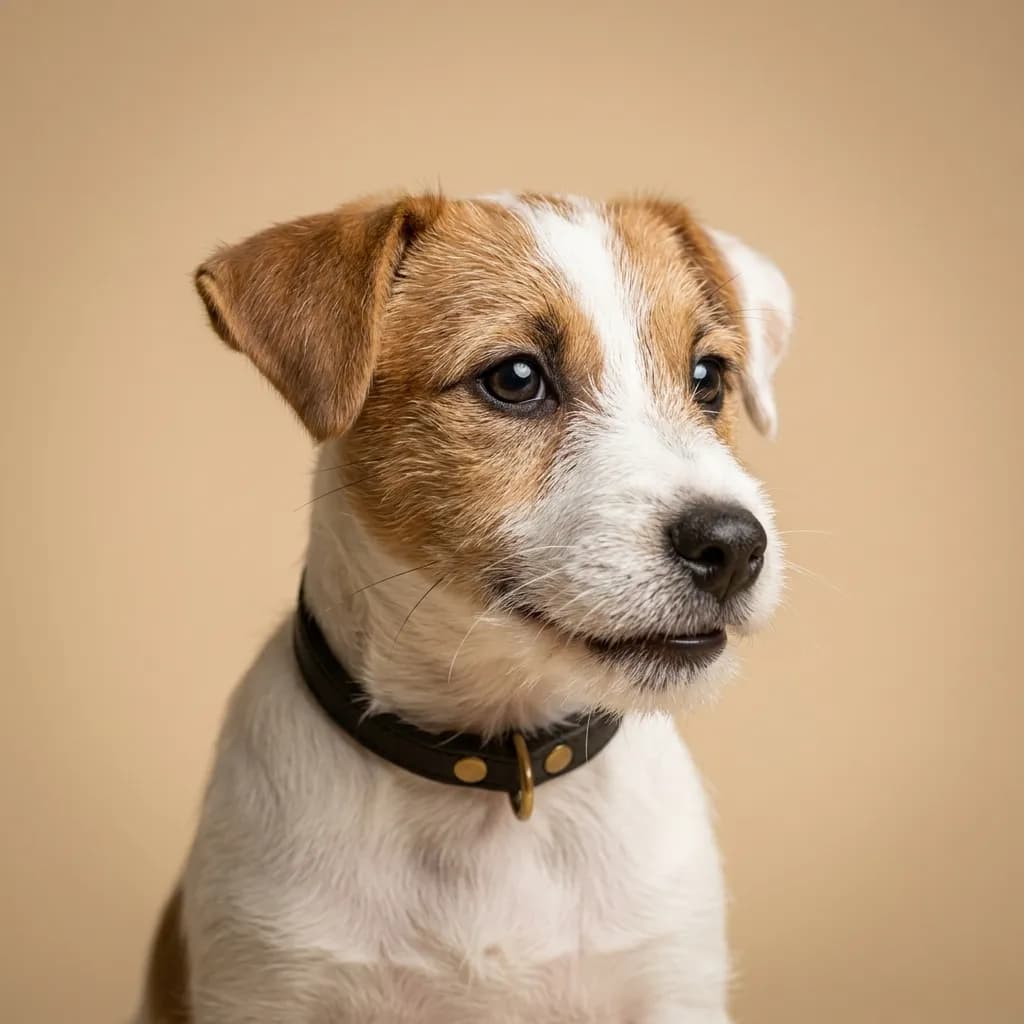
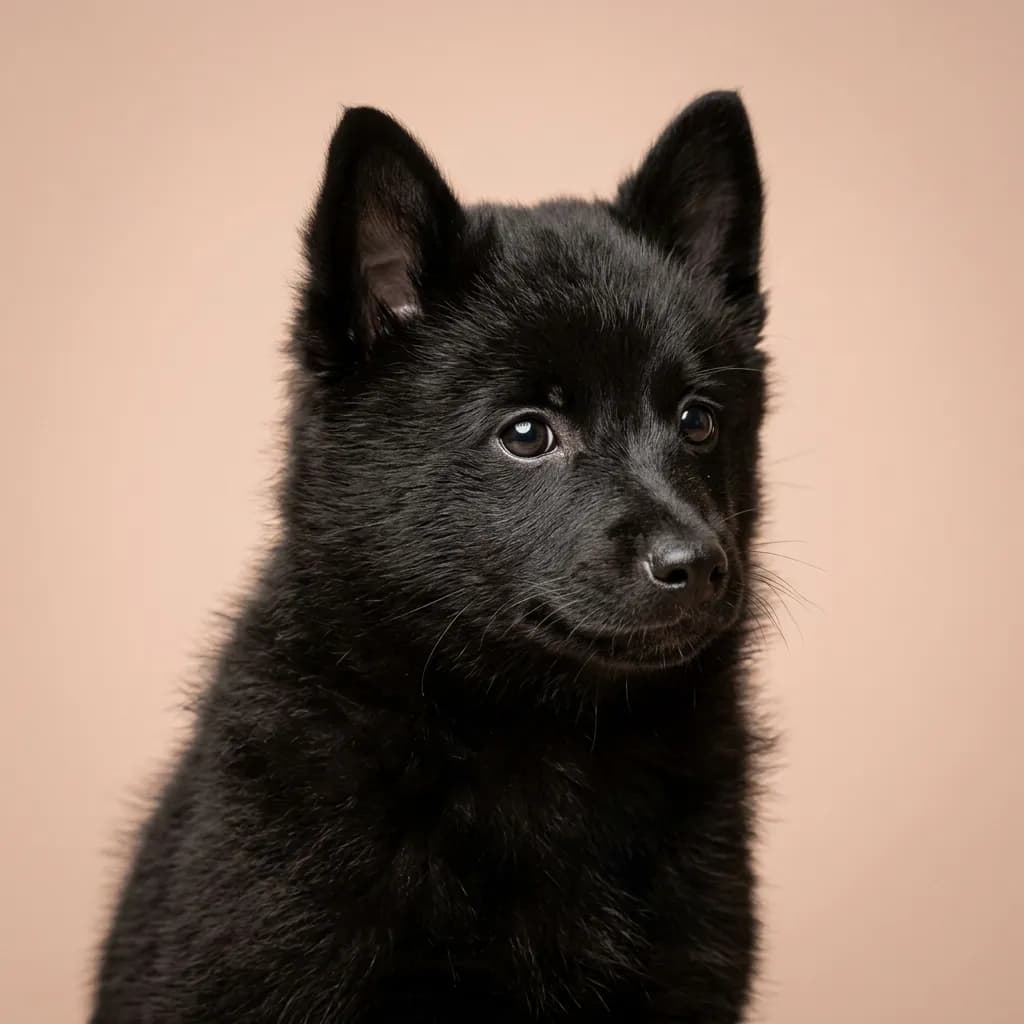
People compare Russell Terriers and Schipperkes because they’re both small, feisty, and pack a big-dog attitude in a compact frame. At first glance, they seem like two peas in a pod—around 10 to 16 pounds, alert, bold, and not shy about barking at squirrels or strangers. But if you’re trying to decide which one fits your life, the real difference lies in what drives them. The Russell Terrier is pure engine. Bred to bolt after foxes in tight underground tunnels, this dog lives to work, dig, and solve problems—preferably at full speed. You’ll need time for off-leash running, puzzle toys, and dog sports like agility. They’re affectionate, yes, but their love language is action. If you’re into hiking, barn hunt, or just have a big yard they can patrol, they’ll thrive. But if you’re hoping for a calm cuddler, this isn’t it. And good luck calling them back once they’re on a scent. The Schipperke, meanwhile, is more of a watchman than a hunter. With their fox-like face and lion’s mane, they’re bold and curious but not wired like a coiled spring. They’ll alert you to the mailman with gusto, but they’re less obsessed with chasing and more interested in being near you—on their terms. They’re slightly easier to train and tend to be a bit more reserved with strangers, making them excellent little guardians. Here’s the insight no one talks about: the Russell Terrier doesn’t just want to play. It needs mental chaos to stay sane. The Schipperke? It wants to supervise your life. Pick the terrier if you want a partner in adventure. Pick the Schipperke if you want a tiny, opinionated shadow who’s always checking in.
Trait-by-trait
Higher bar = more of that trait. Shedding, barking, drooling, grooming flipped for readability.Where they diverge
Choose the Russell Terrier if…
- Active owners
- Dog sports enthusiasts
- Families with older children
- You value good with other dogs — Russell Terrier scores noticeably higher.
Choose the Schipperke if…
- Active owners
- Those wanting a small but bold breed
- Suburban or rural settings
- You value watchdog / protective — Schipperke scores higher here.