Russell Terrier vs Shiba Inu
Side-by-side comparison across all 14 AKC trait ratings, with a clear verdict on which breed fits which kind of household.
Not sure which breed fits your life?
Answer five questions about your home, your schedule, and your tolerance for shedding. We’ll match you to your top three breeds from over 200.
Russell Terrier vs Shiba Inu
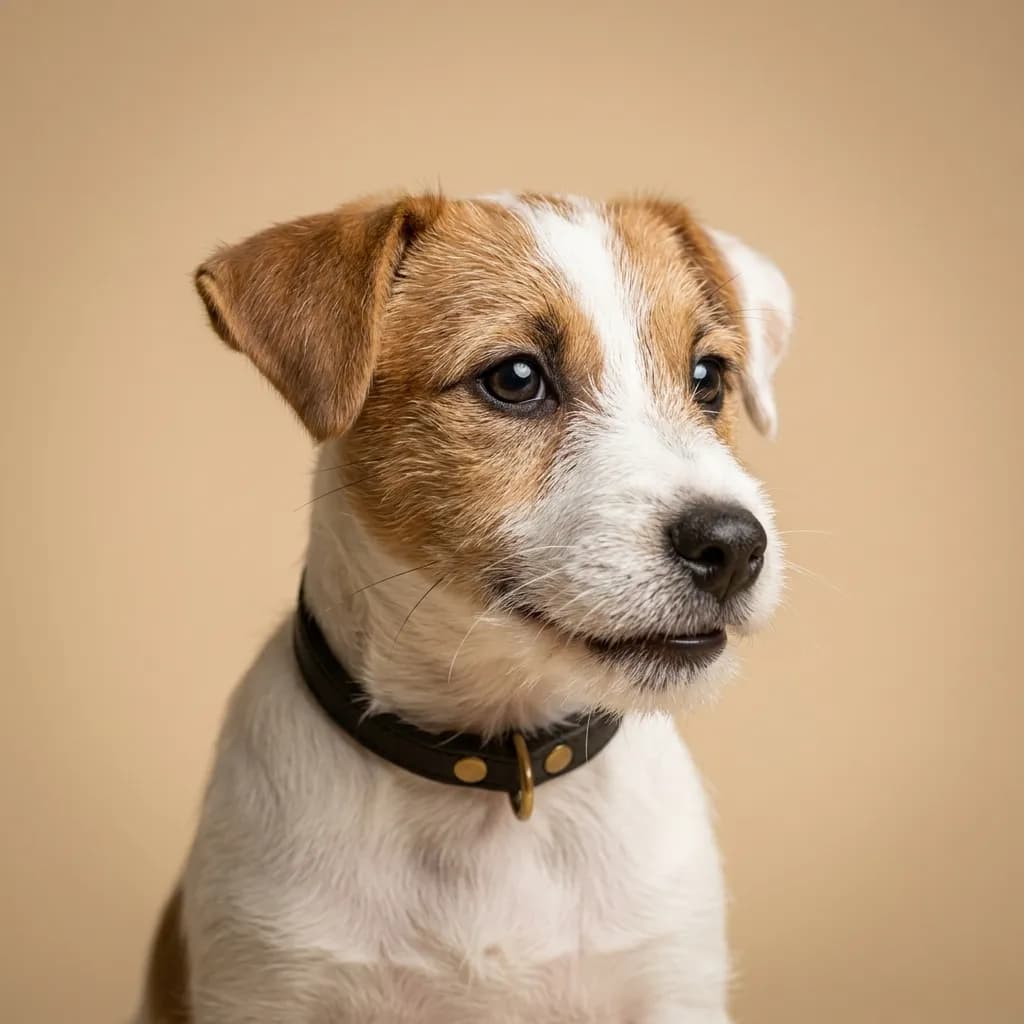
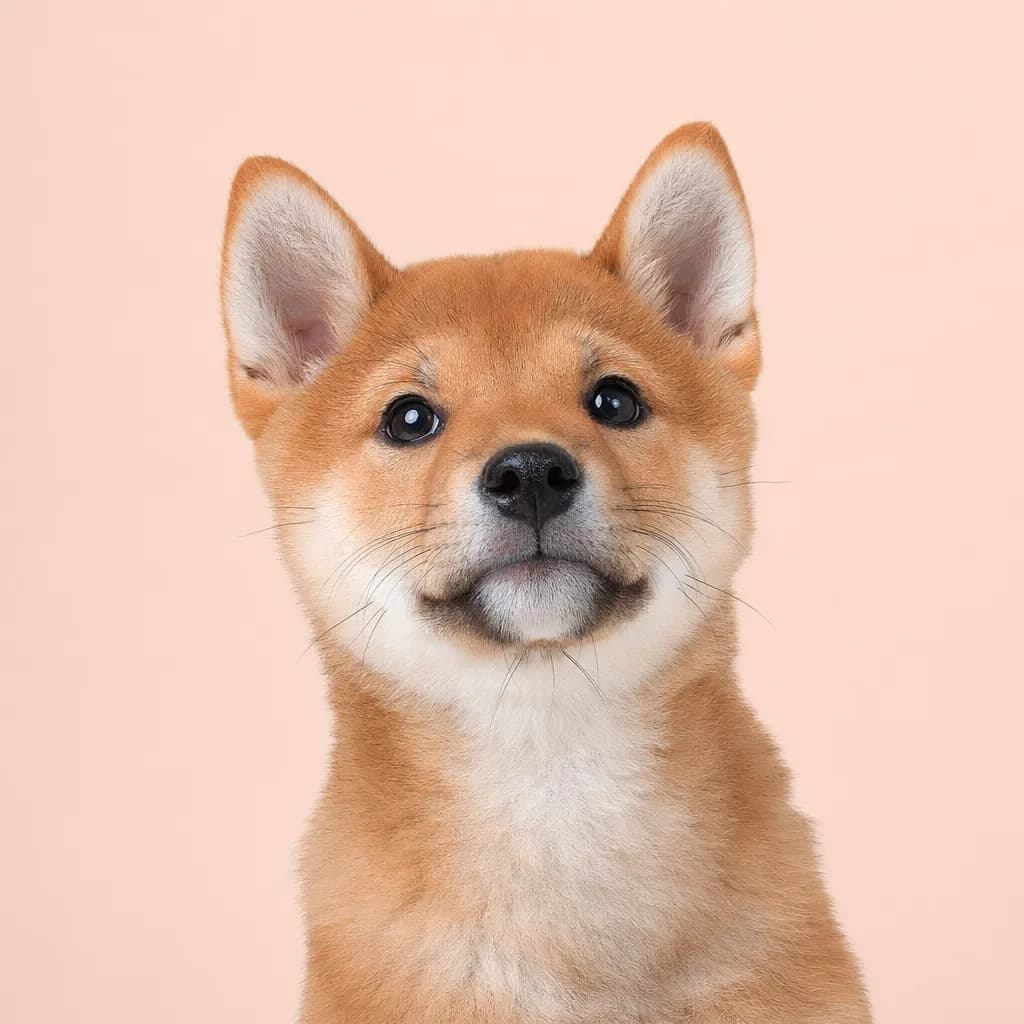
People compare Russell Terriers and Shiba Inus because they’re both small, fox-faced, and bursting with personality. At a glance, they might seem like interchangeable pocket rockets, but spend five minutes with either and you’ll realize they’re built from entirely different blueprints. The Russell Terrier is a tornado in fur form. At just 10 to 15 pounds, this dog was bred to dive into fox dens and bark like crazy until the hunters figured out where the prey was. That means endless energy, a voice like a car alarm, and a brain that needs a job—every single day. If you don’t give a Russell a puzzle, a sport, or a digging box, it’ll design its own chaos. They’re affectionate and love their people fiercely, but they’re not independent. They’re obsessed. And they’ll follow you into the shower if they could. The Shiba Inu, by contrast, is more like a cat who occasionally tolerates your affection. Slightly larger at 17 to 23 pounds, the Shiba is clean, quiet, and intensely self-aware. They’re not barking for fun or chasing squirrels out of pure spite—they’re calculating. Shibas bond deeply but on their terms. You don’t own a Shiba. You coexist. The real difference? Control. A Russell is a project with a motor. A Shiba is a dignified escape artist with opinions. First-time owners will drown with either, but for different reasons. With a Russell, it’s the energy. With a Shiba, it’s the stubbornness. Here’s the truth beyond the data: both breeds will outsmart you. But the Russell will do it with a wagging tail and a stolen sock. The Shiba will do it while sitting just outside your fence, looking back at you like you’re the one who failed.
Trait-by-trait
Higher bar = more of that trait. Shedding, barking, drooling, grooming flipped for readability.Where they diverge
Choose the Russell Terrier if…
- Active owners
- Dog sports enthusiasts
- Families with older children
- You value good with other dogs — Russell Terrier scores noticeably higher.
Choose the Shiba Inu if…
- Experienced dog owners
- Those wanting a cat-like independence
- Active owners
- You value watchdog / protective — Shiba Inu scores higher here.