Russell Terrier vs Spinone Italiano
Side-by-side comparison across all 14 AKC trait ratings, with a clear verdict on which breed fits which kind of household.

Not sure which breed fits your life?
Answer five questions about your home, your schedule, and your tolerance for shedding. We’ll match you to your top three breeds from over 200.
Russell Terrier vs Spinone Italiano
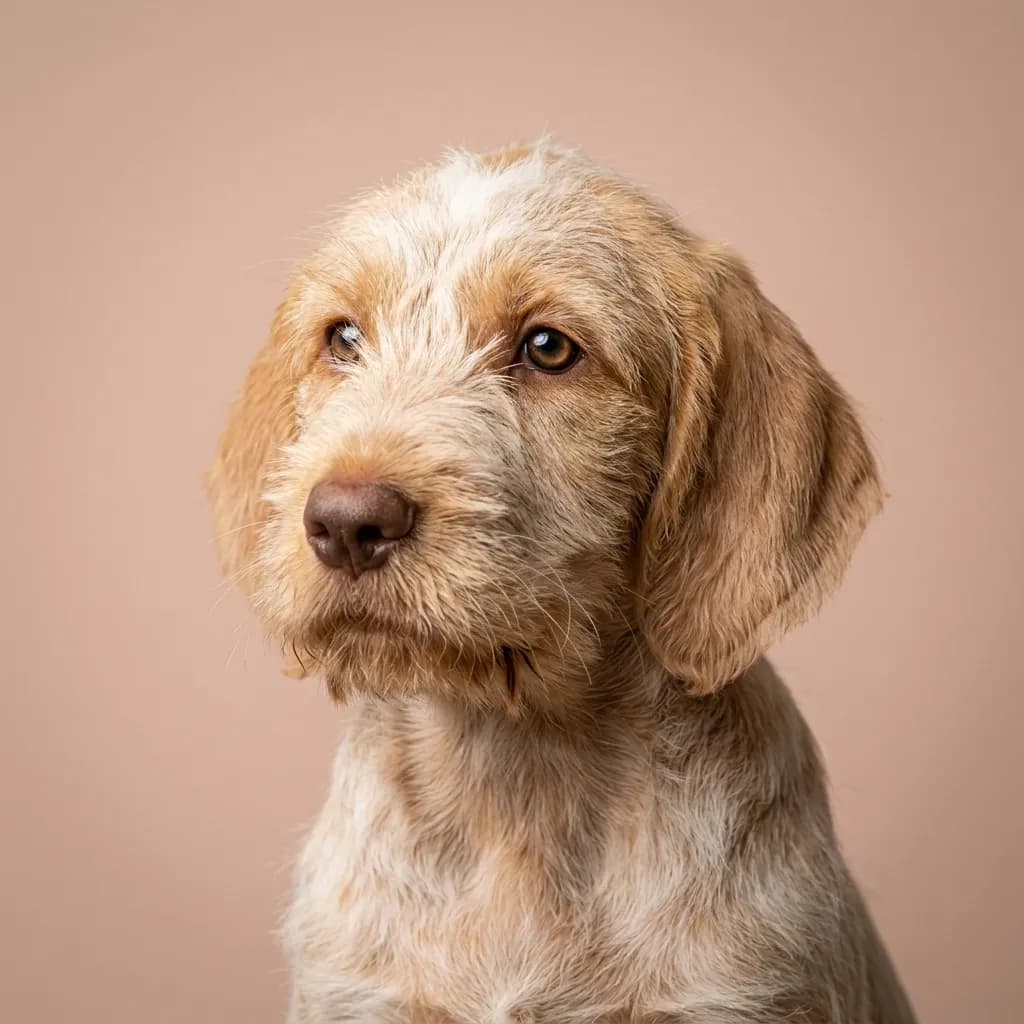
You wouldn’t expect people to compare a 12-pound firecracker of a terrier and a 75-pound floppy-eared Italian hunting dog. But they do—because both are energetic, both bond fiercely, and both come with that “I’m going to do what I want” streak that makes them feel like equals, not pets. The real difference? One will empty your sanity and the other will empty your water bowl. Russell Terriers are like tiny, furry tornadoes with opinions. They were bred to go underground after foxes, which means they’re bold, relentless, and not big on listening once they catch a scent. You want mental stimulation and dog sports? They’ll thrive. But if you’re not leading the walk—literally and figuratively—they’ll take over. And forget about off-leash freedom unless you’ve got a rock-solid recall; most never fully master it. They’re affectionate as all get-out, but their energy and bark can overwhelm young kids. Spinone Italianos are the gentle giants you didn’t know you needed. Bred to range for hours in the Italian hills, they’re calm, patient, and deeply loyal. They’re not hyper, but they need real exercise—long hikes, space to roam. Cramped apartments? You’ll regret it. And yes, they drool. After every drink, every meal, every excited moment. But their temperament with kids is rock solid, and they’re eager to please in a quiet, steady way. Here’s the truth beyond the data: the Russell will challenge you daily. The Spinone will surprise you with how deeply they feel your mood. Pick the Russell if you want a spirited partner in adventure. Pick the Spinone if you want a soulful companion who just happens to be built for the wilderness.
Trait-by-trait
Higher bar = more of that trait. Shedding, barking, drooling, grooming flipped for readability.Where they diverge
Choose the Russell Terrier if…
- Active owners
- Dog sports enthusiasts
- Families with older children
- You value good with strangers — Russell Terrier scores noticeably higher.
Choose the Spinone Italiano if…
- Active hunting families
- Those wanting a gentle, patient breed
- Families with children
- You value drooling level — Spinone Italiano scores higher here.