Russian Toy vs Saluki
Side-by-side comparison across all 14 AKC trait ratings, with a clear verdict on which breed fits which kind of household.

Not sure which breed fits your life?
Answer five questions about your home, your schedule, and your tolerance for shedding. We’ll match you to your top three breeds from over 200.
Russian Toy vs Saluki
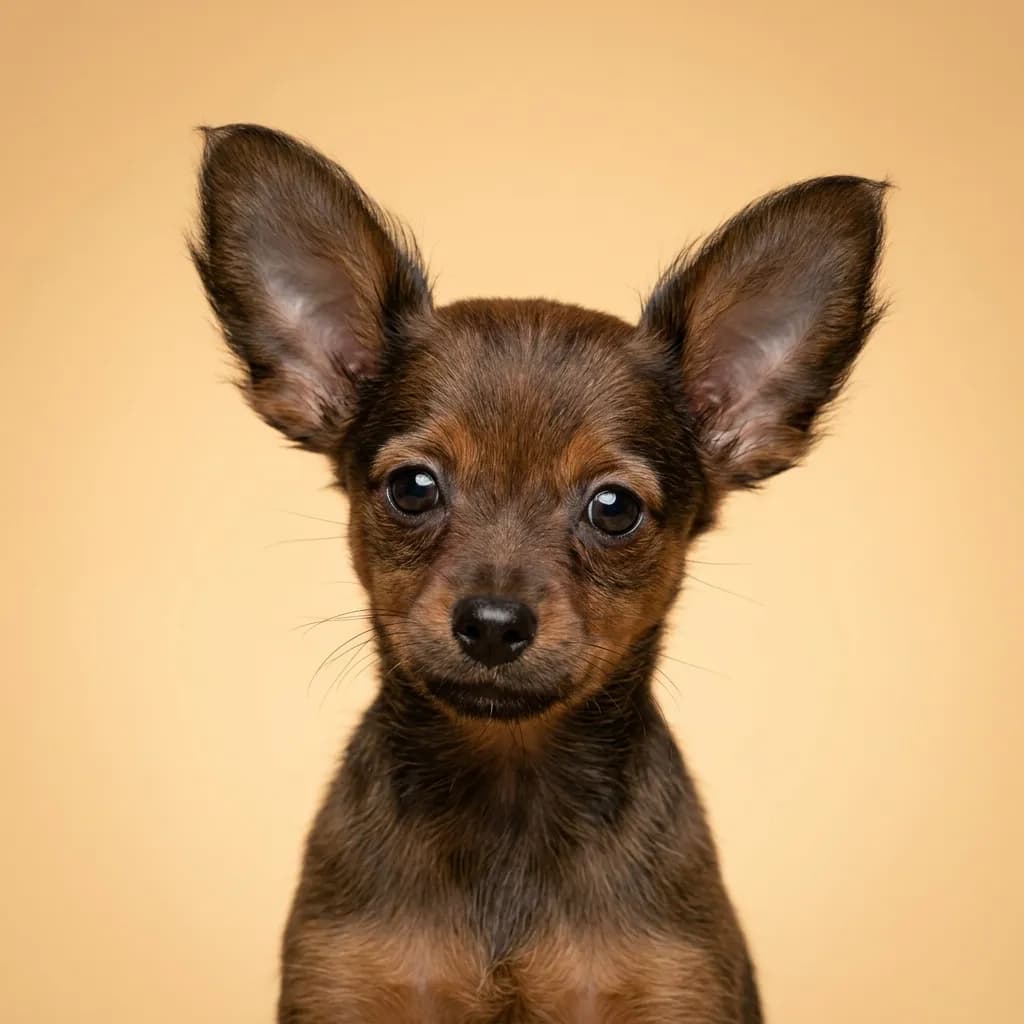
You probably wouldn’t expect someone to compare a Russian Toy and a Saluki at first glance. One’s a pocket-sized charmer from Tsarist Russia, the other a desert-born aristocrat built like a feathered greyhound. But people do compare them—because both carry an air of old-world elegance and deep devotion, wrapped in surprisingly fragile frames. They’re not rugged mutts from the farm. These are dogs with history, almost like living heirlooms. But that’s where the similarities end. The Russian Toy lives for you. It’s a 5-pound whirlwind of affection that’ll follow you from room to room, bark at the toaster, and melt into your lap during movies. It’s smart and eager to please, thriving in apartments and with seniors who want constant companionship. But it’s not tough. A fall down the stairs or rough play with a toddler can go badly. And yes, you’ll hear it—this little dog has opinions. The Saluki, in contrast, is like a graceful guest in your home. It might curl up beside you at night, but it won’t hover. Bred to spot prey miles away and sprint after it, it needs space to stretch its legs—ideally a secure yard, because off-leash freedom can end in tragedy. It’s quiet, low-shedding, and dignified, but not especially eager to learn tricks. Training is a negotiation, not a command. Here’s the real difference: the Russian Toy wants to be part of your every breath. The Saluki wants to share your space—but on its own terms. If you want a dog that lives and dies by your presence, go Russian Toy. If you admire independence and quiet majesty, and can give time and space, the Saluki will steal your heart slowly, like a desert sunrise.
Trait-by-trait
Higher bar = more of that trait. Shedding, barking, drooling, grooming flipped for readability.Where they diverge
Choose the Russian Toy if…
- Apartment living
- Seniors
- Owners wanting a devoted companion
- You value watchdog / protective — Russian Toy scores noticeably higher.
Choose the Saluki if…
- Active owners with running space
- Experienced sighthound owners
- Those wanting an elegant, quiet breed
- You value mental stimulation needs — Saluki scores higher here.