Russian Toy vs Spanish Water Dog
Side-by-side comparison across all 14 AKC trait ratings, with a clear verdict on which breed fits which kind of household.

Not sure which breed fits your life?
Answer five questions about your home, your schedule, and your tolerance for shedding. We’ll match you to your top three breeds from over 200.
Russian Toy vs Spanish Water Dog
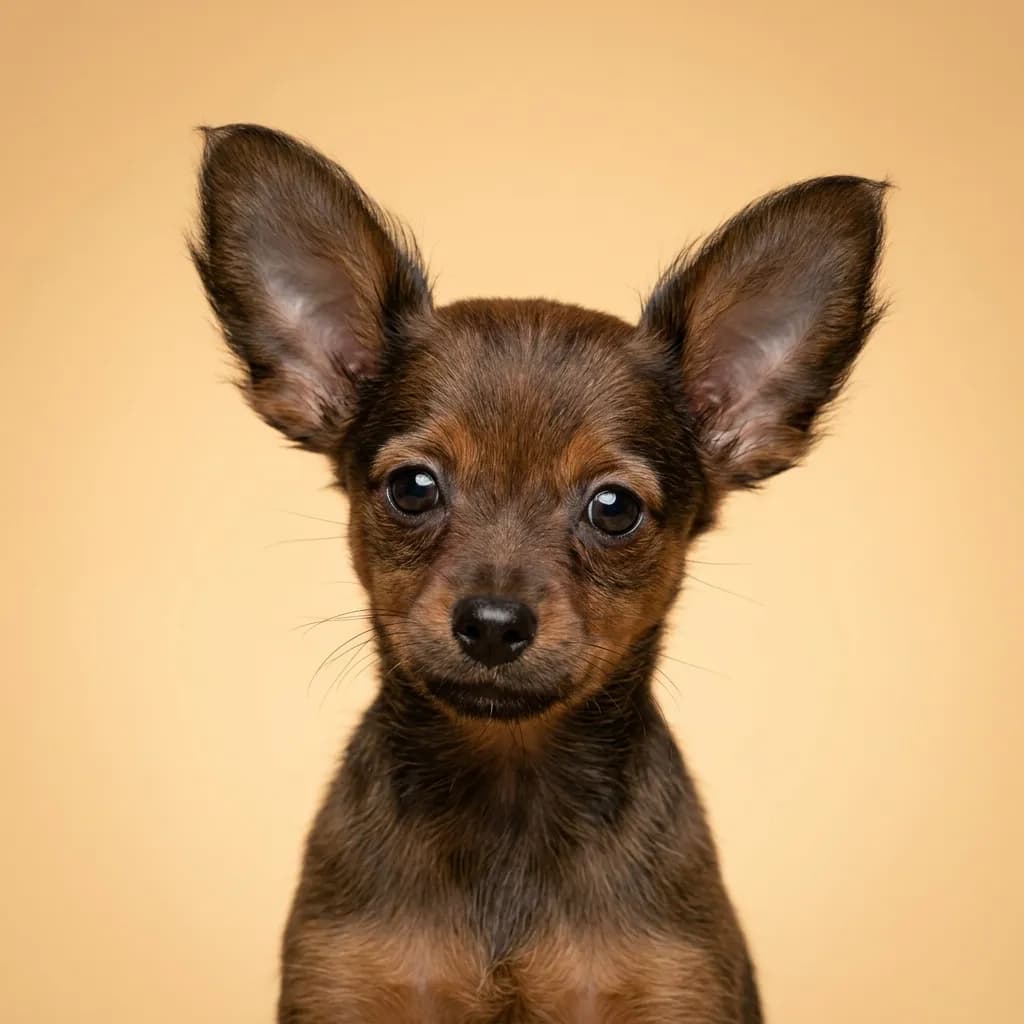
People compare the Russian Toy and Spanish Water Dog because they’re both rare, deeply loyal, and have that “one-person dog” intensity. But that’s where the similarities end. Think of it like choosing between a pocket-sized opera singer and a scrappy, all-terrain athlete—same devotion, wildly different lifestyles. The Russian Toy is a tiny, elegant companion built for perching on your lap or darting around a sunlit apartment. At 3 to 6.5 pounds, it’s more delicate than a Chihuahua, with a big-dog personality in a fragile frame. It thrives on closeness. Leave it alone too long and it’ll vocalize—those 4/5 barking tendencies aren’t just noise, they’re protest. It’s smart and affectionate but doesn’t need complex jobs, just your attention. Great for seniors or city dwellers, but keep toddlers at bay—this dog can break if dropped or stepped on. The Spanish Water Dog, meanwhile, weighs ten times more and lives to work. It’s a herding, swimming, problem-solving machine with natural corded coat and 5/5 mental stimulation needs. It’s not just active—it craves purpose. This dog will learn 50 commands, join you on trail runs, and still want more. It’s gentle with kids and sheds almost nothing, making it a solid pick for active families or allergy sufferers. But don’t expect it to nap all day. Without jobs or training, it’ll invent its own—usually involving your shoes or the neighbor’s cat. Here’s the real insight: loyalty looks different in each. The Russian Toy bonds by shadowing you silently, a quiet sentinel. The Spanish Water Dog shows love by doing—fetching, guarding, working. Choose based on whether you want a living jewel or a canine co-pilot.
Trait-by-trait
Higher bar = more of that trait. Shedding, barking, drooling, grooming flipped for readability.Where they diverge
Choose the Russian Toy if…
- Apartment living
- Seniors
- Owners wanting a devoted companion
- You value shedding level — Russian Toy scores noticeably higher.
Choose the Spanish Water Dog if…
- Active owners
- Allergy sufferers
- Dog sports enthusiasts
- You value coat grooming — Spanish Water Dog scores higher here.