Russian Toy vs Tibetan Terrier
Side-by-side comparison across all 14 AKC trait ratings, with a clear verdict on which breed fits which kind of household.
Not sure which breed fits your life?
Answer five questions about your home, your schedule, and your tolerance for shedding. We’ll match you to your top three breeds from over 200.
Russian Toy vs Tibetan Terrier
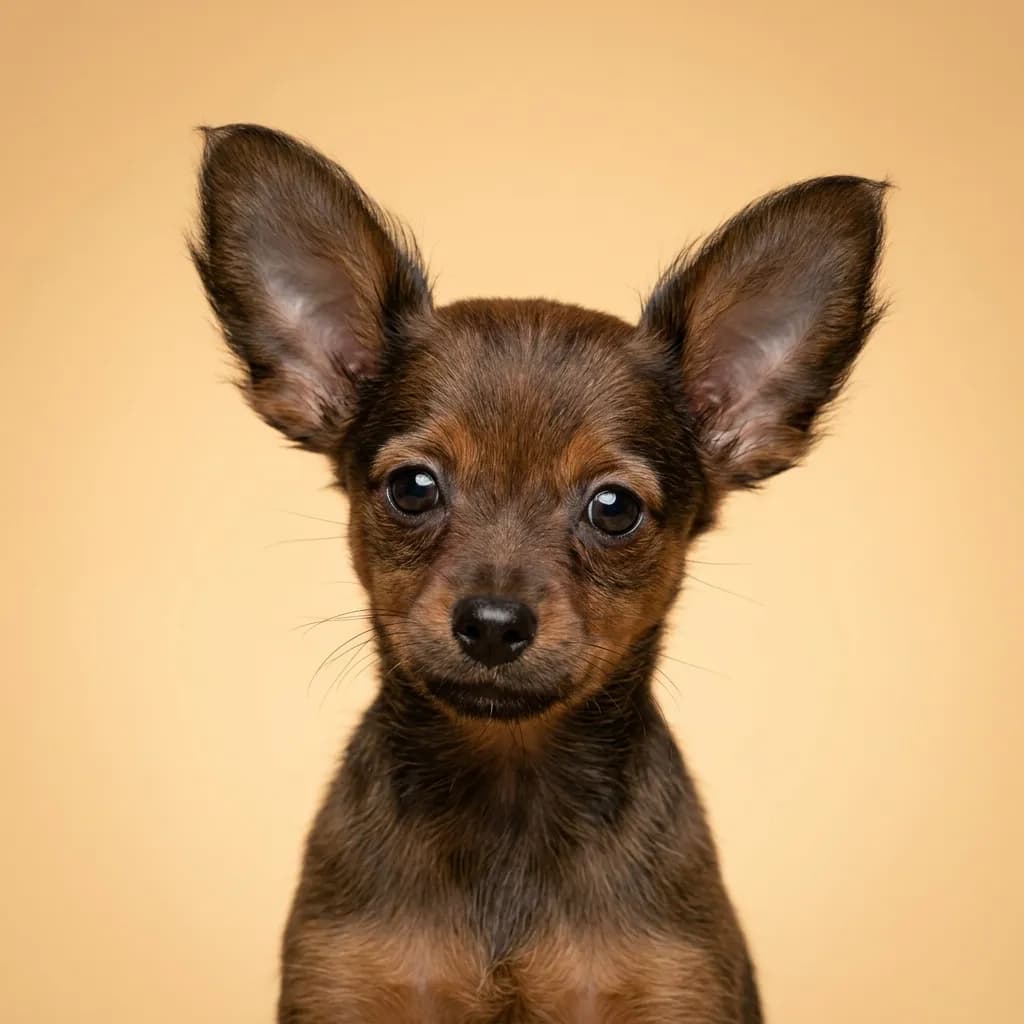
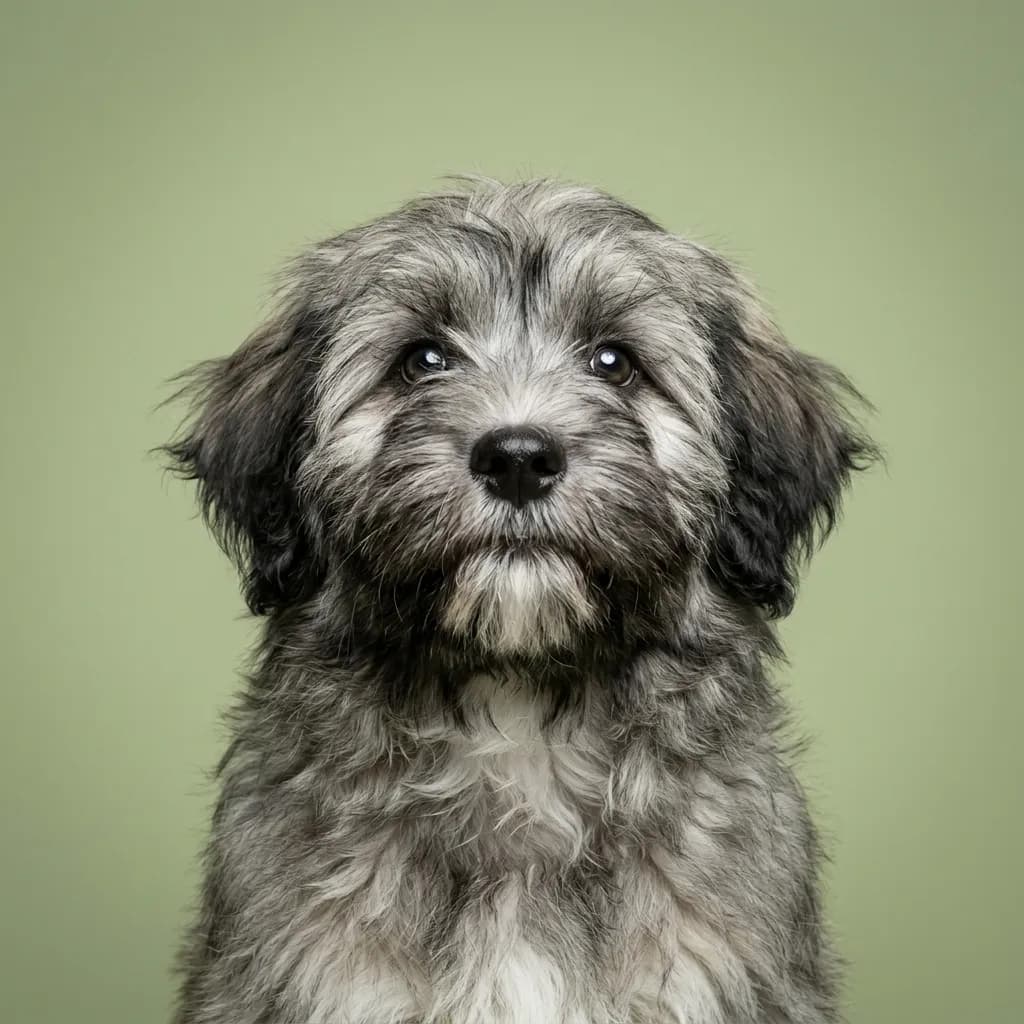
People compare the Russian Toy and Tibetan Terrier because they’re both small to medium-sized, deeply loyal companion dogs with long histories as cherished housemates. But that’s where the similarities end. These aren’t two versions of the same idea—they’re entirely different experiences. If you want a dog that fits in your pocket and your heart, the Russian Toy might be it. At just 3 to 6.5 pounds, it’s barely more than a whisper of a dog, but don’t let the size fool you. This little sparkplug barks when it matters, bonds fiercely, and thrives on attention. You’ll need to be home often—this isn’t a breed that does well alone. And while it’s smart and eager to please, it’s not built for long hikes or roughhousing. It’s best for quieter homes, seniors, or city dwellers who want a shadow that follows with drama and devotion. The Tibetan Terrier, despite the name, isn’t a terrier and isn’t small. At 18 to 30 pounds, it’s a sturdy, double-coated dog built for mountain life. It’s affectionate but more independent, with a higher energy level and a need for daily mental and physical stimulation. You’ll be brushing it several times a week—its coat doesn’t forgive neglect. It adapts well, but it’s not a couch ornament. It’ll join you on weekend hikes and tolerate city living, but it needs activity and engagement. Here’s the real difference: the Russian Toy is a high-strung jewel—precious, fragile, intense. The Tibetan Terrier is a resilient companion, built to endure and adapt. Choose the Toy if you want a tiny, dramatic love affair. Choose the Terrier if you want a durable, affectionate partner in a slightly hairy package. And one thing the data won’t tell you: both can be surprisingly loud. Neither suffers strangers quietly.
Trait-by-trait
Higher bar = more of that trait. Shedding, barking, drooling, grooming flipped for readability.Where they diverge
Choose the Russian Toy if…
- Apartment living
- Seniors
- Owners wanting a devoted companion
- You value playfulness — Russian Toy scores noticeably higher.
Choose the Tibetan Terrier if…
- Allergy sufferers
- Active families
- Those wanting a medium-sized companion
- You value coat grooming — Tibetan Terrier scores higher here.