Saluki vs Schapendoes
Side-by-side comparison across all 14 AKC trait ratings, with a clear verdict on which breed fits which kind of household.
Not sure which breed fits your life?
Answer five questions about your home, your schedule, and your tolerance for shedding. We’ll match you to your top three breeds from over 200.
Saluki vs Schapendoes
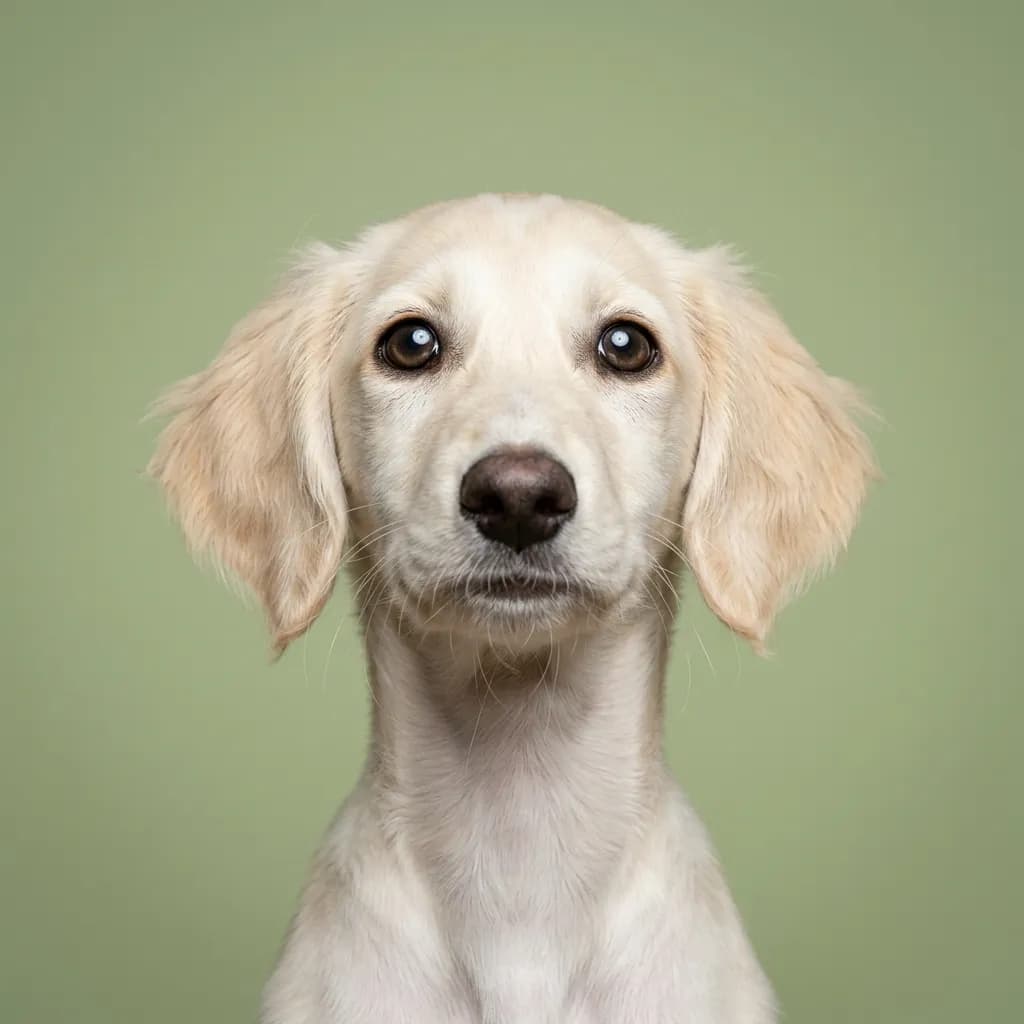
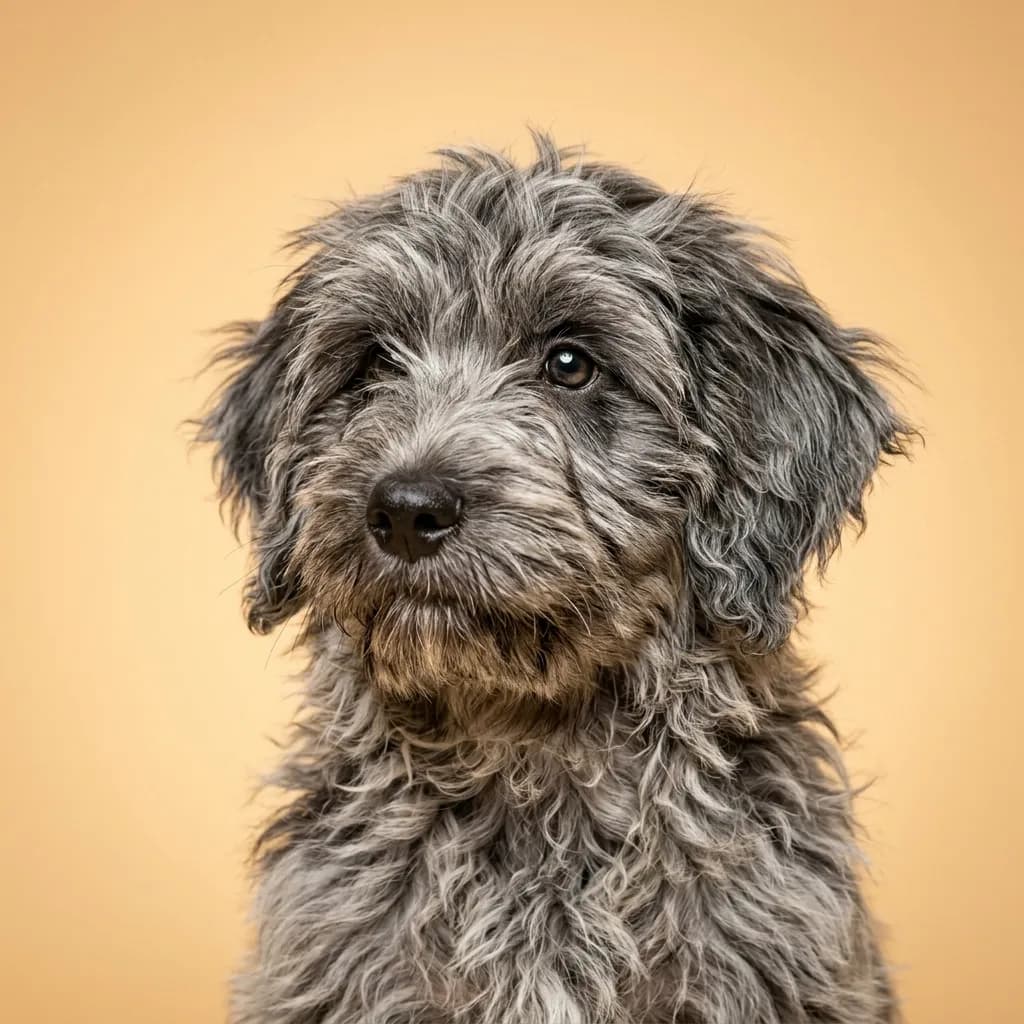
You don't see Salukis and Schapendoes side by side at dog parks often, but if you're drawn to rare, long-haired breeds that move with grace and intelligence, the comparison makes sense. Both are elegant, affectionate, and far from cookie-cutter dogs. But beneath the surface, they're built for entirely different worlds. The Saluki is the desert poet. Lean, fast, and quietly regal, this sighthound was born to streak across open terrain after prey. You’ll love their soft eyes and deep loyalty, but they won’t follow you from room to room like a shadow. They’re independent thinkers with a strong flight instinct—let them off-leash in an unfenced area and they may not come back. They thrive with runners or lure coursing fans who can give them space to stretch their legs and minds. But if you want a dog that lives for obedience trials or family game night, they’ll politely decline. The Schapendoes, on the other hand, is the lively Dutch shepherd with a mane like a storybook pony. Bred to work all day in rugged terrain, they’re eager, trainable, and thrive on tasks. They bond closely with their people and excel in agility, herding, or any sport that keeps them busy. Yes, that fluffy coat needs weekly brushing, but it’s a small price for a dog that actually wants to learn new tricks at age 10. Here’s the real difference: A Saluki loves you from a soft bed across the room. A Schapendoes wants to be right in the middle of whatever you’re doing—even if it means nudging you with their nose until you throw the ball again. Pick the Saluki if you value quiet elegance and have space to run. Choose the Schapendoes if you want a partner in adventure who’s always up for a challenge.
Trait-by-trait
Higher bar = more of that trait. Shedding, barking, drooling, grooming flipped for readability.Where they diverge
Choose the Saluki if…
- Active owners with running space
- Experienced sighthound owners
- Those wanting an elegant, quiet breed
- You value mental stimulation needs — Saluki scores noticeably higher.
Choose the Schapendoes if…
- active families
- agility and herding sport enthusiasts
- experienced herding breed owners
- You value watchdog / protective — Schapendoes scores higher here.