Samoyed vs Sealyham Terrier
Side-by-side comparison across all 14 AKC trait ratings, with a clear verdict on which breed fits which kind of household.
Not sure which breed fits your life?
Answer five questions about your home, your schedule, and your tolerance for shedding. We’ll match you to your top three breeds from over 200.
Samoyed vs Sealyham Terrier
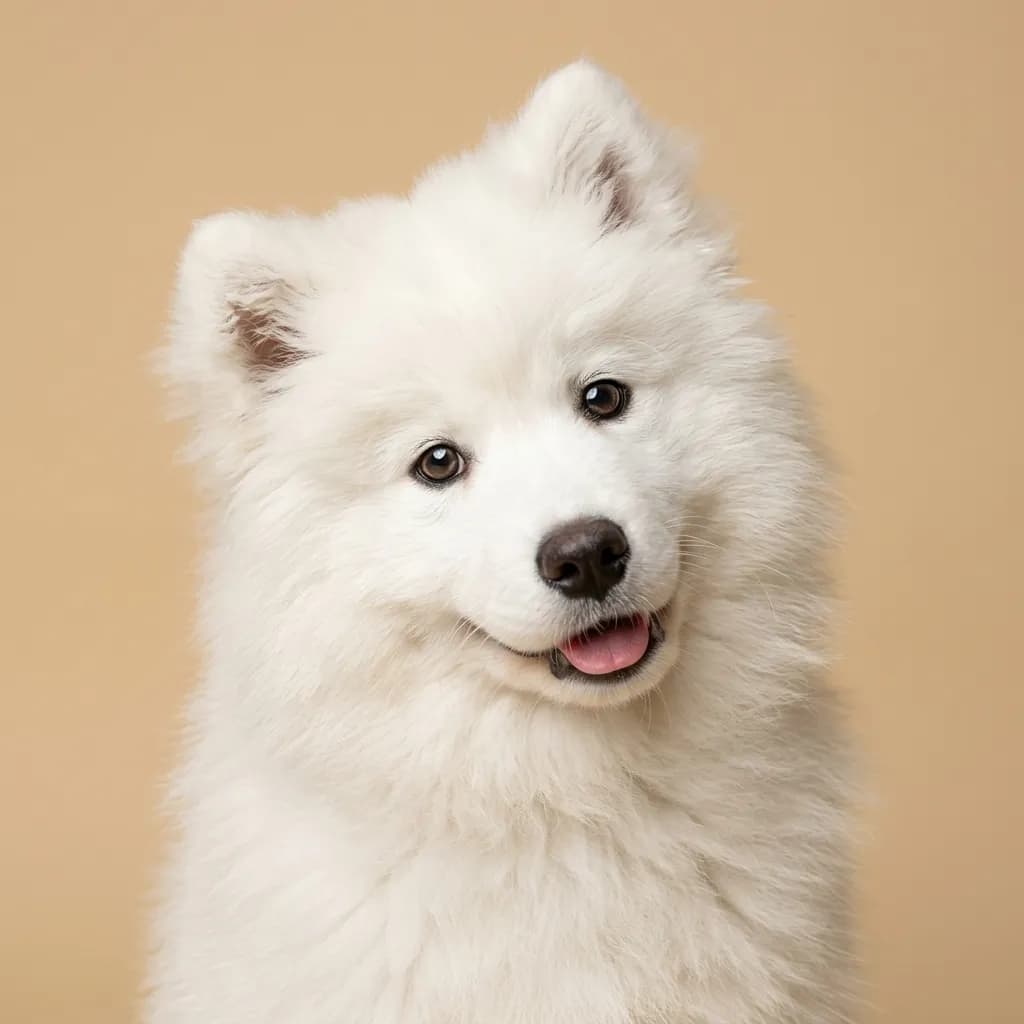
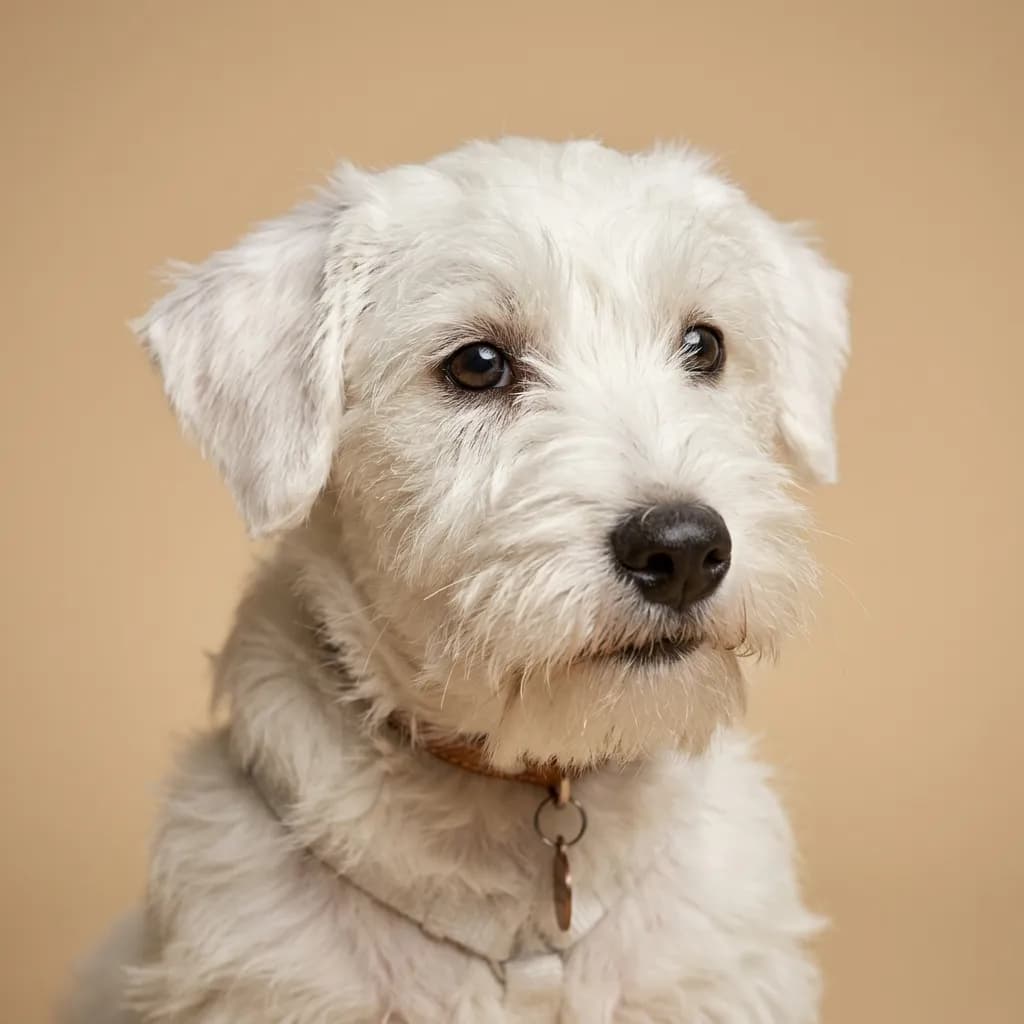
You don’t see Samoyeds and Sealyham Terriers in the same conversation much, but when people do compare them, it’s usually because they’re drawn to white, fluffy dogs with big personalities and a little grooming drama. That’s where the similarities end—and the real decision begins. The Samoyed is the cheerful, 60-pound snowman that follows you on hikes, greets strangers like long-lost cousins, and barks at squirrels like it’s his job. He’s built for cold climates, both in coat and spirit, thriving in active homes where someone’s always up for a walk or a game of fetch. You’ll spend time brushing him weekly, yes, but you’ll also be charmed into it by that perpetual smile and his gentle, kid-loving nature. The Sealyham, in contrast, is the compact, wiry-coated character who’s happiest curled beside you on the couch after a brisk walk. He’s alert and funny, with a terrier spark that shows when he spots a squirrel, but he won’t demand hours of exercise. He’s better for calmer homes—seniors, apartment dwellers, or families with older kids—because he can be a bit reserved with noise and chaos. Here’s what the breed summaries won’t tell you: the Samoyed’s bark is relentless. Not just at strangers, but at wind, shadows, dreams. If you live in an apartment or value quiet evenings, this is a dealbreaker. The Sealyham barks too, but it’s more purposeful—he’s alerting, not narrating his life. Choose the Samoyed if you want a loyal, social athlete built for adventure in cold weather. Pick the Sealyham if you want a loyal, quirky companion who’s content with less. Just remember—both need grooming, but only one will serenade the moon every night. Know which you can live with.
Trait-by-trait
Higher bar = more of that trait. Shedding, barking, drooling, grooming flipped for readability.Where they diverge
Choose the Samoyed if…
- Active families
- Cold climate households
- Dog sports enthusiasts
- You value good with young children — Samoyed scores noticeably higher.
Choose the Sealyham Terrier if…
- Apartment living
- Seniors
- Those wanting a less active terrier
- You value watchdog / protective — Sealyham Terrier scores higher here.