Samoyed vs Shih Tzu
Side-by-side comparison across all 14 AKC trait ratings, with a clear verdict on which breed fits which kind of household.

Not sure which breed fits your life?
Answer five questions about your home, your schedule, and your tolerance for shedding. We’ll match you to your top three breeds from over 200.
Samoyed vs Shih Tzu
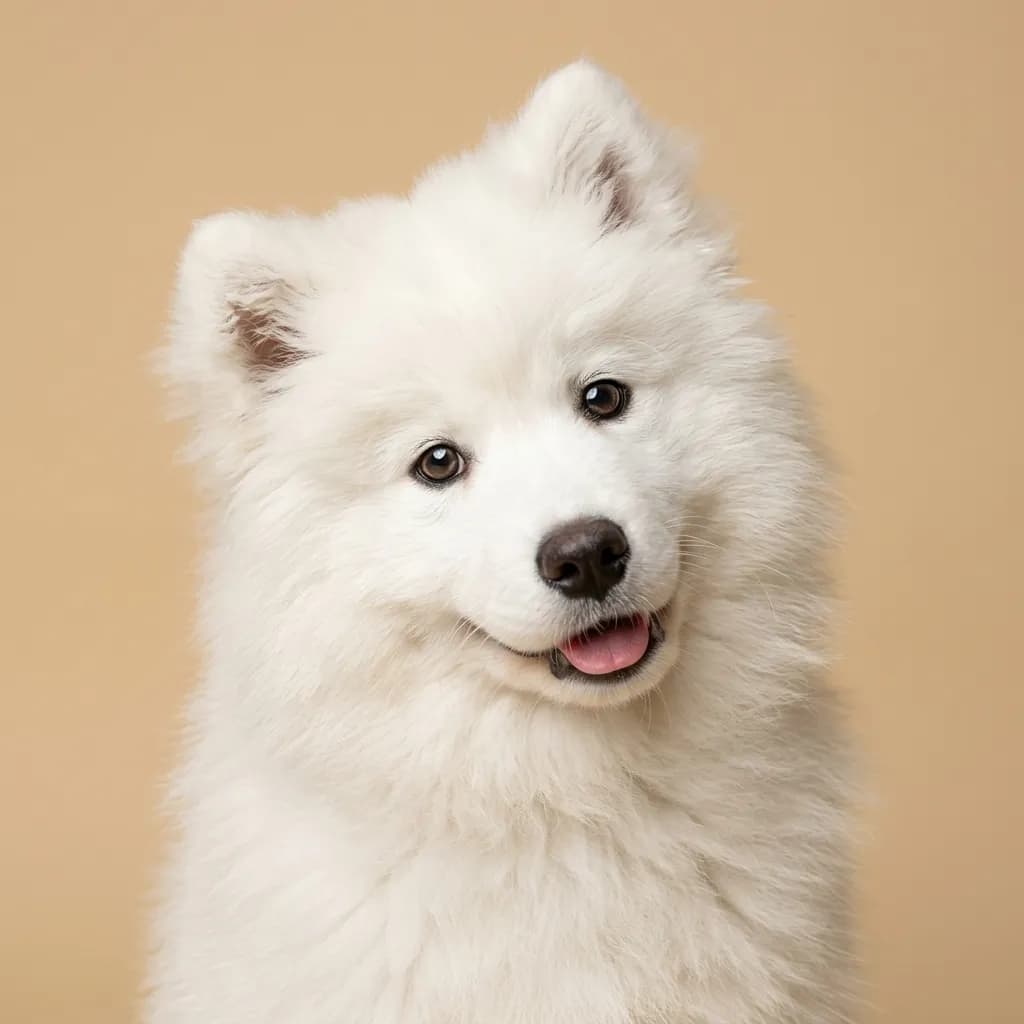
You don’t see a Samoyed and a Shih Tzu side by side at dog parks often, but people compare them because both are fluffy, friendly, and famously affectionate. They look vaguely similar in photos—white fur, happy eyes, constant smiles—so it’s easy to get confused. But bring them into your life and you’ll quickly realize they’re built for entirely different worlds. The Samoyed is a working dog from Siberia, bred to pull sleds and herd reindeer in subzero cold. That means they come with high energy, a loud, alert bark (they’ll tell you about every squirrel), and a thick double coat that needs serious grooming. They’re happiest when they have jobs, like hiking with the family or mastering obedience tricks. You’ll need space, time, and a tolerance for dog hair on everything. They thrive in colder climates and active homes where they’re part of the action all day. The Shih Tzu, in contrast, was made for silk cushions in imperial palaces. This little companion lives for lap time, naps in sunbeams, and adapts effortlessly to apartments or small spaces. Their energy is more “playful bursts” than “all-day adventure.” Yes, their long coat needs daily brushing, but they don’t shed much—great for people with allergies. And while they’ll bark at the doorbell, they’re not on high alert like the Samoyed. Families in Alaska who love outdoor adventures? Go Samoyed. Seniors in a city apartment wanting a calm, loving companion? Shih Tzu wins. Here’s the real talk: the Samoyed’s smile is infectious, but it’s not low-maintenance bliss—it’s the grin of a dog that wants to work. If you don’t give them purpose, they’ll find their own—like redecorating your garden or howling at the wind. Know what kind of love you’re signing up for.
Trait-by-trait
Higher bar = more of that trait. Shedding, barking, drooling, grooming flipped for readability.Where they diverge
Choose the Samoyed if…
- Active families
- Cold climate households
- Dog sports enthusiasts
- You value shedding level — Samoyed scores noticeably higher.
Choose the Shih Tzu if…
- Apartment living
- Seniors
- Families with gentle children
- You value good with other dogs — Shih Tzu scores higher here.