Samoyed vs Sloughi
Side-by-side comparison across all 14 AKC trait ratings, with a clear verdict on which breed fits which kind of household.
Not sure which breed fits your life?
Answer five questions about your home, your schedule, and your tolerance for shedding. We’ll match you to your top three breeds from over 200.
Samoyed vs Sloughi
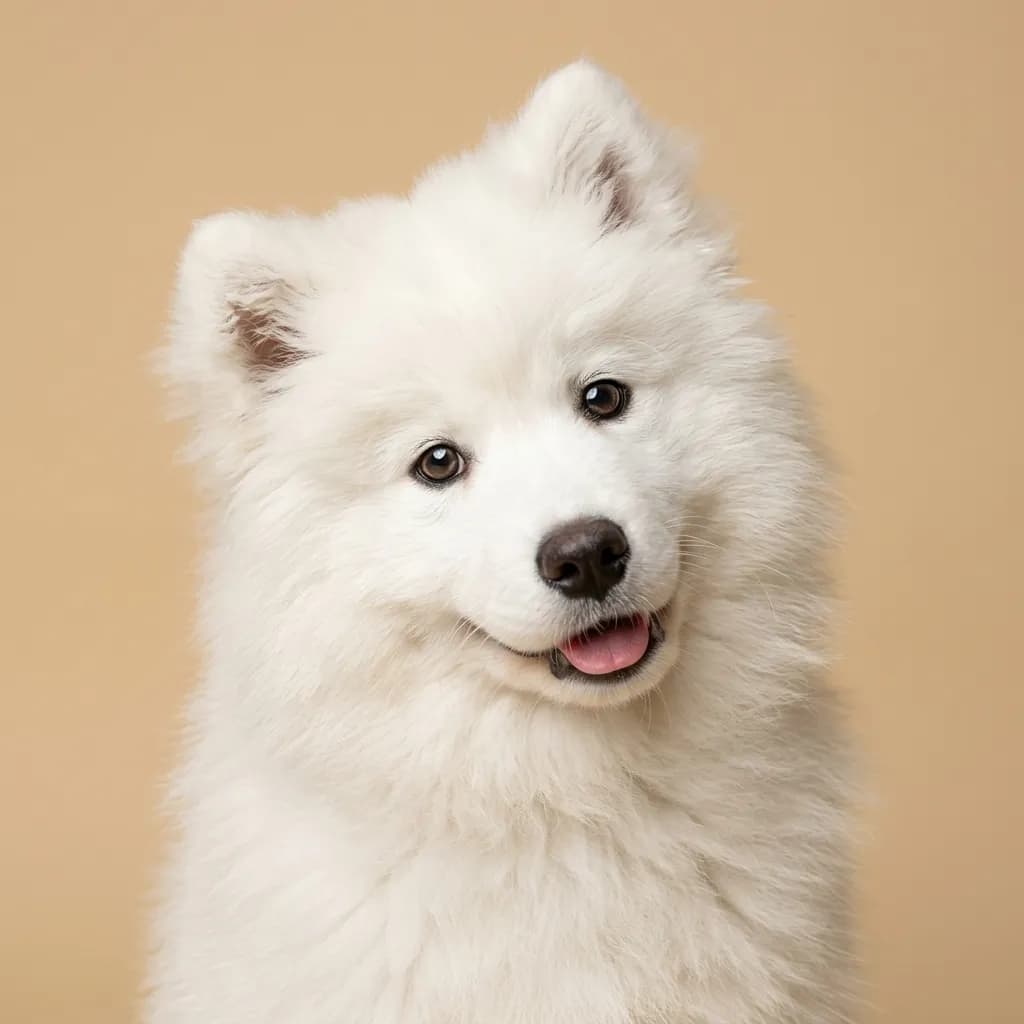
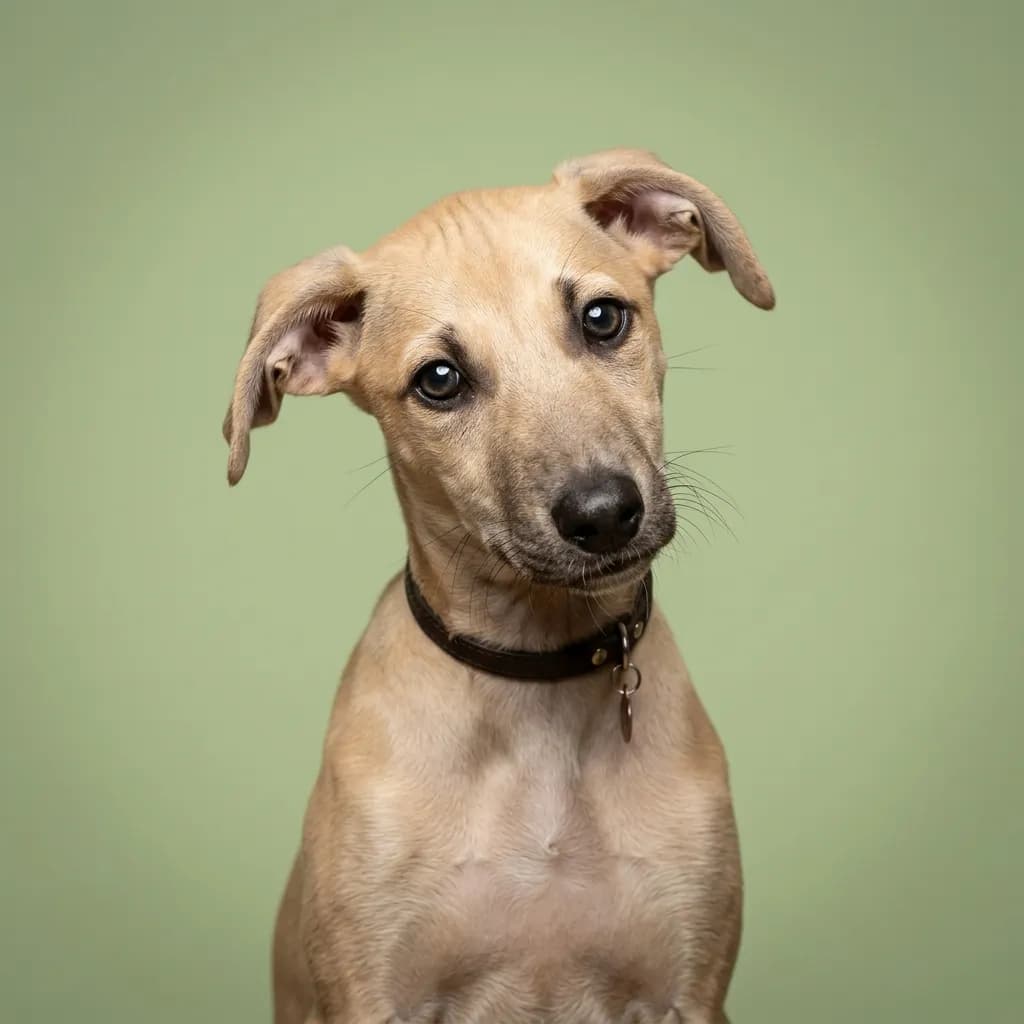
You don’t see Samoyeds and Sloughis side by side at dog parks often, but people do compare them—usually because they’re drawn to rare, striking-looking dogs with deep cultural roots. On the surface, both are lean, elegant, and active. But that’s where the similarity ends. Choosing between them isn’t just preference. It’s lifestyle, temperament, and honestly, your tolerance for barking at 6 a.m. because the mail truck passed. The Samoyed is your cheerful, fluffy roommate from Siberia. They’re bred to work in teams, pull sleds, and live with people, which means they need company. They’ll greet strangers like long-lost cousins, adore kids, and bark—constantly—about everything. If you live in a hot climate or hate brushing, this isn’t your dog. They shed year-round and overheat easily. But if you want a loyal, trainable dog for dog sports or winter adventures, they’re gold. The Sloughi is the opposite. Think North African desert ghost: lean, silent, and reserved. They’re not unfriendly, but they’re not handing out tail wags to everyone. They bond deeply with one or two people and prefer calm over chaos. They need space to run—safely fenced—because their prey drive is high. Kids might overwhelm them. Training takes patience; they’re sensitive, not stubborn, but they won’t jump through hoops just to please you. Here’s the real difference: the Samoyed wants to be part of your every move. The Sloughi tolerates your presence as long as you respect their space. Pick the Samoyed if you want a social, outgoing family dog. Pick the Sloughi if you’re a quiet, experienced handler who values elegance and calm intensity. And know this—both are rare for a reason. They’re not easy. But if you match their needs, they’re unforgettable.
Trait-by-trait
Higher bar = more of that trait. Shedding, barking, drooling, grooming flipped for readability.Where they diverge
Choose the Samoyed if…
- Active families
- Cold climate households
- Dog sports enthusiasts
- You value good with strangers — Samoyed scores noticeably higher.
Choose the Sloughi if…
- Experienced sighthound owners
- Active owners with running space
- Those wanting a sensitive, loyal companion