Samoyed vs Spinone Italiano
Side-by-side comparison across all 14 AKC trait ratings, with a clear verdict on which breed fits which kind of household.
Not sure which breed fits your life?
Answer five questions about your home, your schedule, and your tolerance for shedding. We’ll match you to your top three breeds from over 200.
Samoyed vs Spinone Italiano
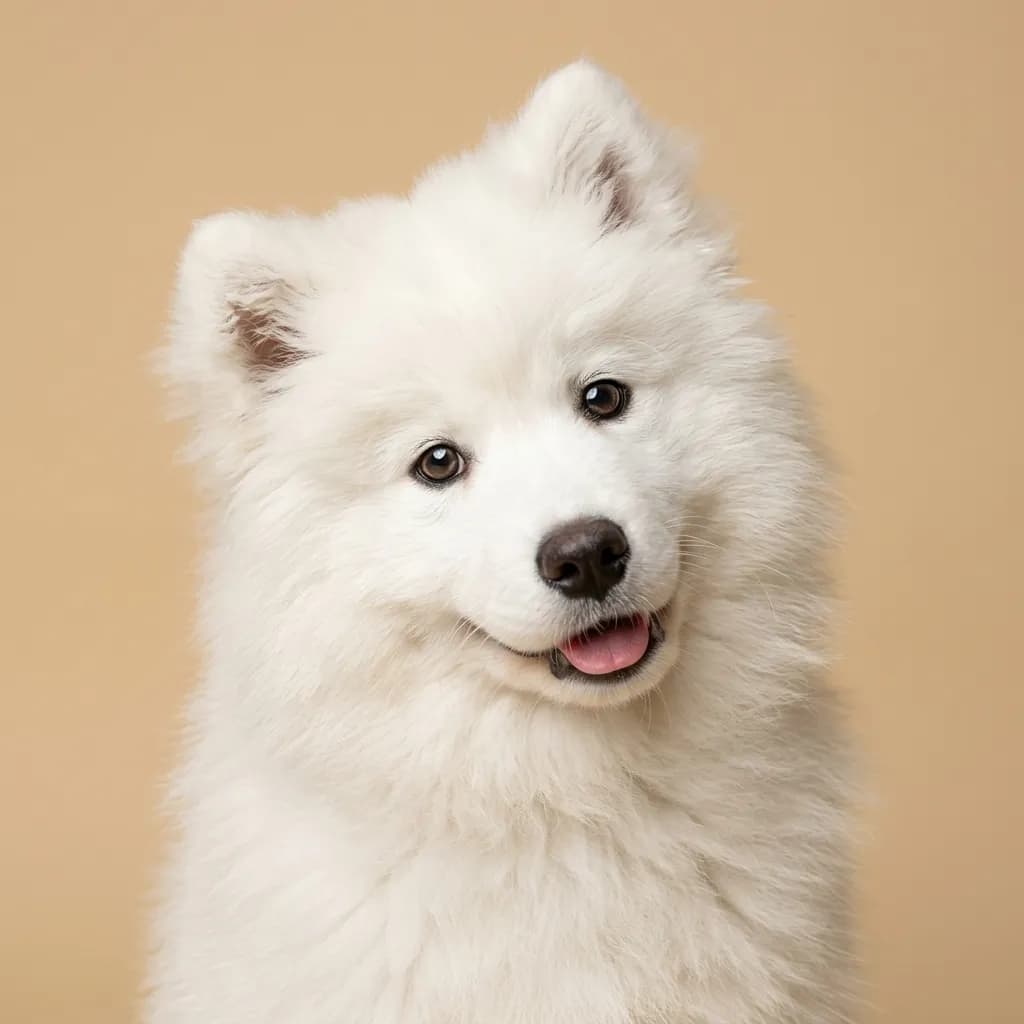
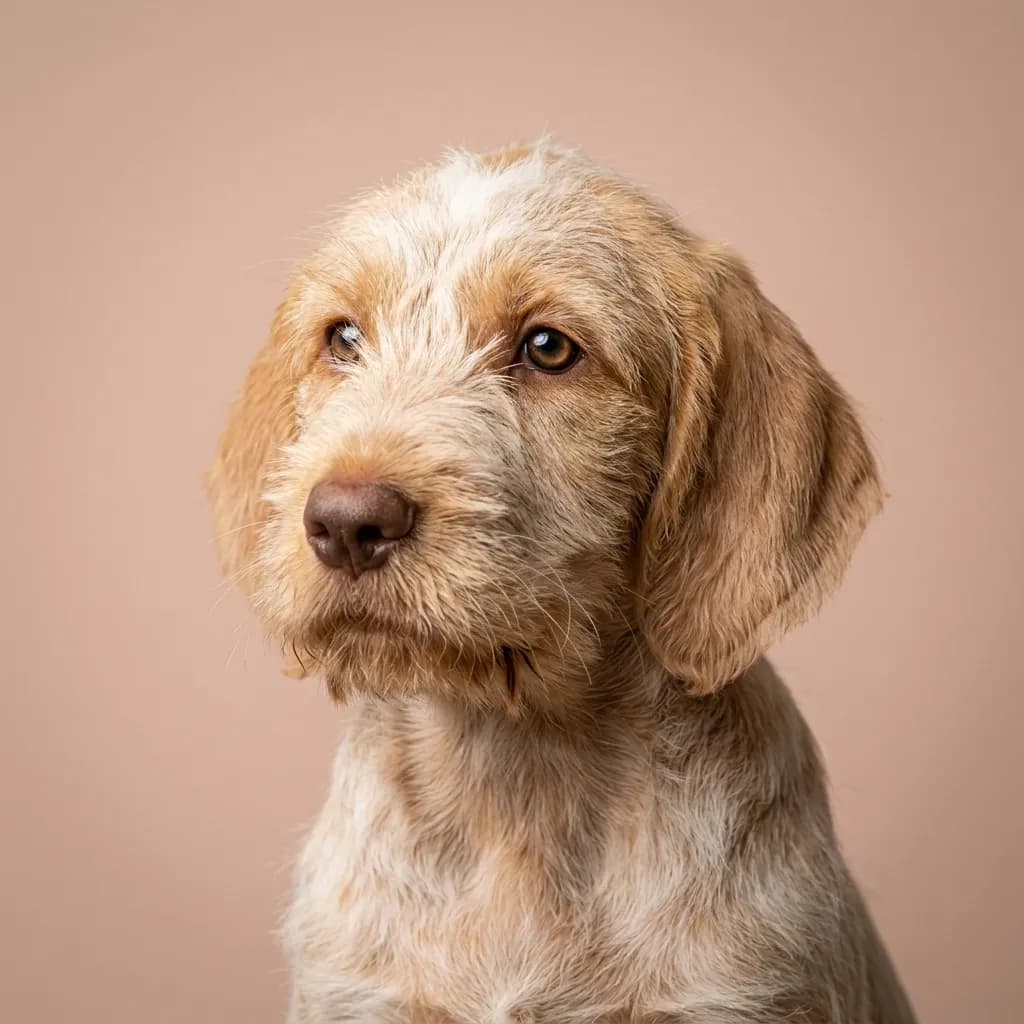
People compare Samoyeds and Spinone Italianos because both are big, gentle-looking dogs with kind eyes and families drawn to their “soft” personalities. They’re not typical high-strung herders or driven gun dogs, but they couldn’t come from more different worlds—literally and functionally. The Samoyed is a snowflake in dog form. Bred for Arctic survival, this breed thrives in cold climates and lives to engage. They’re loud, affectionate, and demand attention—barking at squirrels, strangers, and sometimes just for fun. Their thick white coat needs serious grooming, and their energy and intelligence mean they need jobs, even if that job is dog agility or just a daily three-mile hike. They bond tightly with families and are incredible with kids, but you’ll never have a quiet evening on the couch without a Sam chattering at the window. The Spinone is the opposite kind of mellow. Hailing from the Italian countryside, this wiry-coated hunter is built for endurance, not speed. They’re quiet—rarely bark, love to lean on you, and have that droopy, patient look of a dog that’s okay waiting. They’ll romp in the yard or go bird hunting all day, but they’re just as happy lounging in a sunbeam. They’re great with kids but can be a bit clumsy due to their size and docile nature. And yes, they drool. After water, after meals, just because. Here’s the real difference: Samoyeds need a lifestyle. The Spinone fits into yours. If you want a dog that’s part of every moment and doesn’t mind the cold, go Samoyed. If you want a calm, loyal companion for country life or long outdoor adventures without the noise, the Spinone’s your dog. Just don’t expect either to stay clean on a muddy trail.
Trait-by-trait
Higher bar = more of that trait. Shedding, barking, drooling, grooming flipped for readability.Where they diverge
Choose the Samoyed if…
- Active families
- Cold climate households
- Dog sports enthusiasts
- You value barking level — Samoyed scores noticeably higher.
Choose the Spinone Italiano if…
- Active hunting families
- Those wanting a gentle, patient breed
- Families with children
- You value drooling level — Spinone Italiano scores higher here.