Samoyed vs Tosa
Side-by-side comparison across all 14 AKC trait ratings, with a clear verdict on which breed fits which kind of household.

Not sure which breed fits your life?
Answer five questions about your home, your schedule, and your tolerance for shedding. We’ll match you to your top three breeds from over 200.
Samoyed vs Tosa
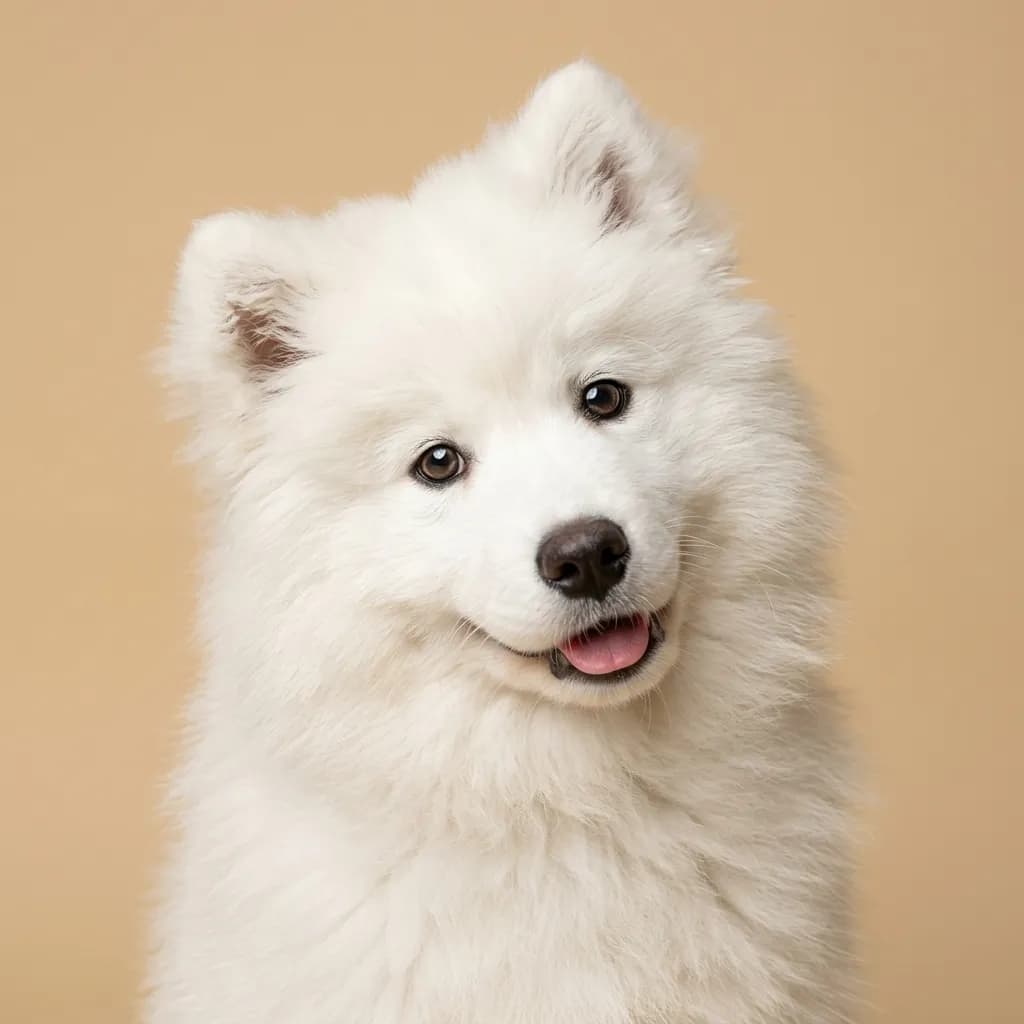
People don’t usually pit a fluffy, smiling Samoyed against a silent mountain of a Tosa—on paper, they’re nothing alike. But if you’re standing in a breeder’s yard, torn between a dog that feels like home and one that commands respect just by existing, the choice gets personal. Both are large, both have deep cultural roots, and both demand commitment. That’s where the similarities end. The Samoyed is your enthusiastic winter partner, built for action in cold climates and happiest when pulling, playing, or greeting every person and dog like a long-lost friend. They’re great with kids, loud enough to announce the mailman from three blocks away, and need regular brushing to manage that iconic coat. You’ll love their joy, but you’ll earn it with time and activity. The Tosa is the quiet giant, bred from fighters but now shaped into a solemn, devoted guardian. They’re not aggressive by nature, but they’re intensely reserved with strangers and need experienced handling. Their size alone—100 to 200 pounds of muscle—means they’re not for small homes or uncertain owners. They bark less, shed less, but require serious space and structure. Choose the Samoyed if you want a dog who greets life with a grin and fits into an active, social household. Choose the Tosa only if you’re a seasoned owner ready for a calm but powerful companion and can provide secure space and confident leadership. Here’s the truth beyond the data: the Samoyed will steal your heart with noise and fluff. The Tosa will earn yours in silence, with loyalty measured in quiet presence, not wagging tails. Pick based on who you are—not who you wish you were.
Trait-by-trait
Higher bar = more of that trait. Shedding, barking, drooling, grooming flipped for readability.Where they diverge
Choose the Samoyed if…
- Active families
- Cold climate households
- Dog sports enthusiasts
- You value good with strangers — Samoyed scores noticeably higher.
Choose the Tosa if…
- very experienced large-breed owners
- homes with secure property
- owners seeking a calm giant breed companion
- You value drooling level — Tosa scores higher here.