Samoyed vs Welsh Terrier
Side-by-side comparison across all 14 AKC trait ratings, with a clear verdict on which breed fits which kind of household.

Not sure which breed fits your life?
Answer five questions about your home, your schedule, and your tolerance for shedding. We’ll match you to your top three breeds from over 200.
Samoyed vs Welsh Terrier
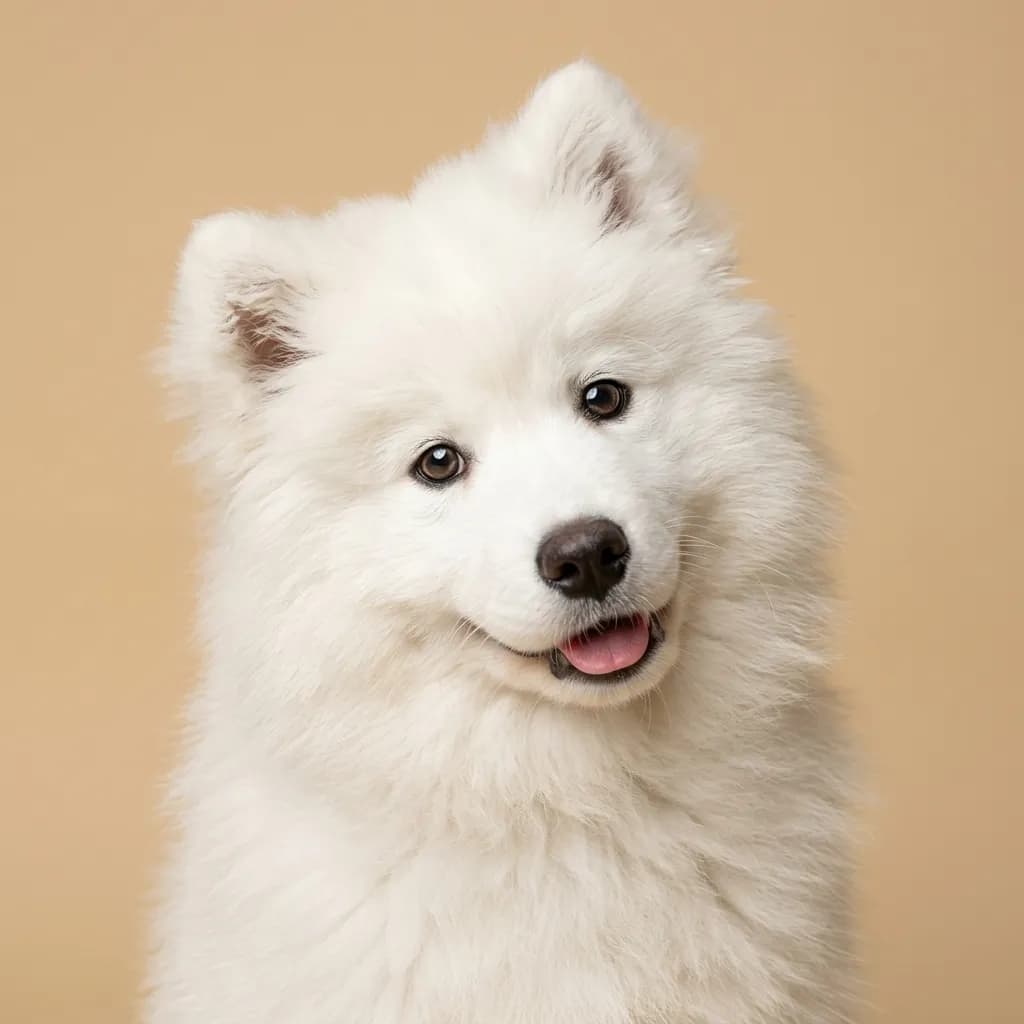
You don’t see a Samoyed and a Welsh Terrier side by side at the dog park every day, but people compare them because both are cheerful, family-friendly dogs with a spark of personality. They’re not obvious twins—far from it—but if you’re drawn to dogs that love people, thrive on routine, and bring energy without aggression, these two come up. And that’s where the real differences start to matter. The Samoyed is a big-hearted, snow-proof companion built for endurance. You’ll need a yard in a cooler climate and the willingness to brush fur daily—those coats don’t maintain themselves. They bark. A lot. Not out of aggression, but because they’re sociable to a fault and everything excites them. If you hike, ski, or spend weekends outdoors in cold weather, this dog will be your shadow. They’re gentle with kids, yes, but their size and energy mean toddlers need supervision. The Welsh Terrier is compact, scrappy, and built for life in a cottage or city apartment. He’s nearly hypoallergenic, sheds minimally, and grooms easily with hand-stripping or clipping. But don’t mistake his size for low drive. This dog was bred to go underground after foxes. He’s independent, bold, and will chase squirrels like it’s his job. You can’t just let him off leash in an open park—he’ll vanish after movement. Pick the Samoyed if you want a loyal, affectionate giant who thrives on being part of every family activity and don’t mind the grooming or the noise. Choose the Welsh Terrier if you want a spirited, manageable-sized dog with big-dog confidence and fewer coat issues, but can handle his terrier stubbornness. Here’s the truth the breed standards won’t tell you: the Samoyed wants to be loved by everyone, but the Welsh Terrier? He’ll pick one person and lock in. That bond runs deep—and comes with a side-eye for anyone who tries to interfere.
Trait-by-trait
Higher bar = more of that trait. Shedding, barking, drooling, grooming flipped for readability.Where they diverge
Choose the Samoyed if…
- Active families
- Cold climate households
- Dog sports enthusiasts
- You value shedding level — Samoyed scores noticeably higher.
Choose the Welsh Terrier if…
- Active families
- Those wanting a spirited, playful companion
- Families with children
- You value drooling level — Welsh Terrier scores higher here.