Samoyed vs Working Kelpie
Side-by-side comparison across all 14 AKC trait ratings, with a clear verdict on which breed fits which kind of household.

Not sure which breed fits your life?
Answer five questions about your home, your schedule, and your tolerance for shedding. We’ll match you to your top three breeds from over 200.
Samoyed vs Working Kelpie
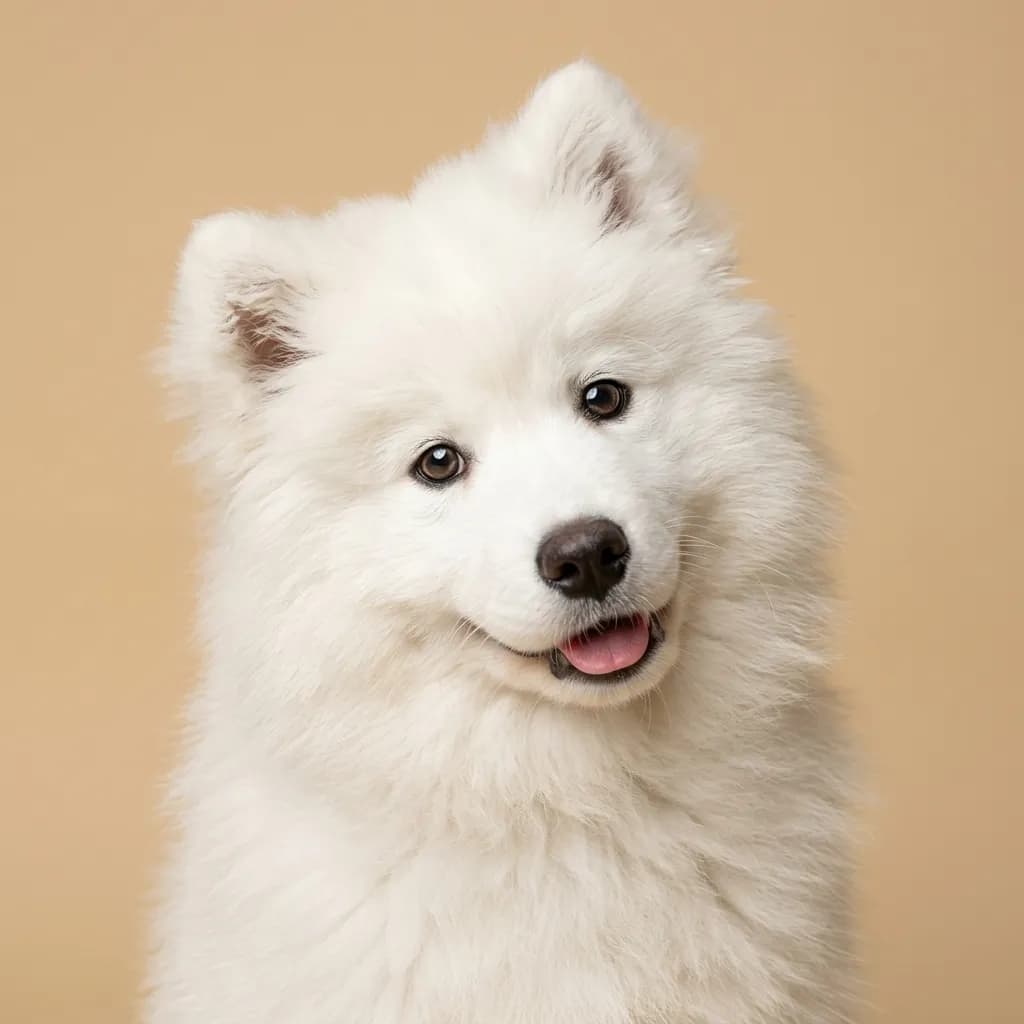
You don’t see Samoyeds and Working Kelpies side by side at dog parks often, but people compare them when they’re after a smart, active dog that’s good with kids and up for adventure. On paper, both are medium-sized, energetic, and loyal. But that’s where the similarity ends. The Samoyed is your smiling, fluffy companion from Siberia. This dog wants to be part of everything—family hikes, weekend trips, even standing guard at the breakfast table. They’re deeply social, bark at pretty much anything, and need regular brushing unless you want your home to look like a snowstorm hit. They thrive in colder climates and with owners who don’t mind a dog that acts like a co-parent in the household. You’ll pay more for that friendly grin—often $3,000 or up—and commit to grooming most weeks. Then there’s the Working Kelpie. Lean, intense, built for motion. This dog isn’t your cuddly couch ornament. Bred to work vast Australian pastures, Kelpies solve problems before you know they exist. They’re quieter than Samoyeds, less demanding of affection, but need jobs—real ones. A Kelpie without a task will find one, like chasing the vacuum or herding your kids. They’re not ideal for city life or owners who just want a pet. But if you’ve got land, livestock, or serious outdoor hobbies, they’re unmatched. Here’s the real difference: Samoyeds want to love you. Kelpies want to work with you. Pick the Samoyed if you want a joyful, loyal family mascot who can handle winter adventures. Pick the Kelpie if you need a tireless partner and you’re ready to match their drive. One insight the data misses? A bored Kelpie is dangerous. A bored Samoyed just barks. Both will break your heart in different ways if you don’t meet their needs.
Trait-by-trait
Higher bar = more of that trait. Shedding, barking, drooling, grooming flipped for readability.Where they diverge
Choose the Samoyed if…
- Active families
- Cold climate households
- Dog sports enthusiasts
- You value affectionate w/ family — Samoyed scores noticeably higher.
Choose the Working Kelpie if…
- Farmers and ranchers
- Experienced dog owners
- Active rural lifestyles
- You value drooling level — Working Kelpie scores higher here.