Schipperke vs Tosa
Side-by-side comparison across all 14 AKC trait ratings, with a clear verdict on which breed fits which kind of household.

Not sure which breed fits your life?
Answer five questions about your home, your schedule, and your tolerance for shedding. We’ll match you to your top three breeds from over 200.
Schipperke vs Tosa
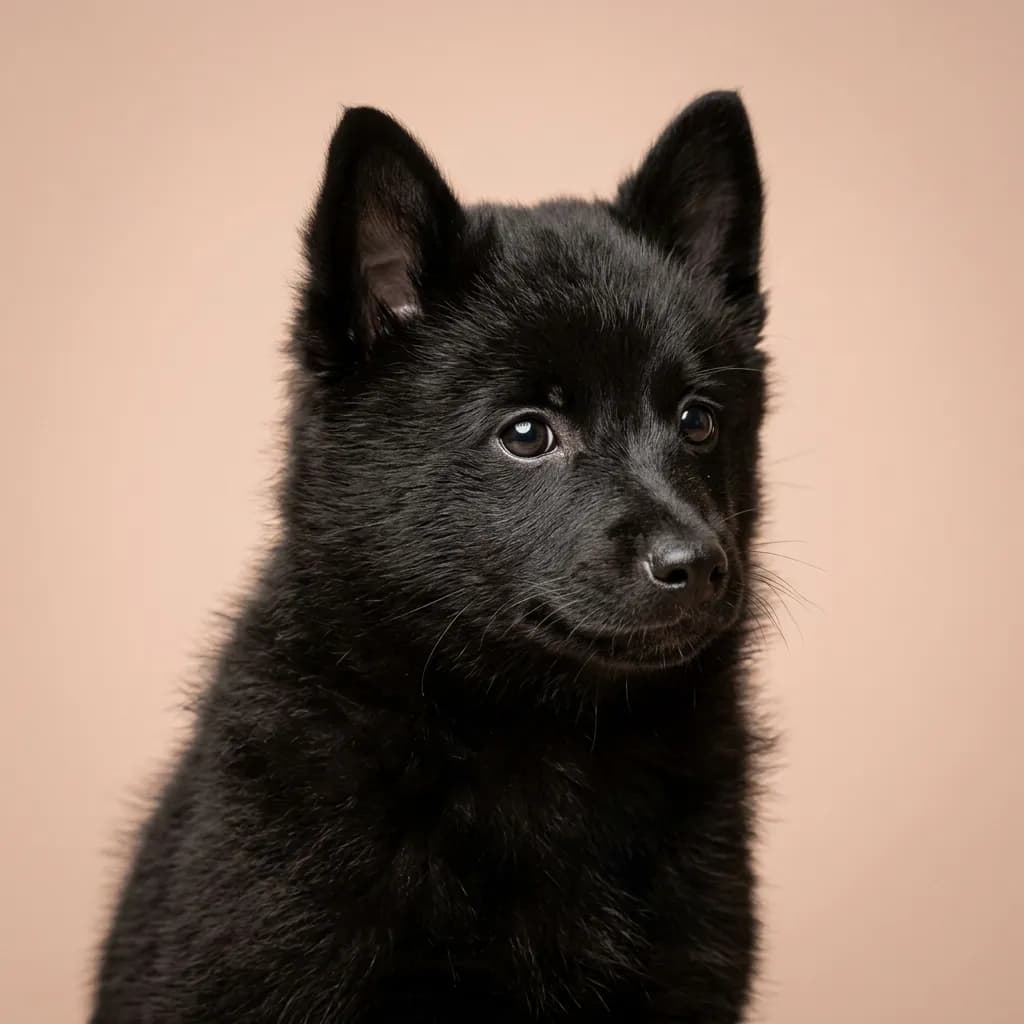
You’d never think someone would compare a tiny Belgian barge dog to a massive Japanese fighting breed—until you see them both in person. The Schipperke and Tosa don’t look alike, don’t live alike, and certainly don’t eat alike. But people compare them because both are uncommon, bold, and pack a surprising intensity in very different packages. One’s a spark plug in fur. The other’s a silent tank. Choosing between them isn’t about preference. It’s about lifestyle. The Schipperke is small but loud, curious to a fault, and will bark at a leaf blowing wrong. It’s affectionate and clever, thriving in a home where someone’s around often—great for suburban yards with older kids who respect its feisty edge. You’ll need time to train it and patience for its opinions. It’s not a lap dog, but it’ll follow you like one. The Tosa? This dog is the opposite of flashy. Calm, deliberate, deeply loyal to its person, but reserved with strangers and other animals. It needs space, both physically and mentally. You can’t wing it with a Tosa. It demands experience, secure fencing, and a routine. In the right hands, it’s a gentle giant—affectionate without being clingy, powerful without being reckless. Here’s the real talk: both breeds carry baggage. The Schipperke’s vermin-hunting past means it might chase small pets. The Tosa’s fighting history means it’s banned in some places and requires a handler who understands dominance and control. Neither is for beginners. Pick the Schipperke if you want a lively, compact watchdog with personality to spare. Pick the Tosa only if you’re ready for a lifelong commitment to leadership, space, and responsibility. One’s a conversation starter. The other is a statement.
Trait-by-trait
Higher bar = more of that trait. Shedding, barking, drooling, grooming flipped for readability.Where they diverge
Choose the Schipperke if…
- Active owners
- Those wanting a small but bold breed
- Suburban or rural settings
- You value good with other dogs — Schipperke scores noticeably higher.
Choose the Tosa if…
- very experienced large-breed owners
- homes with secure property
- owners seeking a calm giant breed companion
- You value drooling level — Tosa scores higher here.