Schipperke vs Vizsla
Side-by-side comparison across all 14 AKC trait ratings, with a clear verdict on which breed fits which kind of household.

Not sure which breed fits your life?
Answer five questions about your home, your schedule, and your tolerance for shedding. We’ll match you to your top three breeds from over 200.
Schipperke vs Vizsla
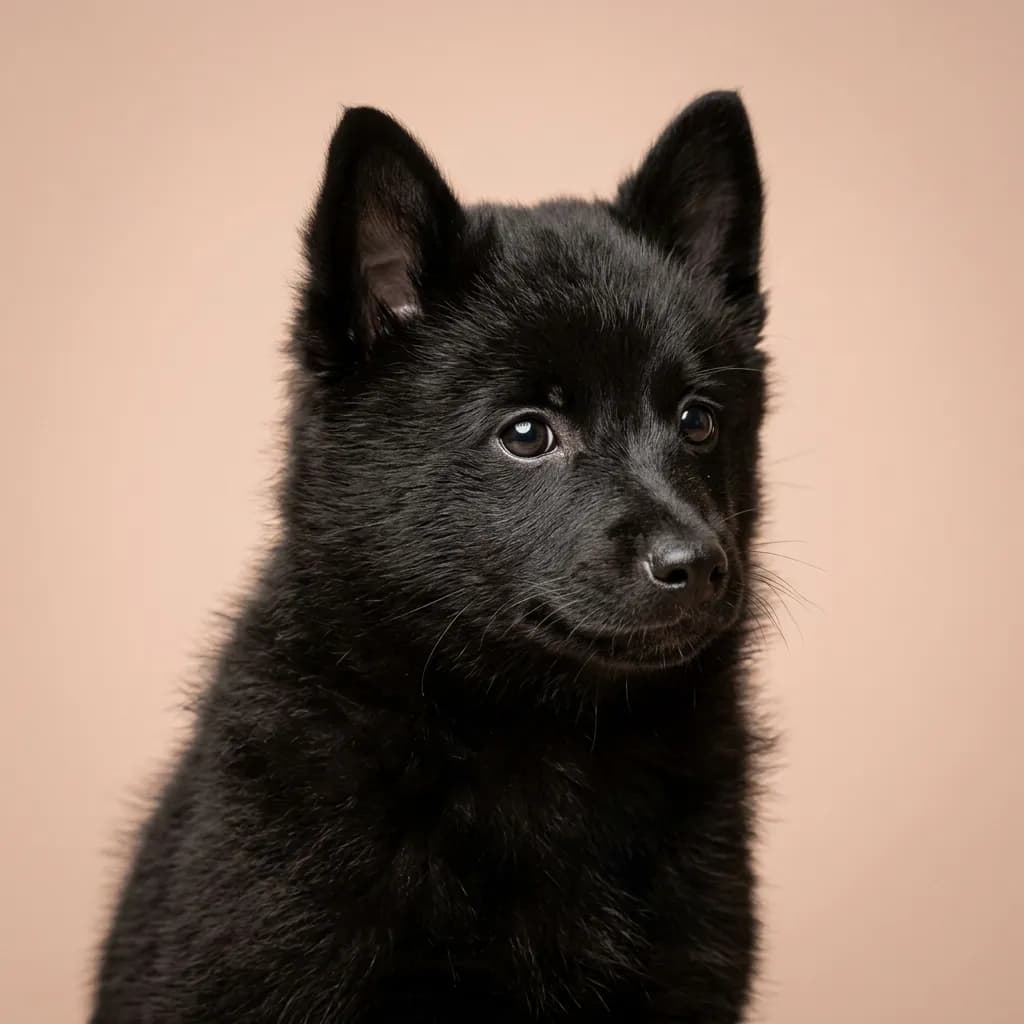
You don’t see Schipperkes and Vizslas lined up at the same dog park often, but people compare them because both are energetic, loyal, and deeply attached to their people. They’re also both moderately shedding, intelligent, and live around 12 to 14 years. But that’s where the similarities fade like a watermark in the sun. The Schipperke is a tiny black whirlwind with a fox-like face and a Napoleon complex. At 10 to 16 pounds, it’s barely larger than a house cat, but don’t be fooled. This little Belgian barge guardian was bred to patrol and protect, which means it’s alert, vocal, and suspicious of strangers. You’ll get a dog that follows you room to room, barks at the mailman like he’s breaking and entering, and tries to boss around animals twice its size. It’s affectionate—deeply so—but on its own terms. It’s not the kind of dog you leave alone for eight hours while you work; it gets bored, anxious, and inventive. The Vizsla, meanwhile, is a lean, rust-colored athlete built for speed and endurance. At 45 to 60 pounds, it’s more companion than watchdog, though just as attached. This is a dog that sleeps on your feet, runs 10 miles with you, and curls up on the couch afterward like a large, warm cat. It’s gentle with kids, eager to please, and thrives on activity. But it needs it—seriously. No amount of backyard time makes up for skipping a daily run. Here’s the honest truth: the Schipperke wants to run the household. The Vizsla wants to be part of it. Pick the Schipperke if you want a bold, compact character with a big personality and don’t mind a little dog drama. Choose the Vizsla if you’re active, home often, and want a dog that’s more like a shadow than a pet. One needs a job and a yard. The other needs your time and your trail shoes.
Trait-by-trait
Higher bar = more of that trait. Shedding, barking, drooling, grooming flipped for readability.Where they diverge
Choose the Schipperke if…
- Active owners
- Those wanting a small but bold breed
- Suburban or rural settings
- You value watchdog / protective — Schipperke scores noticeably higher.
Choose the Vizsla if…
- Active families
- Runners and cyclists
- Hunters
- You value good with young children — Vizsla scores higher here.