Schipperke vs Wirehaired Vizsla
Side-by-side comparison across all 14 AKC trait ratings, with a clear verdict on which breed fits which kind of household.
Not sure which breed fits your life?
Answer five questions about your home, your schedule, and your tolerance for shedding. We’ll match you to your top three breeds from over 200.
Schipperke vs Wirehaired Vizsla
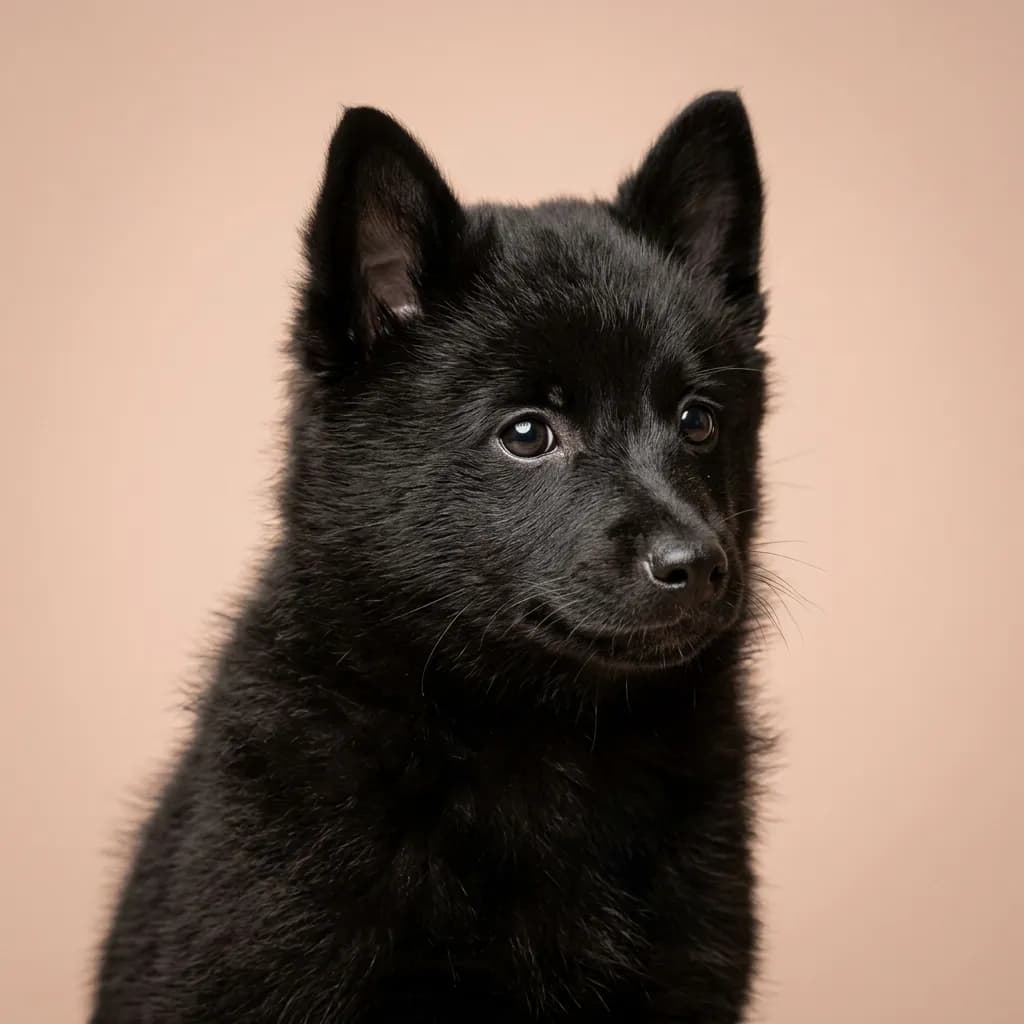
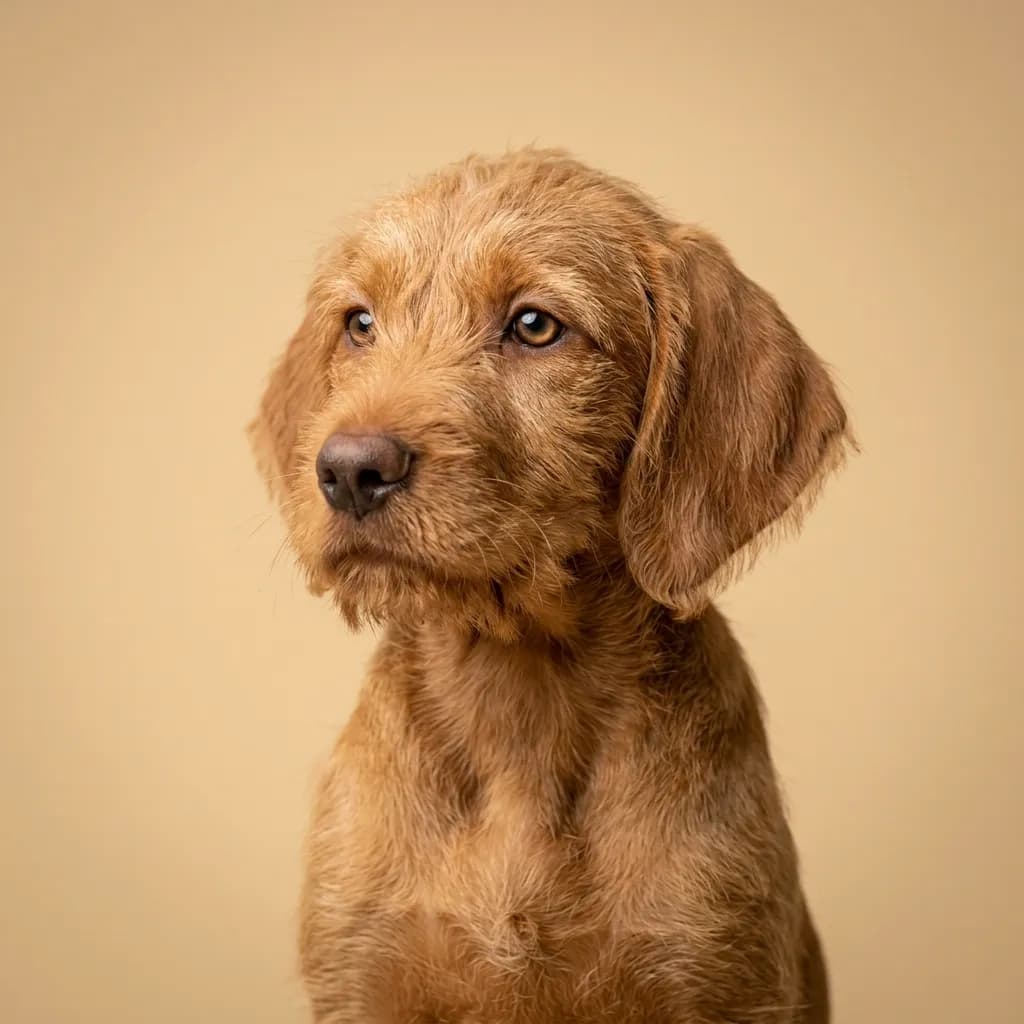
People toss the Schipperke and Wirehaired Vizsla into the same conversation because both are lesser-known, high-energy breeds with wiry coats and a spark in their eyes. But that’s where the similarities end. You’re not choosing between two versions of the same idea—you’re deciding whether you want a feisty little watchdog with a Napoleon complex or a rugged, full-sized hunting companion built for endurance. The Schipperke is the dog who’ll sound the alarm if a leaf blows past the porch. He’s bold, inquisitive, and thrives in a suburban home where he can patrol fences and bond tightly with one or two people. He’s not the best fit if you’re after a lap dog or live with toddlers—he can be snippy with small kids and nervous pets. But for someone who wants a small dog with big-dog attitude and zero interest in being overlooked, he’s gold. The Wirehaired Vizsla? He’s the guy who wants to run point-to-point trails with you, then curl up calmly at your feet. He’s soft on kids, eager to please, and built for owners who hunt, hike, or can commit to two hours of activity daily. He’s not just energetic—he needs mental work. Without it, he’ll dismantle your coffee table out of boredom. Here’s the real talk: The Schipperke thinks he’s the boss. The Wirehaired Vizsla wants to be your teammate. One is a tiny titan of vigilance; the other is a gentle giant with grit. If you’re active but live in a small space, the Schipperke might fit. But if you’re outdoorsy and want a true partner, the Vizsla will change your life—if you can keep up.
Trait-by-trait
Higher bar = more of that trait. Shedding, barking, drooling, grooming flipped for readability.Where they diverge
Choose the Schipperke if…
- Active owners
- Those wanting a small but bold breed
- Suburban or rural settings
- You value watchdog / protective — Schipperke scores noticeably higher.
Choose the Wirehaired Vizsla if…
- Active hunters
- Outdoor enthusiasts
- Experienced dog owners
- You value good with young children — Wirehaired Vizsla scores higher here.