Scottish Deerhound vs Tosa
Side-by-side comparison across all 14 AKC trait ratings, with a clear verdict on which breed fits which kind of household.
Not sure which breed fits your life?
Answer five questions about your home, your schedule, and your tolerance for shedding. We’ll match you to your top three breeds from over 200.
Scottish Deerhound vs Tosa
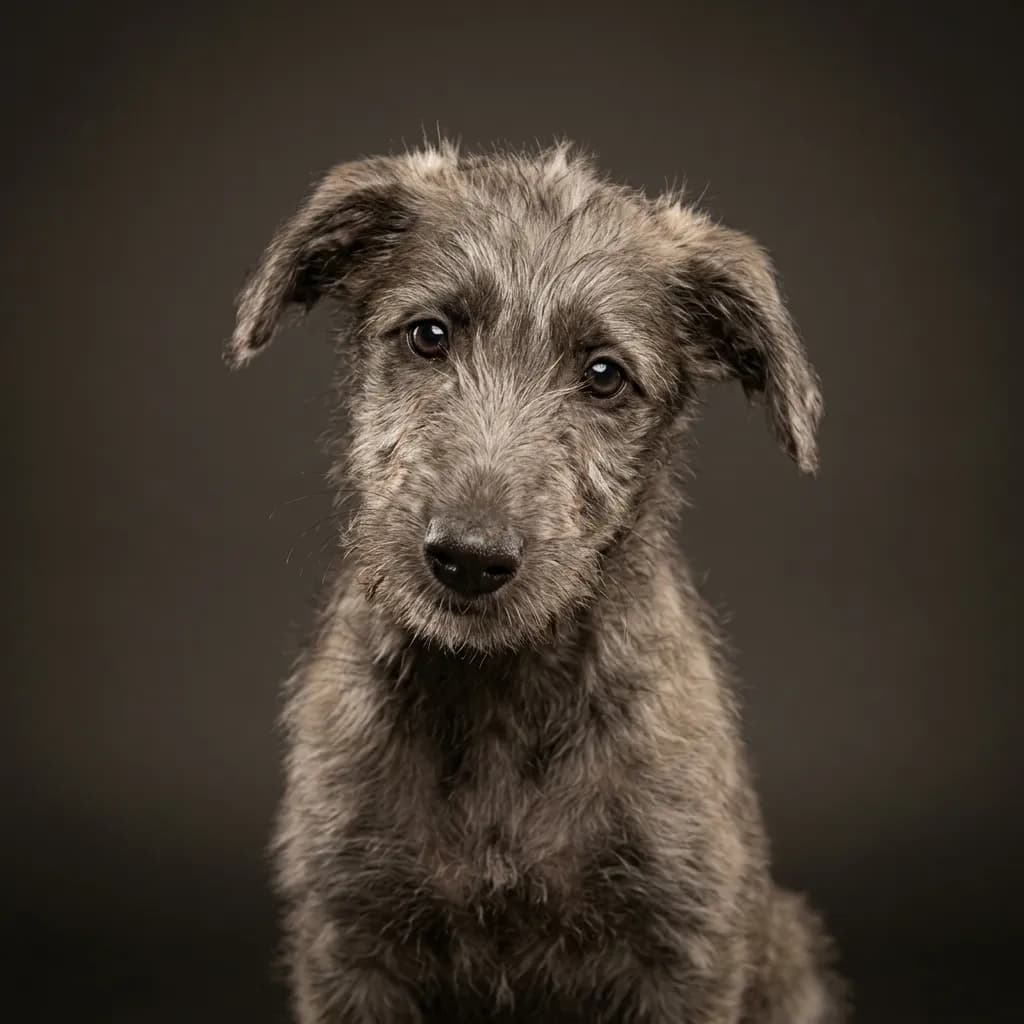
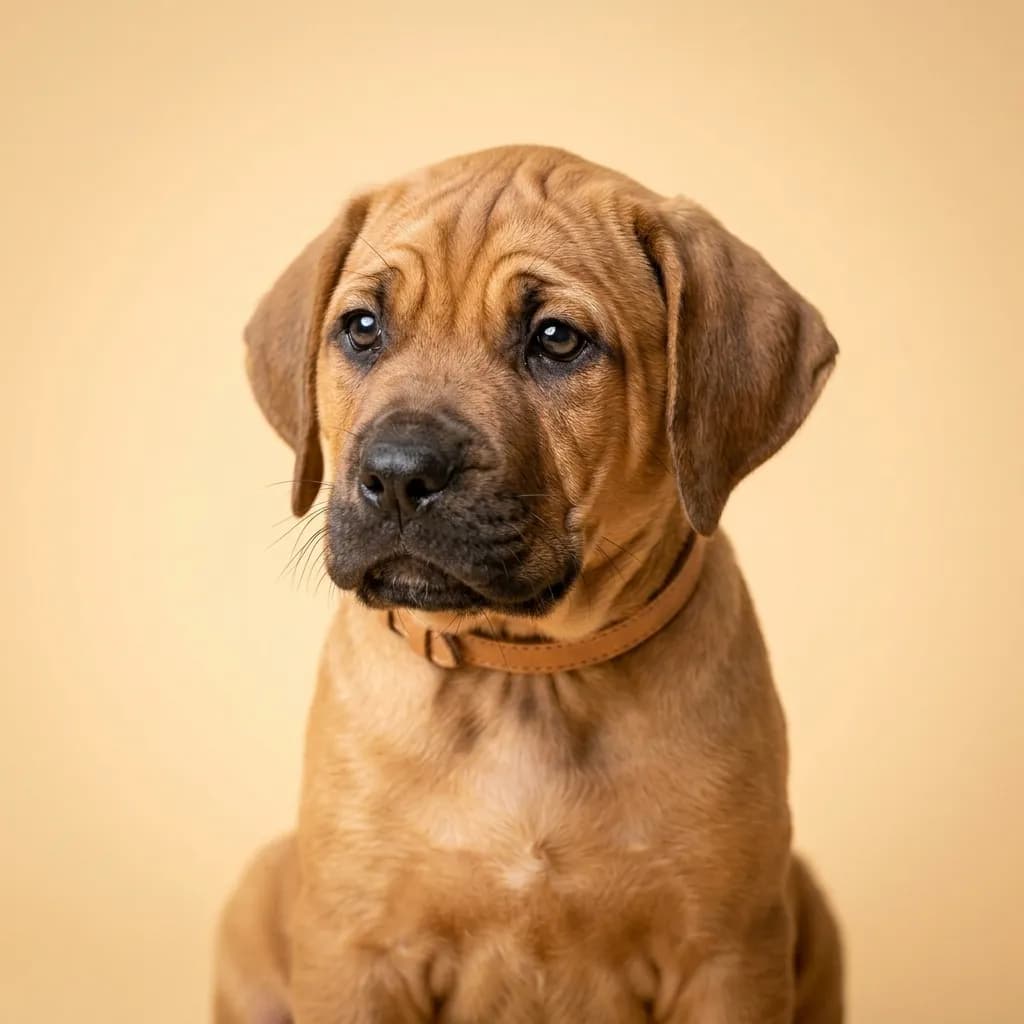
You don’t see people lining up to choose between a Scottish Deerhound and a Tosa every day. But when you do, it’s usually someone captivated by large, dignified dogs with a quiet intensity—someone who wants a gentle giant but isn’t sure what kind of calm they’re after. These two breeds might both tower over coffee tables, but they carry themselves like they’re from different planets. The Deerhound is the poetic one. Lean and lanky, built like a draft horse crossed with a greyhound, it moves with a sad elegance. It was made to chase deer across misty Highland moors, and even today it needs space and routine to thrive. It’s deeply affectionate but not clingy, more like a noble roommate who leans on you during storms. You’ll love its quiet dignity, but brace yourself—8 to 11 years isn’t long, and bloat and heart issues mean vet bills can come fast and hard. The Tosa is heavier in every way. Bred for dog fighting in Japan, it’s now a controlled, deliberate companion. Not aggressive by default, but intensely serious. It’s not the kind of dog that greets guests with a wag—it watches them. It’s patient, even affectionate with its family, but it demands respect and experience. Training one isn’t about obedience so much as mutual understanding. And yes, in some places, it’s banned outright, so you better check your local laws. Here’s the real difference: the Deerhound breaks your heart because it leaves too soon. The Tosa breaks your heart if you underestimate it. Choose the Deerhound if you want a soft soul with a runner’s grace. Choose the Tosa only if you’ve already lived with big, powerful dogs and know silence isn’t always calm—it can be caution.
Trait-by-trait
Higher bar = more of that trait. Shedding, barking, drooling, grooming flipped for readability.Where they diverge
Choose the Scottish Deerhound if…
- Active owners with spacious homes
- Those wanting a gentle giant
- Experienced sighthound owners
- You value good with other dogs — Scottish Deerhound scores noticeably higher.
Choose the Tosa if…
- very experienced large-breed owners
- homes with secure property
- owners seeking a calm giant breed companion
- You value drooling level — Tosa scores higher here.