Sealyham Terrier vs Shiba Inu
Side-by-side comparison across all 14 AKC trait ratings, with a clear verdict on which breed fits which kind of household.
Not sure which breed fits your life?
Answer five questions about your home, your schedule, and your tolerance for shedding. We’ll match you to your top three breeds from over 200.
Sealyham Terrier vs Shiba Inu
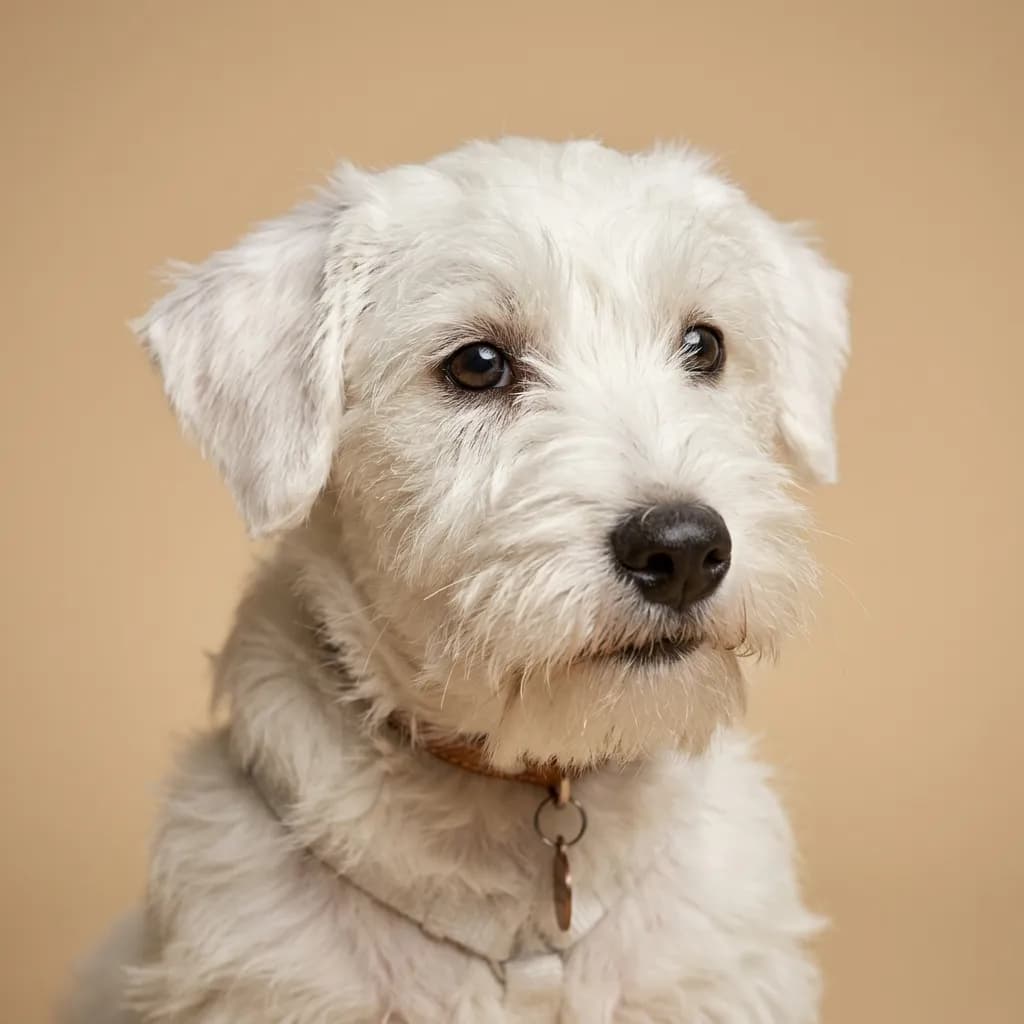
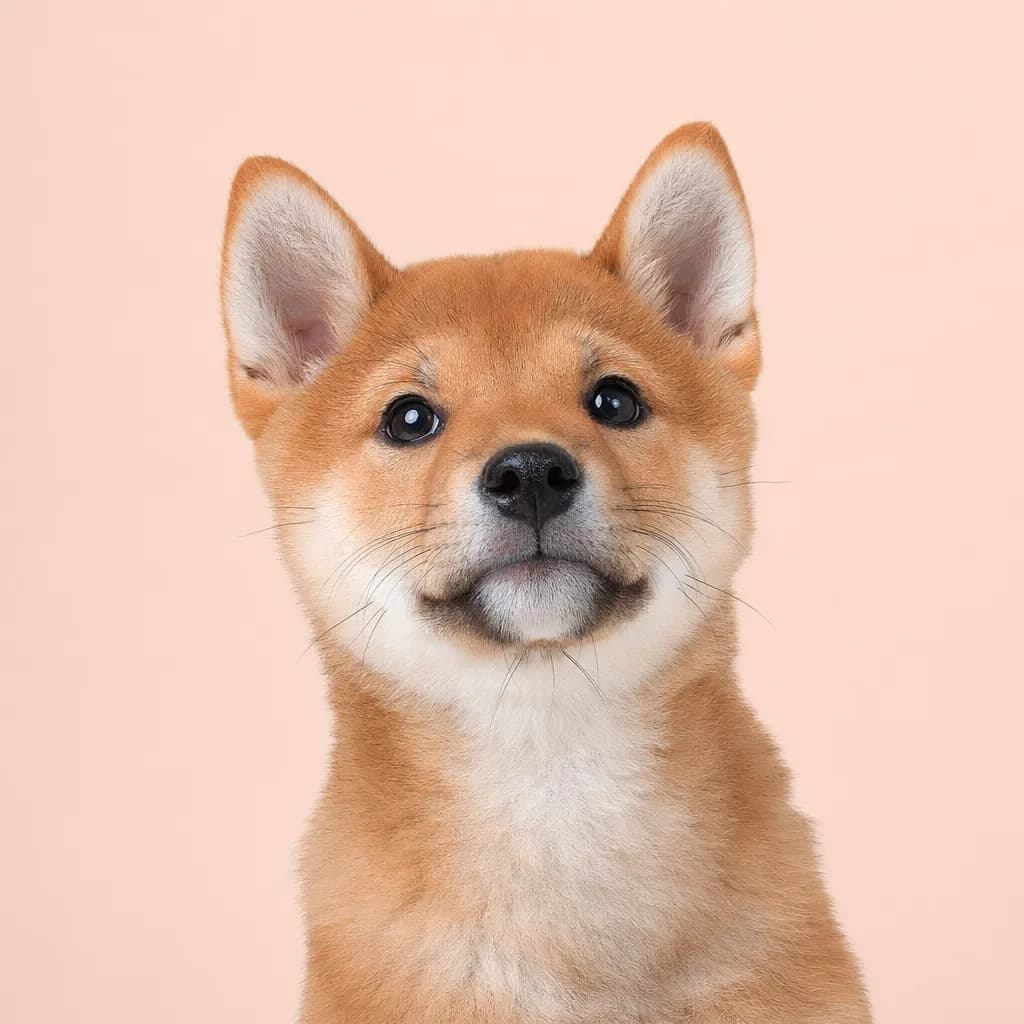
People compare Sealyham Terriers and Shiba Inus because they’re both small, sturdy dogs with bold personalities and a touch of mischief. At first glance, they seem like similar-sized packages—both weighing in under 25 pounds, alert, affectionate, and independent to a degree. But that’s where the real similarities end. The Sealyham is a throwback, a Welsh terrier bred to dig into dens and face down badgers. That history shows in their fearless bark and stubborn streak, but they’re surprisingly adaptable. They’ll thrive in an apartment with an older couple just as well as in a house with a yard, as long as they get daily mental work and a good brushing every few days. They bond deeply, love to clown around, and while they’re not hyper, they’ll bark at the mailman like it’s their job. They’re better with older kids and need patience around training—but they’ll try to please. The Shiba? That’s a different beast. Proud, fastidious, and deeply independent like a cat with a vendetta. They’re not stubborn—they just disagree with your priorities. They’ll learn commands, but only on their terms. You need consistency, experience, and a securely fenced yard because their prey drive is lightning-fast and unforgiving. They’re clean, fastidious dogs, but good luck with off-leash freedom. They’ll look you in the eye and vanish into the woods. If you want a dog that’s quirky but trainable, affectionate but not clingy, and can handle city or country life, the Sealyham’s your bet. If you’re experienced, active, and want a fiercely loyal companion who’ll keep you humble, the Shiba might just own you. Here’s the real talk: the Shiba won’t change for you. You have to change for the Shiba.
Trait-by-trait
Higher bar = more of that trait. Shedding, barking, drooling, grooming flipped for readability.Where they diverge
Choose the Sealyham Terrier if…
- Apartment living
- Seniors
- Those wanting a less active terrier
- You value trainability — Sealyham Terrier scores noticeably higher.
Choose the Shiba Inu if…
- Experienced dog owners
- Those wanting a cat-like independence
- Active owners