Sealyham Terrier vs Shikoku
Side-by-side comparison across all 14 AKC trait ratings, with a clear verdict on which breed fits which kind of household.
Not sure which breed fits your life?
Answer five questions about your home, your schedule, and your tolerance for shedding. We’ll match you to your top three breeds from over 200.
Sealyham Terrier vs Shikoku
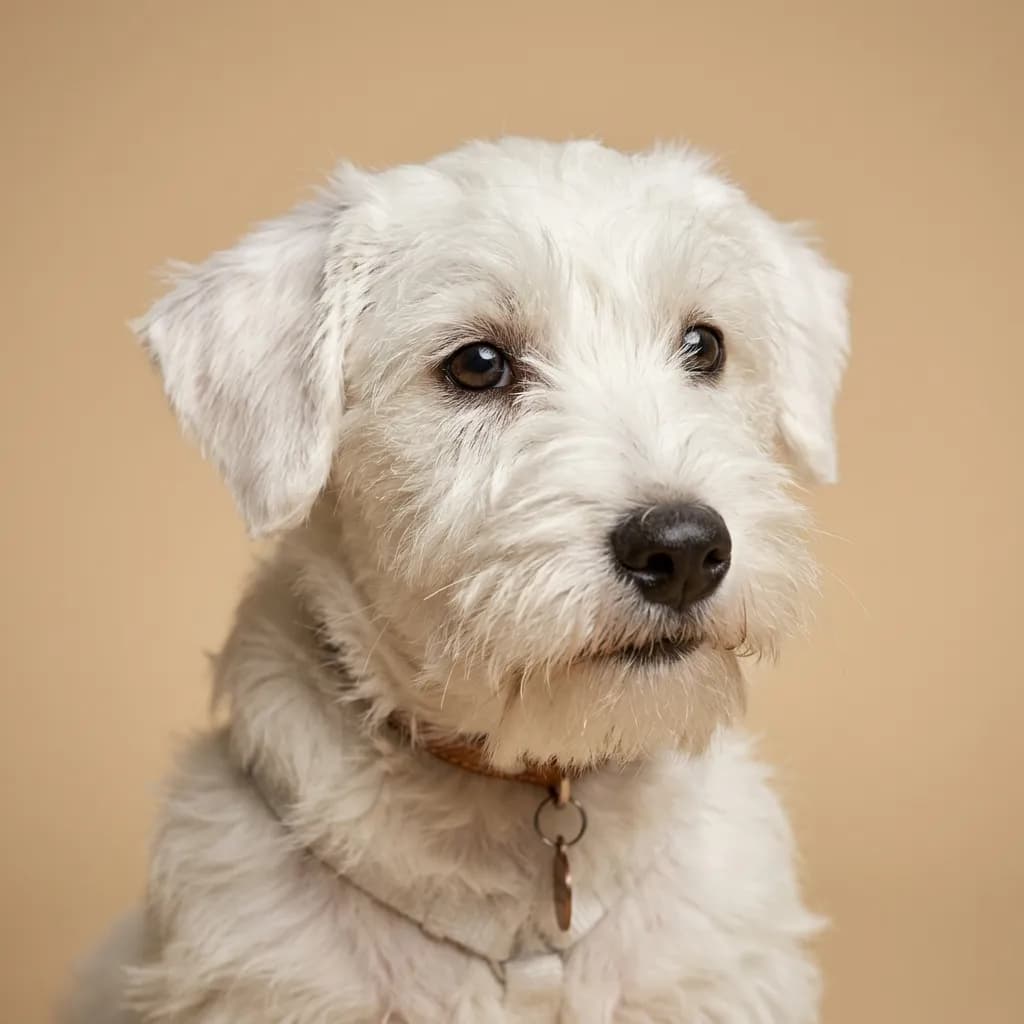
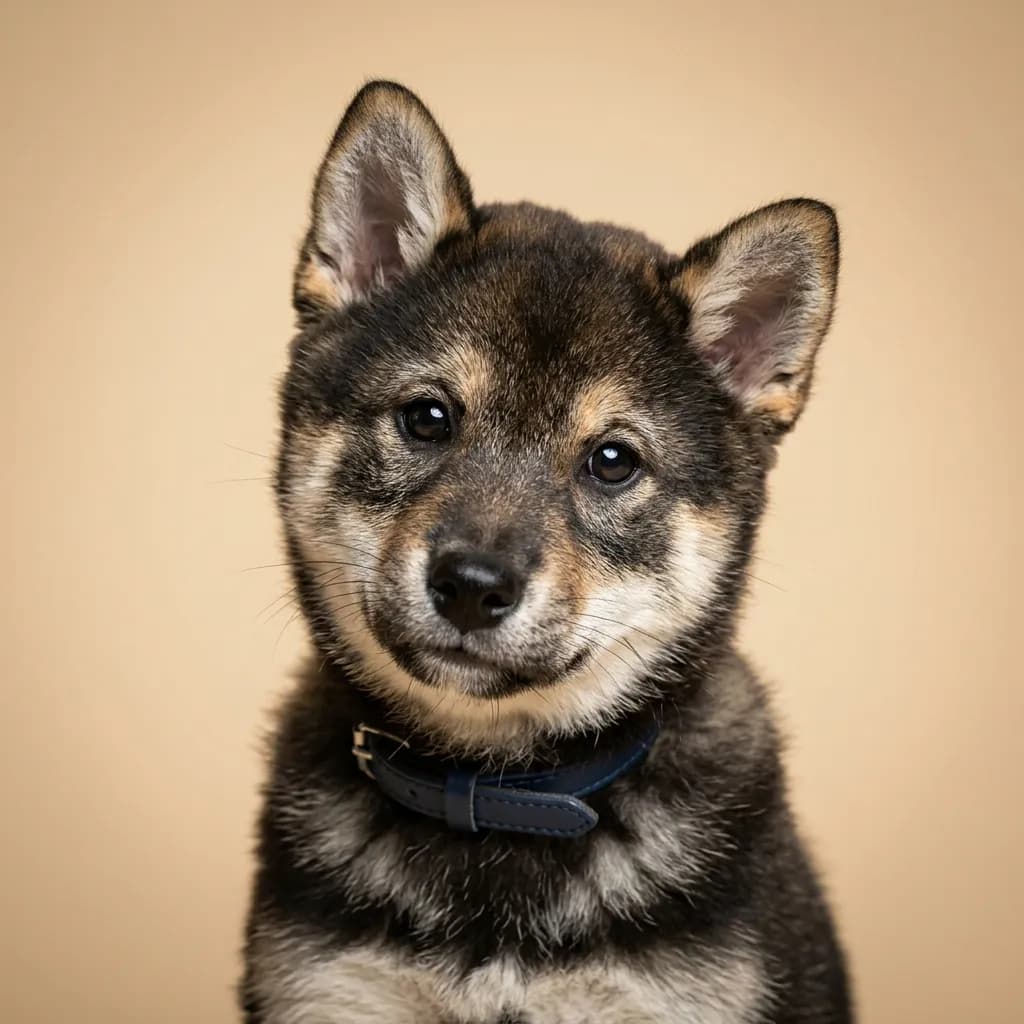
People don’t usually pit a Sealyham Terrier against a Shikoku unless they’re deep in the dog world, searching for something rare with backbone. Both are uncommon, both have strong histories as hunters, and both demand attention for different reasons. But that’s where the similarities end. The Sealyham is a little Welsh firecracker with a sense of humor and a stubborn streak. At under 25 pounds, it’s built low and solid, perfect for squeezing into dens after foxes. You’ll find it happy on a walk or napping on your lap, equally at home in a city apartment or a countryside cottage. It bonds deeply with its people, laughs at chaos, and will bark at the mail carrier like it’s a personal offense. Grooming isn’t optional—it’s a weekly must. And while it’s affectionate, it’s not always a kid’s playmate. It tolerates older children better than toddlers. The Shikoku, by contrast, is mountain-built. From Japan’s rugged island of the same name, it’s 50 pounds of alert independence. It’s not clingy, not particularly eager to please, and it moves with a quiet intensity. You won’t find many of these outside of dedicated breed enthusiasts. It thrives with a job, loves trail runs, and needs space—both physically and mentally. It’s not the kind of dog that settles easily in a condo. Here’s the real talk: the Sealyham wants to be your quirky best friend. The Shikoku respects you, but it’s not your buddy. It’s more partner than pal. Choose the Sealyham if you want a small, personable dog with terrier spark but not constant motion. Pick the Shikoku only if you’ve got experience, space, and a love for dogs that think for themselves. One’s a companion. The other’s a relic of the wild.
Trait-by-trait
Higher bar = more of that trait. Shedding, barking, drooling, grooming flipped for readability.Where they diverge
Choose the Sealyham Terrier if…
- Apartment living
- Seniors
- Those wanting a less active terrier
- You value affectionate w/ family — Sealyham Terrier scores noticeably higher.
Choose the Shikoku if…
- Experienced dog owners
- Active outdoor enthusiasts
- Those wanting a primitive, independent breed