Segugio Italiano vs Shikoku
Side-by-side comparison across all 14 AKC trait ratings, with a clear verdict on which breed fits which kind of household.

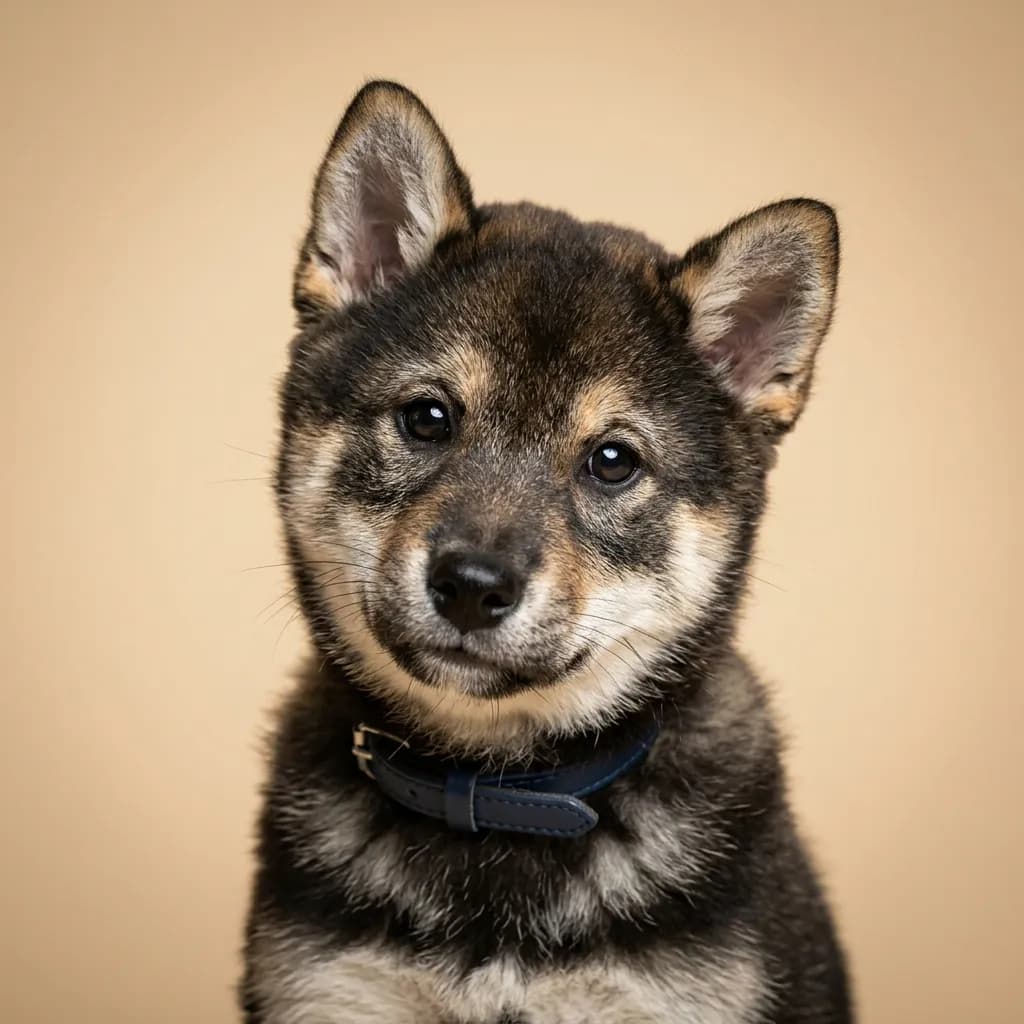
Not sure which breed fits your life?
Answer five questions about your home, your schedule, and your tolerance for shedding. We’ll match you to your top three breeds from over 200.
Segugio Italiano vs Shikoku
People compare the Segugio Italiano and Shikoku because both are rare, ancient hunting hounds with lean builds, sharp instincts, and that “wild soul” energy you can’t fake. They look similar on paper—medium-sized, active, not for couch potatoes—but living with one versus the other? That’s where the paths split hard. The Segugio is the social, barky Italian cousin who wants to be part of your life. He’ll follow you from yard to kitchen, point out every squirrel with a full-throated alert, and work tirelessly if you’re tracking game. He bonds deeply, thrives on involvement, and while he’s not the easiest to train, he wants to please. But don’t be fooled by his 4/5 affection score—he’s not a sit-in-your-lap dog, he’s a run-beside-you-for-miles dog. And if you live in an apartment or hate barking, he’ll drive you nuts. The Shikoku, by contrast, is more reserved, more intense. He’s bred to climb mountain trails and trail boar alone, and that independence runs deep. He’s alert and athletic, but quieter, more observant. He’ll bond tightly with one or two people but may stay aloof with strangers or kids. He needs space and purpose, but not constant interaction. If you want a dog who’ll look you in the eye and decide whether to obey, this is your breed. Here’s the real talk: both need experienced hands, but for different reasons. The Segugio needs management—fencing, mental work, outlets for that voice. The Shikoku needs leadership—he won’t volunteer effort just to make you happy. Choose the Segugio if you want a passionate, vocal partner in an active rural life. Choose the Shikoku if you respect quiet intensity and don’t mind a dog who keeps one paw in the ancient world.
Trait-by-trait
Higher bar = more of that trait. Shedding, barking, drooling, grooming flipped for readability.Where they diverge
Choose the Segugio Italiano if…
- hunters
- active families
- experienced hound owners
- You value good with other dogs — Segugio Italiano scores noticeably higher.
Choose the Shikoku if…
- Experienced dog owners
- Active outdoor enthusiasts
- Those wanting a primitive, independent breed
- You value coat grooming — Shikoku scores higher here.