Shetland Sheepdog vs Working Kelpie
Side-by-side comparison across all 14 AKC trait ratings, with a clear verdict on which breed fits which kind of household.

Not sure which breed fits your life?
Answer five questions about your home, your schedule, and your tolerance for shedding. We’ll match you to your top three breeds from over 200.
Shetland Sheepdog vs Working Kelpie
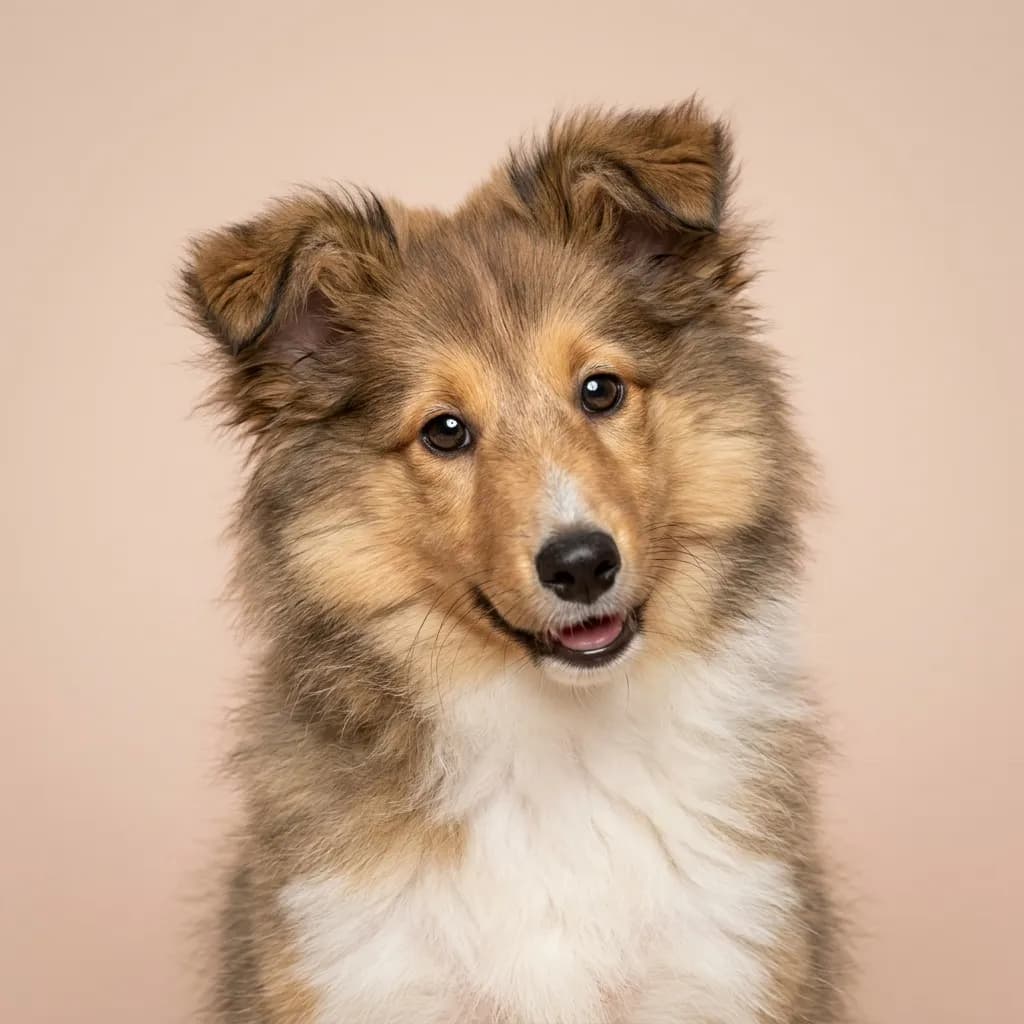
People compare Shetland Sheepdogs and Working Kelpies because they’re both sharp, agile herding breeds with boundless energy and brains to burn. At first glance, they even look a bit alike—lean, alert, always ready to move. But behind that similar spark lies two very different lifestyles. The Sheltie is your suburban herding dog. Compact, deeply bonded, and eager to please, they thrive in family life. They’ll learn tricks fast, sit politely for photos, and curl up on the couch after a game of fetch. Their barking can be relentless—they’re watchdogs at heart—but their size and adaptability make them a favorite for active homes, even in the city. You’ll spend time brushing them twice a week, but grooming is manageable. The Working Kelpie? That’s a whole different mission. Bred to cover miles of rugged Australian outback, they live to work. They’re bigger, tougher, and far less interested in cuddling. A Kelpie wants a job—herding, agility, long trail runs—something that challenges them for hours. They’re not yappy, but they’re intense. You don’t just walk a Kelpie. You partner with one. Here’s the real difference: a Sheltie will adjust to your life. A Kelpie demands you adjust to theirs. Families wanting an affectionate, trainable dog that fits into daily life? Go Sheltie. But if you’re a rancher, trail runner, or need a dog that’s always working beside you—don’t even consider a Sheltie. Get the Kelpie. Just don’t expect a lap dog. You’re not just getting a pet. You’re signing up for a full-time working relationship.
Trait-by-trait
Higher bar = more of that trait. Shedding, barking, drooling, grooming flipped for readability.Where they diverge
Choose the Shetland Sheepdog if…
- Families with children
- Active owners
- Dog sports enthusiasts
- You value affectionate w/ family — Shetland Sheepdog scores noticeably higher.
Choose the Working Kelpie if…
- Farmers and ranchers
- Experienced dog owners
- Active rural lifestyles
- You value good with strangers — Working Kelpie scores higher here.