Shiba Inu vs Wetterhoun
Side-by-side comparison across all 14 AKC trait ratings, with a clear verdict on which breed fits which kind of household.
Not sure which breed fits your life?
Answer five questions about your home, your schedule, and your tolerance for shedding. We’ll match you to your top three breeds from over 200.
Shiba Inu vs Wetterhoun
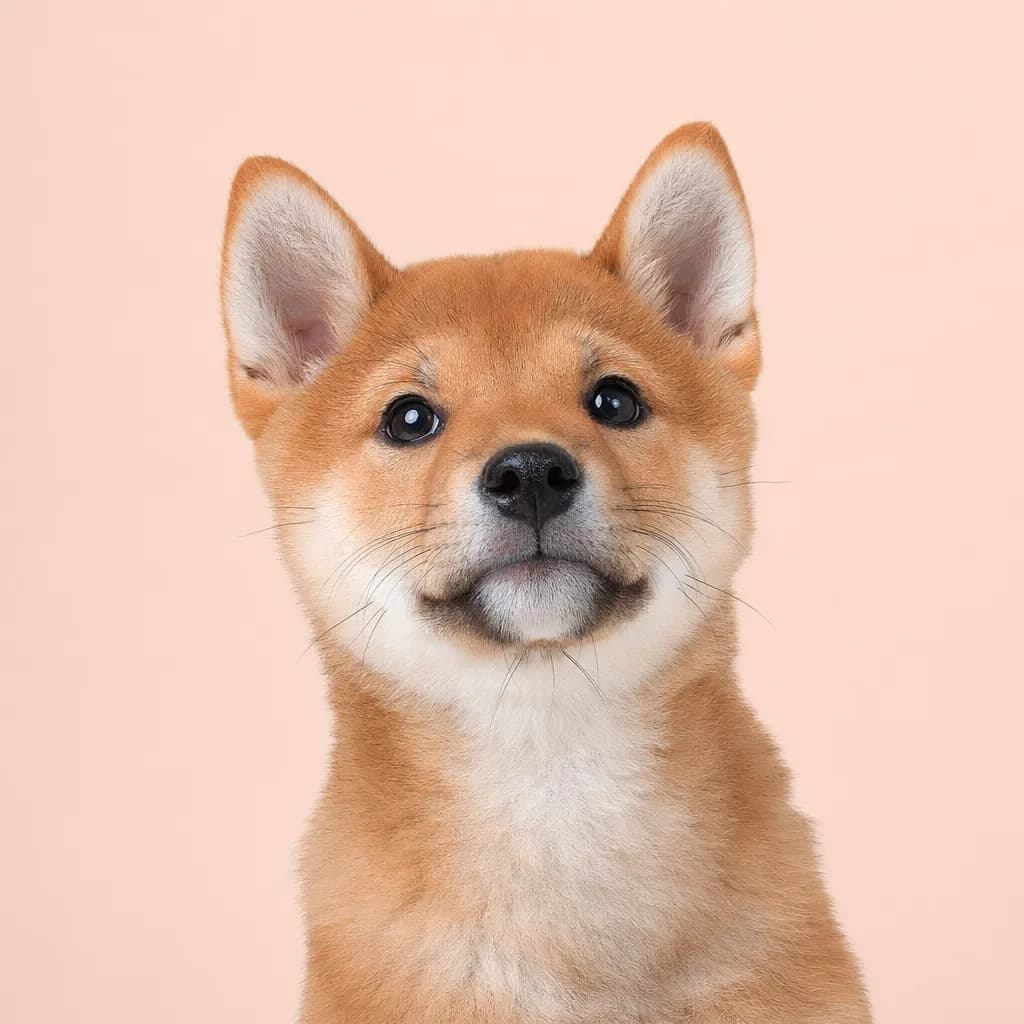
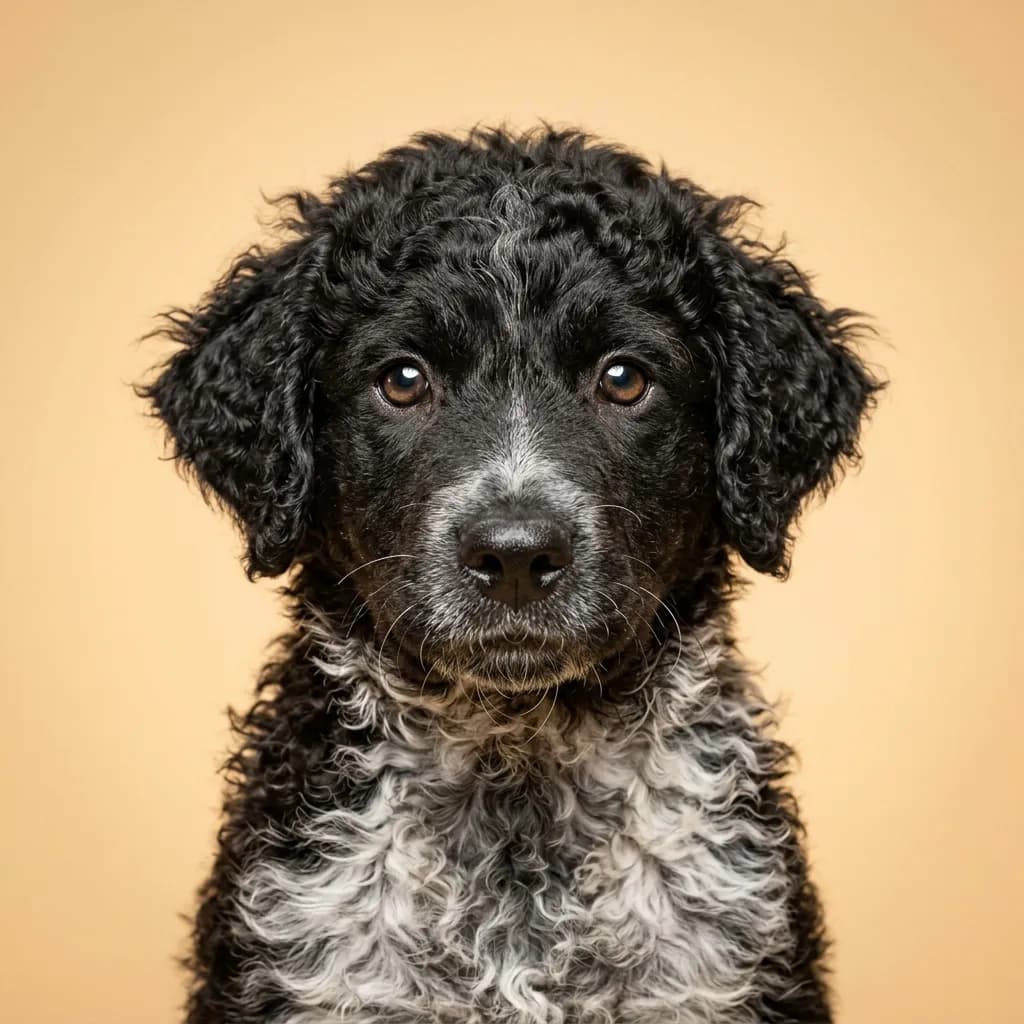
You don’t see Shiba Inus and Wetterhouns compared often—on paper, they’re worlds apart. But deep down, people are drawn to both for the same reason: they want a rare dog with a strong will and a wild heart. One’s a fox-faced charmer from Japanese mountains, the other a shaggy, web-footed hunter from Dutch marshlands. Both are independent, stubborn in their own ways, and not handed out like welcome wafers at pet stores. The Shiba Inu is compact, intense, and wired like a coiled spring. You’ll need a fence—no, two fences—because that instinct to chase small things never fades. They’re affectionate on their terms, aloof with strangers, and famously difficult to train. Think cat with a bark button. They thrive with owners who respect their space and keep their minds busy. If you hike, do dog sports, or enjoy a dog that watches you like you’re the odd one—great. But if you want a best friend who comes when called? You’ll be frustrated. The Wetterhoun is heavier, calmer, built for cold water and long days in the field. They’re rare, even in Europe, and they demand purpose. These dogs are loyal and gentle with family but need early socialization and consistent training. They’re not barkers, they don’t shed much, and they’re happiest when working or romping in wet, open spaces. Apartment life won’t cut it. Here’s the real talk: both breeds will outsmart you. But while the Shiba will ignore you with a smirk, the Wetterhoun will pretend he never heard you in the first place. Choose the Shiba if you want spirited elegance in a small package. Choose the Wetterhoun if you live on a farm, hunt, or want a quiet, rugged companion who loves rain more than sunshine. And whichever you pick—never assume you’re in charge. They’ve both been working longer than you’ve been alive.
Trait-by-trait
Higher bar = more of that trait. Shedding, barking, drooling, grooming flipped for readability.Where they diverge
Choose the Shiba Inu if…
- Experienced dog owners
- Those wanting a cat-like independence
- Active owners
- You value watchdog / protective — Shiba Inu scores noticeably higher.
Choose the Wetterhoun if…
- hunters
- active rural owners
- experienced sporting dog owners