Shih Tzu vs Tibetan Mastiff
Side-by-side comparison across all 14 AKC trait ratings, with a clear verdict on which breed fits which kind of household.

Not sure which breed fits your life?
Answer five questions about your home, your schedule, and your tolerance for shedding. We’ll match you to your top three breeds from over 200.
Shih Tzu vs Tibetan Mastiff
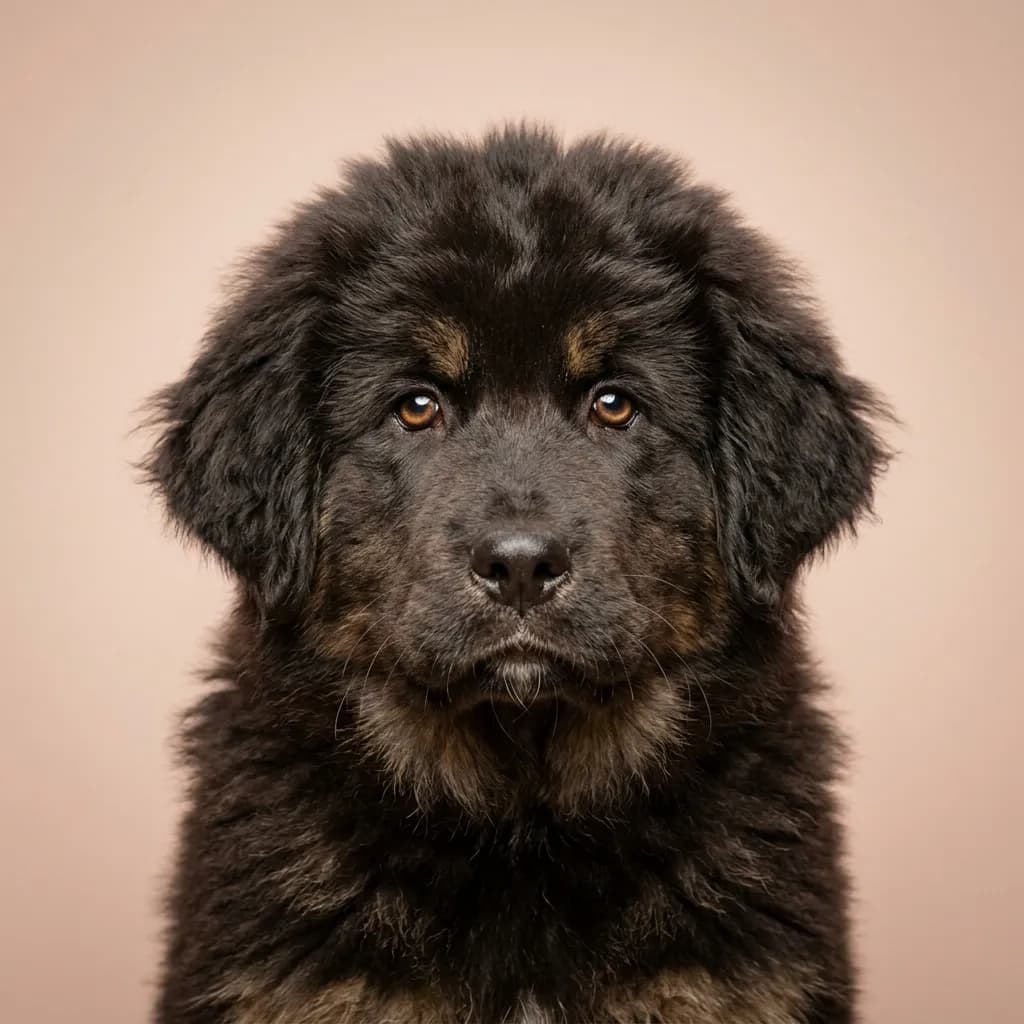
You might wonder why anyone would compare a Shih Tzu and a Tibetan Mastiff—one’s a lapdog, the other a mountain-sized guardian. But both hail from ancient China, both have regal histories, and both carry that proud, lion-like mane. If you're drawn to their looks or heritage, it’s easy to start there. But that’s where the similarity ends. The Shih Tzu is built for life in your living room. Weighing as little as nine pounds, this outgoing little guy thrives on cuddles, does fine in apartments, and gets along great with gentle kids and even allergy sufferers thanks to minimal shedding. He’s happy with a short walk and some playtime, and he’ll follow you from room to room like a furry shadow. But he needs daily grooming, and those flat-face features mean he can’t handle heat or heavy exercise. Now picture the Tibetan Mastiff—some call them “gentle giants,” but they’re more like silent sentinels. These dogs weigh up to 150 pounds and were bred to patrol Himalayan plateaus at night, guarding flocks from predators. They’re independent thinkers, not eager-to-please like the Shih Tzu, and they need experienced hands. They’re not for city life or first-time owners. They bark when they sense something’s off, shed heavily, and need space and structure. Here’s the real difference: the Shih Tzu wants to be part of your life. The Tibetan Mastiff will allow you to be part of his. Choose the Shih Tzu if you want affection on tap and a portable companion. Pick the Mastiff only if you’re ready for a lifelong commitment to a dog that’s more like a quiet, watchful roommate than a clingy cuddler. And don’t be fooled by the shared ancestry—what you’re choosing isn’t just size. It’s lifestyle.
Trait-by-trait
Higher bar = more of that trait. Shedding, barking, drooling, grooming flipped for readability.Where they diverge
Choose the Shih Tzu if…
- Apartment living
- Seniors
- Families with gentle children
- You value good with young children — Shih Tzu scores noticeably higher.
Choose the Tibetan Mastiff if…
- Experienced large-breed owners
- Cold climate households
- Those wanting a serious guardian breed
- You value shedding level — Tibetan Mastiff scores higher here.