Shikoku vs Soft Coated Wheaten Terrier
Side-by-side comparison across all 14 AKC trait ratings, with a clear verdict on which breed fits which kind of household.
Not sure which breed fits your life?
Answer five questions about your home, your schedule, and your tolerance for shedding. We’ll match you to your top three breeds from over 200.
Shikoku vs Soft Coated Wheaten Terrier
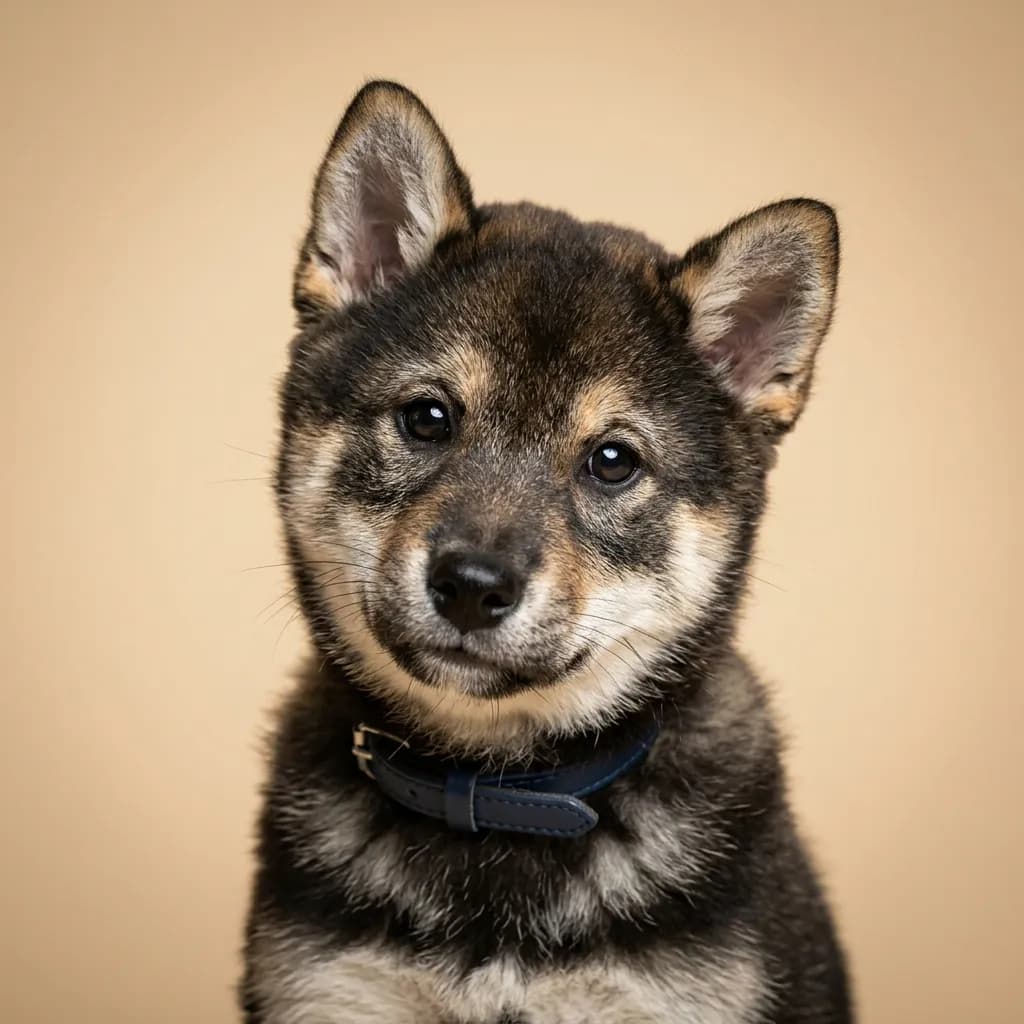
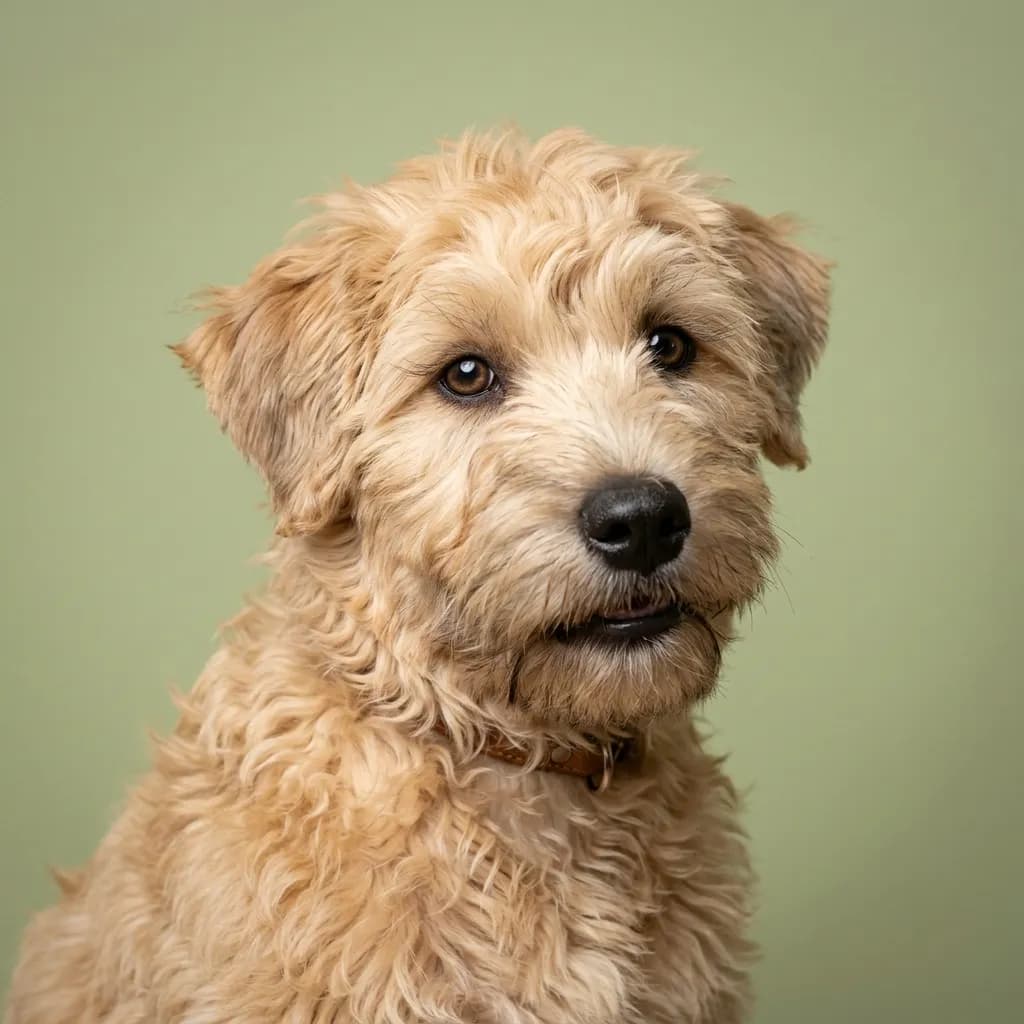
People compare the Shikoku and the Soft Coated Wheaten Terrier because they’re both medium-sized, active dogs with a certain rustic charm and a love for the outdoors. But that’s where the similarities end. These breeds come from opposite ends of the world—and opposite ends of the dog personality spectrum. The Shikoku is a mountain dog from rural Japan, built for rugged terrain and independent thinking. It’s alert and intense, with a mind that’s always working. You’ll need to earn its cooperation; it won’t hand it over like the Wheaten. The Wheaten, by contrast, is an Irish farmhand with a wagging tail and a need to be part of everything you do. It’s goofy, affectionate, and will follow you from room to room just to be close. If you’re an experienced owner who hikes, backpacks, or values a dog with wild instincts, the Shikoku might feel like a rare gem. But it’s not for the faint of heart. It’s less adaptable to city life, harder to train, and can be standoffish with strangers and small pets. The Wheaten is the opposite—great with kids, low-shedding (a big plus for allergy sufferers), and eager to please. But don’t be fooled by the fluffy coat. That hair needs weekly brushing and trims every few months. Skip grooming, and you’ll have a matted mess. Here’s the real talk: the Shikoku thrives when it has a job and a leader. Without both, it’ll make its own rules. The Wheaten just wants to love you and be loved back—loudly and constantly. Pick the Shikoku if you want a partner in adventure who respects you. Pick the Wheaten if you want a dog who feels like family from day one.
Trait-by-trait
Higher bar = more of that trait. Shedding, barking, drooling, grooming flipped for readability.Where they diverge
Choose the Shikoku if…
- Experienced dog owners
- Active outdoor enthusiasts
- Those wanting a primitive, independent breed
- You value shedding level — Shikoku scores noticeably higher.
Choose the Soft Coated Wheaten Terrier if…
- Active families
- Allergy sufferers
- Families with children
- You value affectionate w/ family — Soft Coated Wheaten Terrier scores higher here.