Shikoku vs Tosa
Side-by-side comparison across all 14 AKC trait ratings, with a clear verdict on which breed fits which kind of household.
Not sure which breed fits your life?
Answer five questions about your home, your schedule, and your tolerance for shedding. We’ll match you to your top three breeds from over 200.
Shikoku vs Tosa
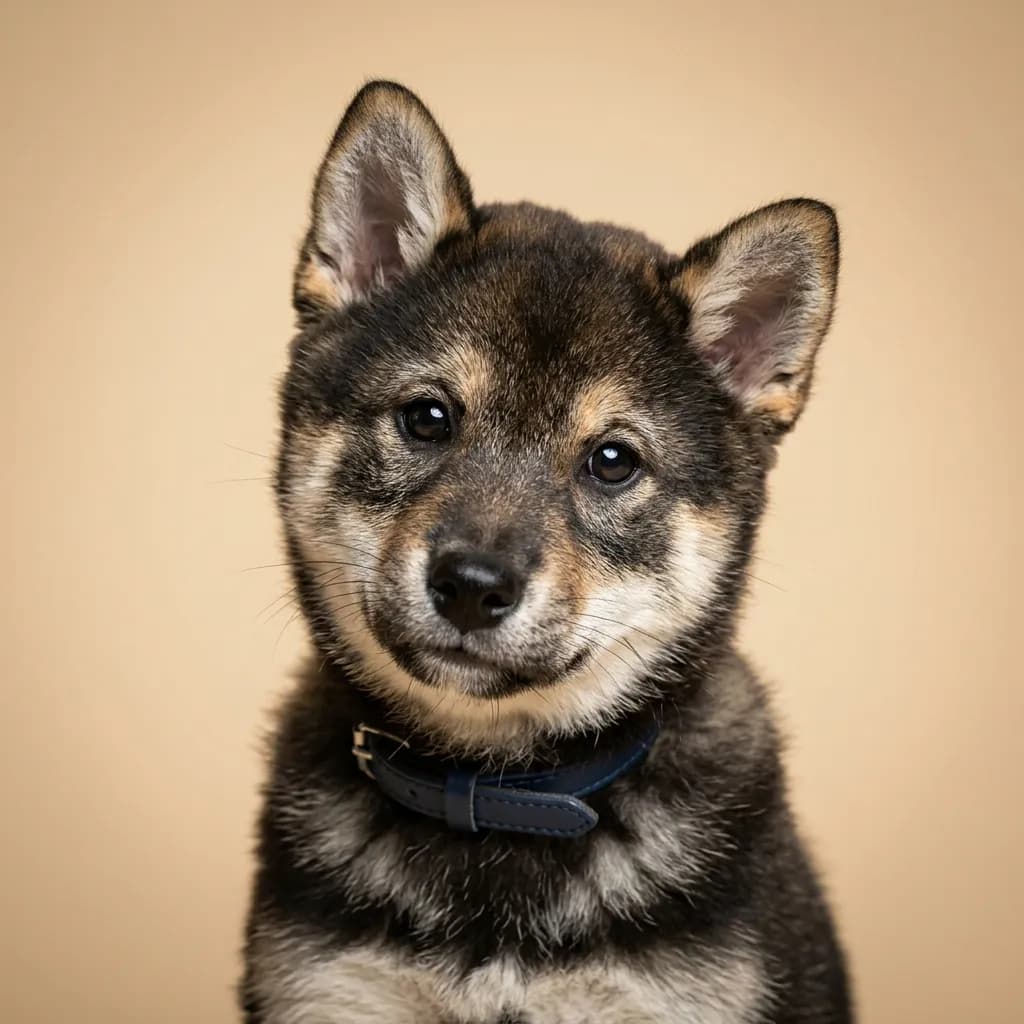
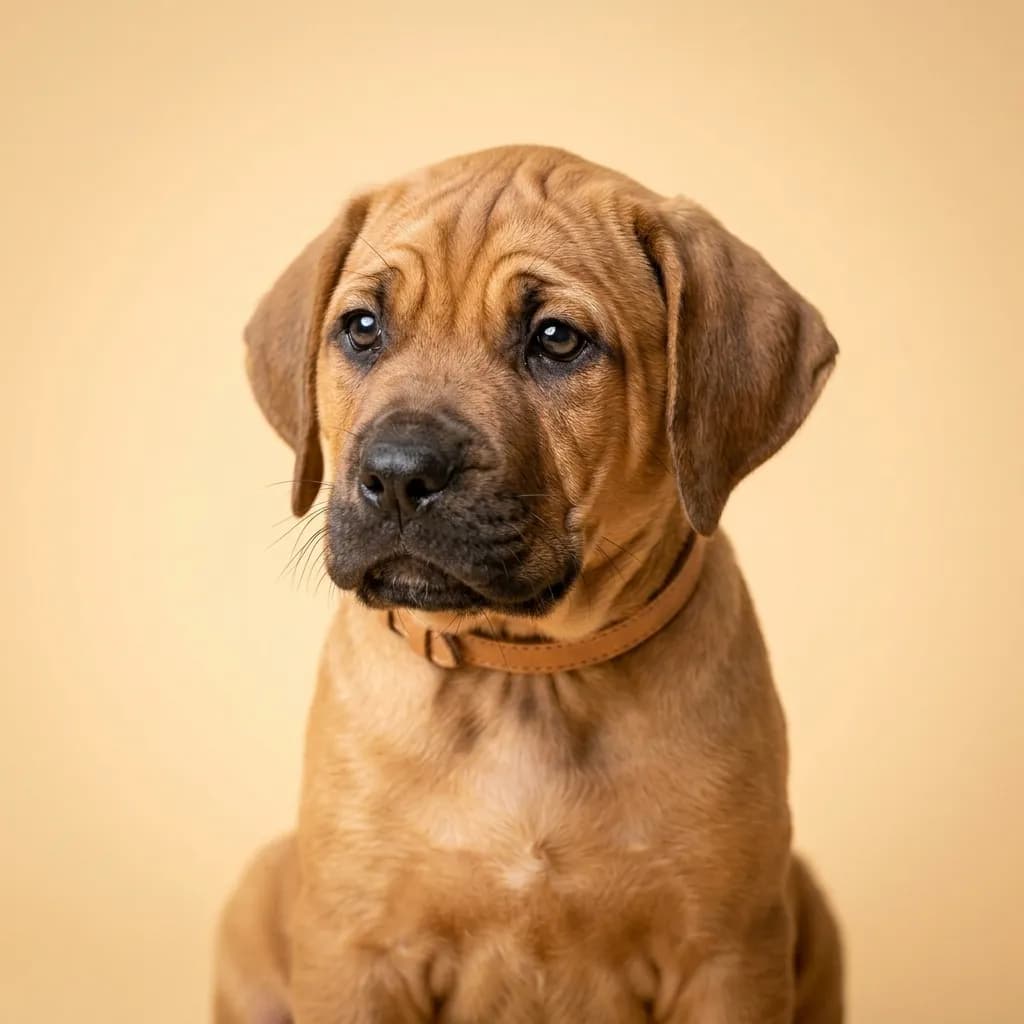
You don’t see a Shikoku and a Tosa side by side at dog parks—because one might need a park the size of a mountain range, and the other probably wouldn’t fit through the gate. People compare them mostly because they’re both rare Japanese breeds with ancient roots and FSS status, but that’s where the family resemblance ends. One’s a wiry, compact hunter built for scrambling up cliffs. The other is a silent, broad-shouldered giant who moves like a tank with manners. The Shikoku is all spark and instinct. He’s the dog who’ll bolt after a squirrel without checking in, bred to track boar through dense forests on Shikoku Island. He’s not stubborn—he just thinks for himself. That independence means he needs an owner who speaks fluent “dog” and doesn’t expect constant eye contact. He’s not for someone who wants a couch potato. He needs space, challenges, and a job, even if that job is just a long, off-leash hike. The Tosa, in contrast, is calm to the point of zen. He’s a 150-pound shadow who lounges like a king but guards like a sentinel. Originally bred for dog fighting in Japan, modern Tosas are reared for composure, not combat. But that history means they come with intense loyalty, wariness of strangers, and a need for early, expert socialization. They’re surprisingly gentle with kids they know, but their sheer size makes missteps dangerous. Here’s the real talk: both are not beginner dogs. But for different reasons. The Shikoku will outthink you. The Tosa will outweigh you. Choose the Shikoku if you want a partner in adventure who thrives on independence. Choose the Tosa if you want a colossal companion who’s quiet, affectionate, and demands respect—not just from strangers, but from you.
Trait-by-trait
Higher bar = more of that trait. Shedding, barking, drooling, grooming flipped for readability.Where they diverge
Choose the Shikoku if…
- Experienced dog owners
- Active outdoor enthusiasts
- Those wanting a primitive, independent breed
- You value good with other dogs — Shikoku scores noticeably higher.
Choose the Tosa if…
- very experienced large-breed owners
- homes with secure property
- owners seeking a calm giant breed companion
- You value drooling level — Tosa scores higher here.