Shikoku vs Weimaraner
Side-by-side comparison across all 14 AKC trait ratings, with a clear verdict on which breed fits which kind of household.

Not sure which breed fits your life?
Answer five questions about your home, your schedule, and your tolerance for shedding. We’ll match you to your top three breeds from over 200.
Shikoku vs Weimaraner
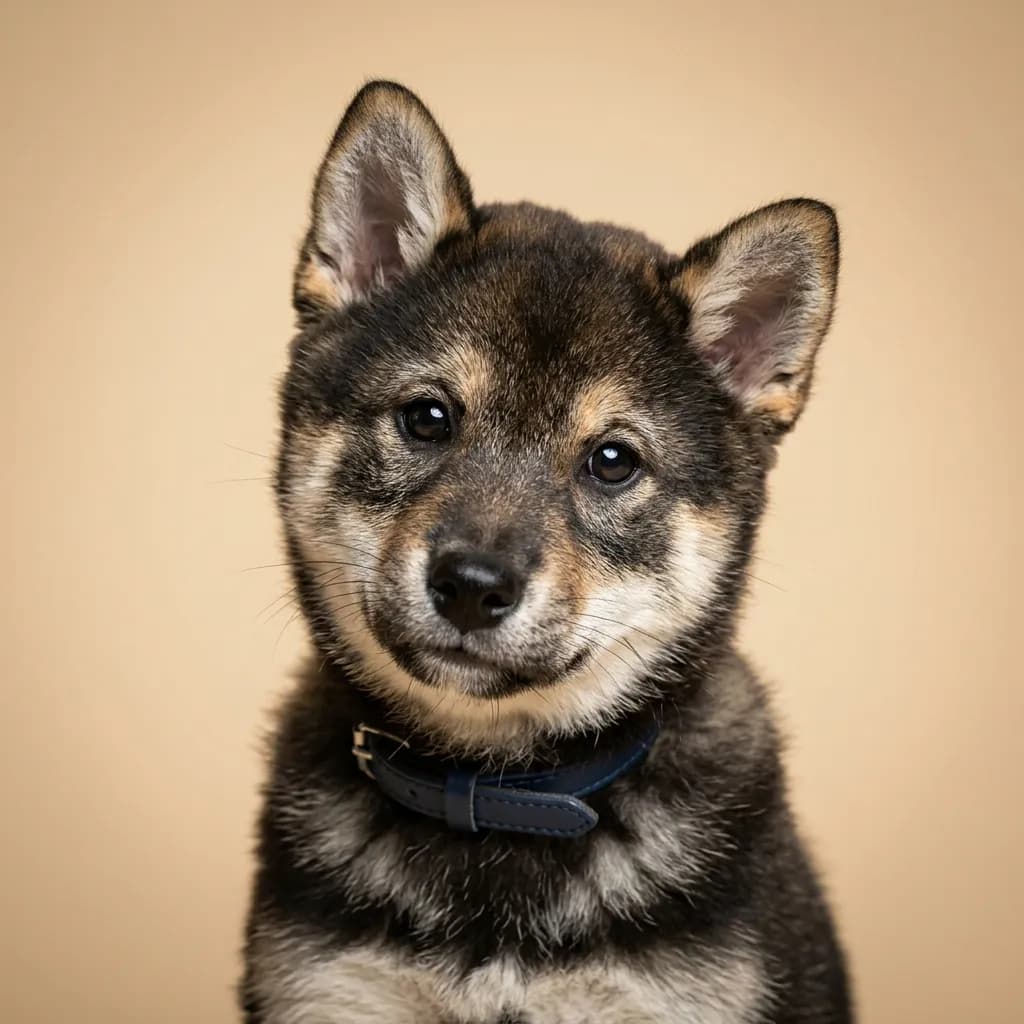
People compare Shikokus and Weimaraners because both are athletic, hunting-bred dogs with strong instincts and striking looks. On the surface, they seem like two paths to a loyal outdoor companion. But living with one versus the other? That’s where things get real. The Shikoku is a stealthy, compact hunter from Japan’s mountain forests, built for independence. It’s not that they won’t listen—they’re smart as hell—but they’ll assess whether your command is worth following. That makes them a poor fit for first-time owners. They bond deeply with their people but stay reserved with strangers and can be unpredictable around cats or small animals. You need to earn their cooperation, and they thrive on mental puzzles, trail hikes, and structured challenges. If you’re gone for eight hours, they’ll be fine—bored, maybe, but not destructive in the way a Weimaraner would be. The Weimaraner, in contrast, is a full-body lean into devotion. Big, silver-gray, and intensely attached, they live to be with you, follow you, and do whatever you ask—provided you’ve trained them consistently. They’re more adaptable than Shikokus, fitting into active family life with kids and dogs alike, but they suffer when left alone. Crate, chew your couch, bark at shadows—loneliness turns them into emotional hurricanes. They need daily physical and mental output, yes, but more than that, they need partnership. Here’s the insight no chart captures: the Shikoku respects competence. The Weimaraner craves connection. Choose the Shikoku if you want a self-reliant partner in adventure. Choose the Weimaraner if you want a dog that feels like family—and you’re ready to show up for them, every single day.
Trait-by-trait
Higher bar = more of that trait. Shedding, barking, drooling, grooming flipped for readability.Where they diverge
Choose the Shikoku if…
- Experienced dog owners
- Active outdoor enthusiasts
- Those wanting a primitive, independent breed
- You value coat grooming — Shikoku scores noticeably higher.
Choose the Weimaraner if…
- Active families with space
- Hunters
- Runners and hikers
- You value affectionate w/ family — Weimaraner scores higher here.