Slovakian Wirehaired Pointer vs Stabyhoun
Side-by-side comparison across all 14 AKC trait ratings, with a clear verdict on which breed fits which kind of household.
Not sure which breed fits your life?
Answer five questions about your home, your schedule, and your tolerance for shedding. We’ll match you to your top three breeds from over 200.
Slovakian Wirehaired Pointer vs Stabyhoun
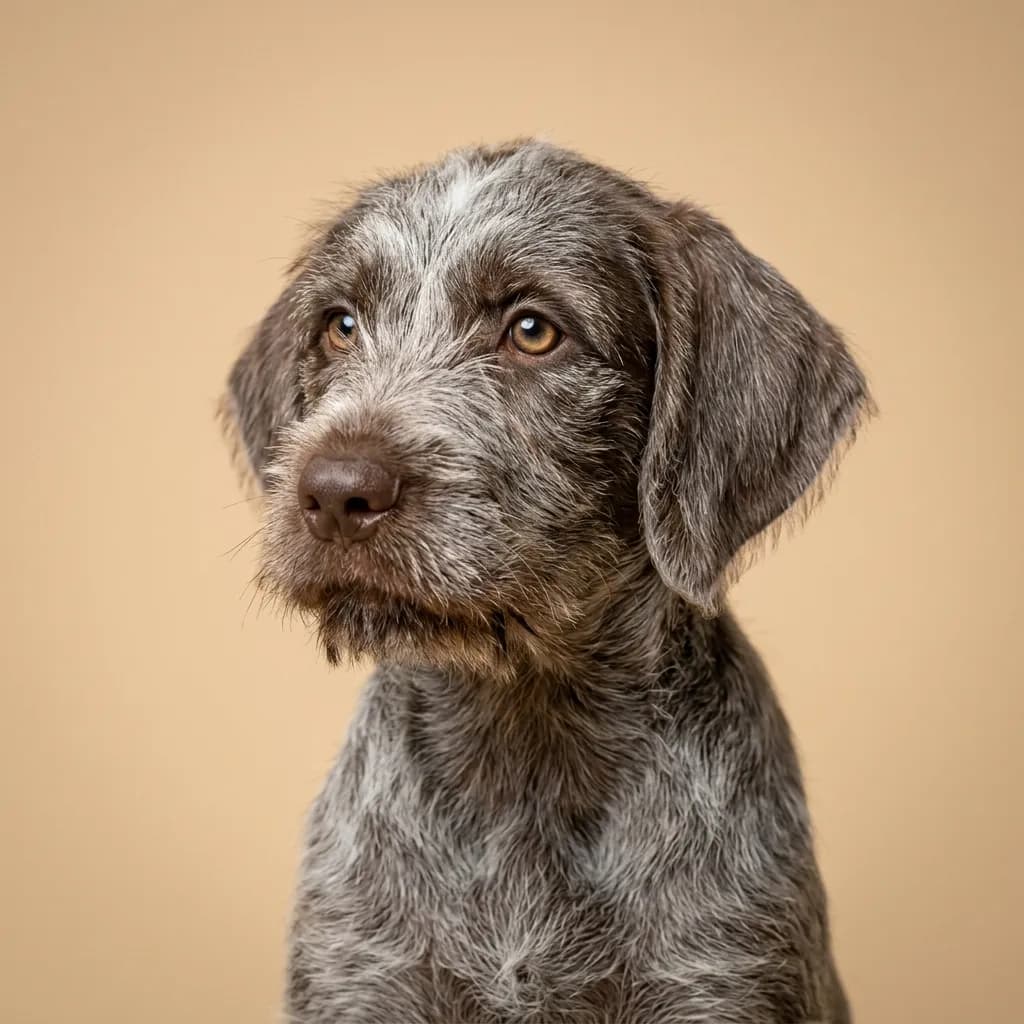
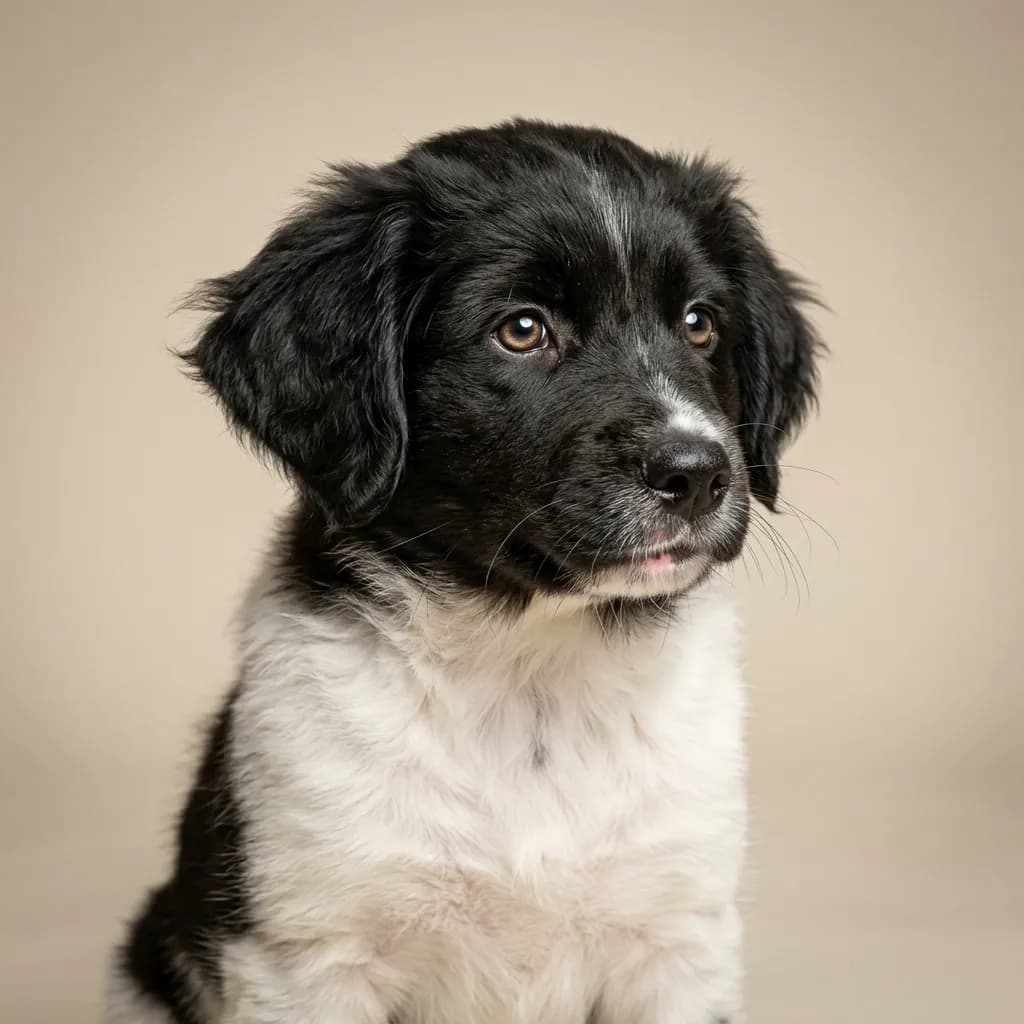
You don’t see people tossing up between a Slovakian Wirehaired Pointer and a Stabyhoun at your average dog park—these are niche breeds, the kind you fall into after years of loving gun dogs or chasing rare pedigrees. But if you're here, you’re probably an active owner with experience, maybe a hunter or a dog sports devotee, and you’re weighing two deeply capable, affectionate pointers with foreign passports and serious drive. The Slovakian Wirehaired Pointer is a rugged, weather-resistant hunter built for cold mornings in the mountains and long days in marshy cover. It’s intense, focused, and bred to work independently—yet still in sync with its handler. You’ll need to keep it busy, or it’ll find its own job, probably involving your furniture. It’s loyal and sharp, but kids aren’t its top priority, and you’ll need space and purpose for it. The Stabyhoun, from the Dutch farmlands, is softer around the edges—literally and emotionally. It’s just as trainable and energetic, but its sweetness with children and calm, loving nature make it more of a family-integrated athlete. It thrives in homes where it’s both a hunting companion and a household fixture, equally happy retrieving from a lake and curling up after dinner. Here’s the real difference: the Wirehaired Pointer is a specialist with heart, best for someone who wants a hunting partner first. The Stabyhoun is a dual-purpose soul—work hard, love harder. If you want a dog that bonds deeply with the whole family and transitions smoothly from field to couch, the Stabyhoun shines. But if you're chasing game in tough terrain and want a tough, resilient partner, the Slovakian is your dog. And one thing the data won’t tell you? Both breeds are rare for a reason—they demand involvement. You’re not just buying a dog. You’re joining a breed community.
Trait-by-trait
Higher bar = more of that trait. Shedding, barking, drooling, grooming flipped for readability.Where they diverge
Choose the Slovakian Wirehaired Pointer if…
- hunters
- active families
- experienced versatile gun dog owners
Choose the Stabyhoun if…
- active families
- hunters and waterfowl retrievers
- dog sport enthusiasts
- You value good with young children — Stabyhoun scores higher here.