Slovensky Kopov vs Whippet
Side-by-side comparison across all 14 AKC trait ratings, with a clear verdict on which breed fits which kind of household.
Not sure which breed fits your life?
Answer five questions about your home, your schedule, and your tolerance for shedding. We’ll match you to your top three breeds from over 200.
Slovensky Kopov vs Whippet
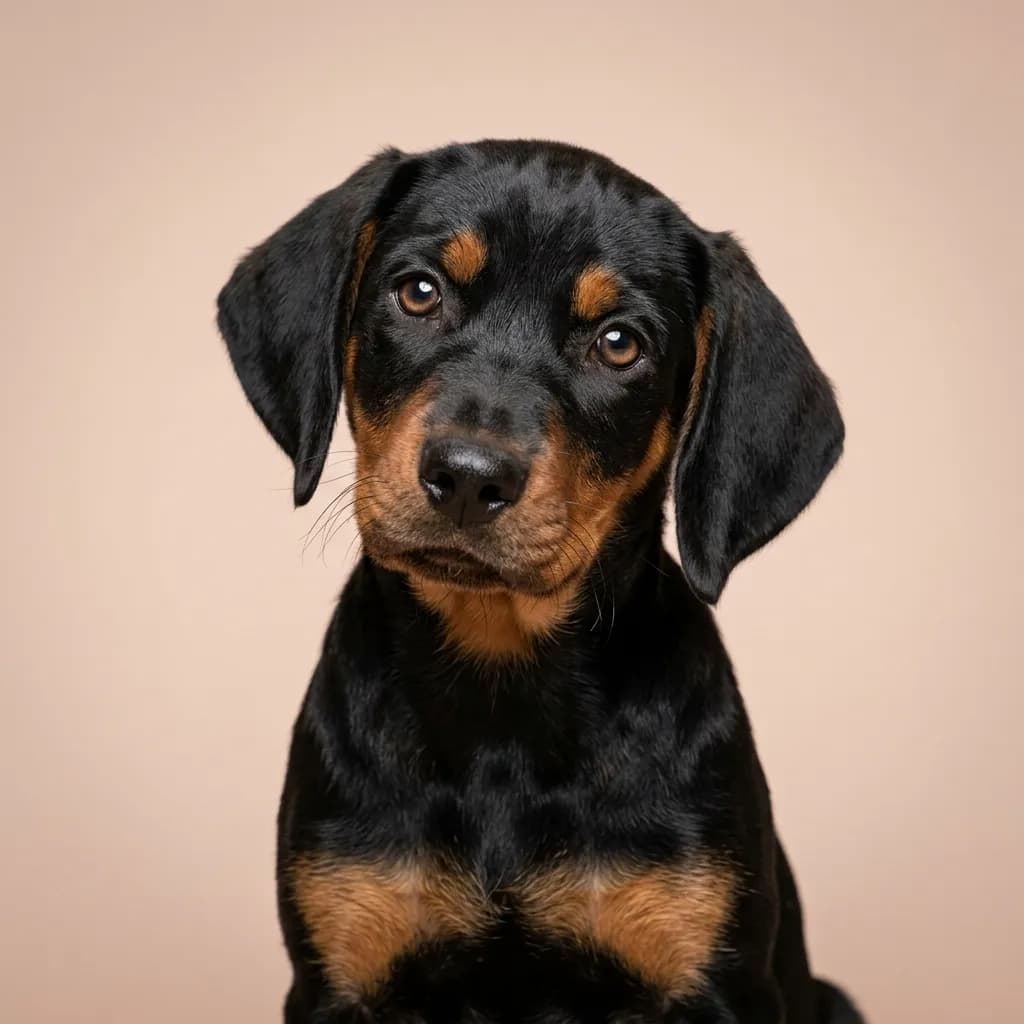
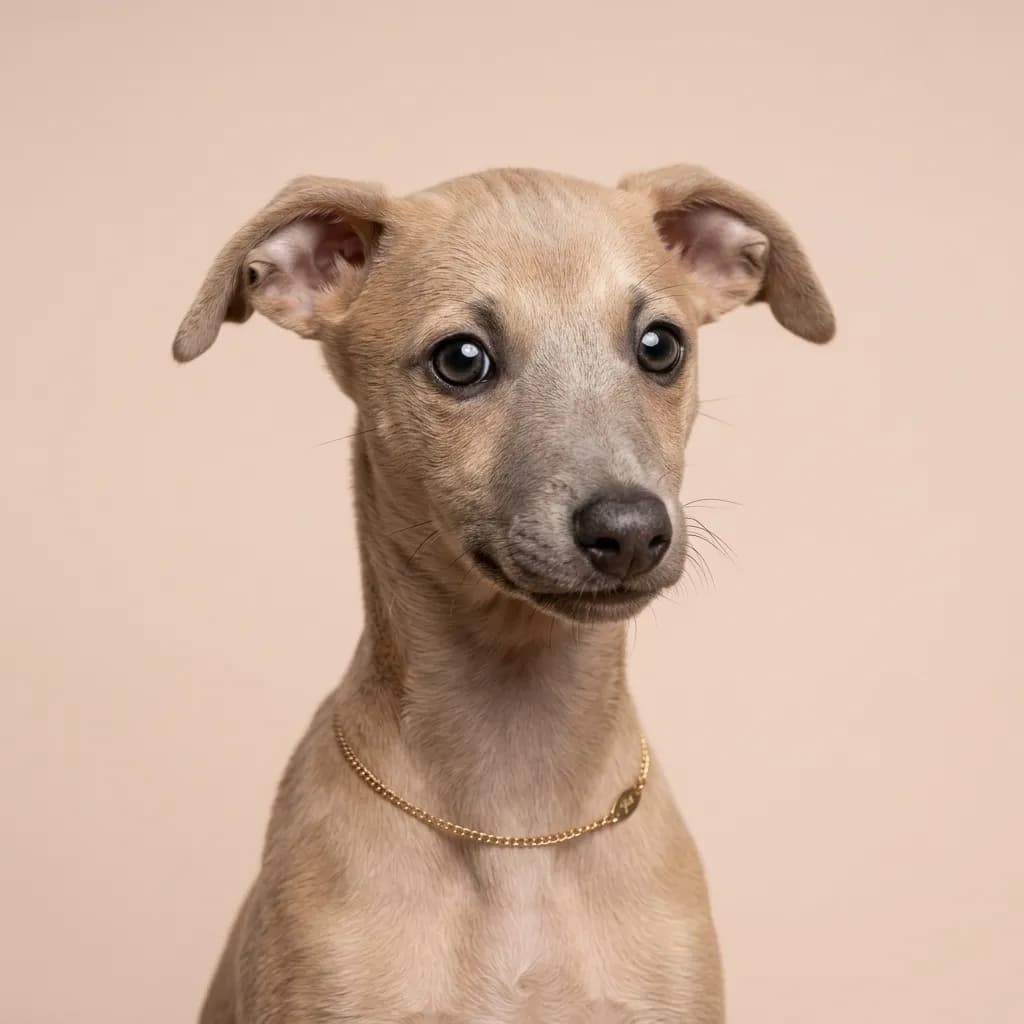
People compare the Slovensky Kopov and the Whippet because they’re both lean, athletic hounds in a similar size range—so at a glance, they might seem like comparable choices for an active household. But that’s where the surface-level similarities end. These dogs come from entirely different worlds, built for different kinds of speed and survival. The Slovensky Kopov is a scent hound forged in the dense Slovak forests, bred to trail wild boar for hours through rugged terrain. He’s determined, focused, and built for cold climates and serious work. You’ll need to be just as committed—he thrives with experienced handlers who can give him purpose, secure space, and consistent training. He’s not loud by default, but he’ll bark when it matters, and his energy is steady, not explosive. Life with a Kopov means ear checks, yard inspections, and a routine that matches his working-dog stamina. The Whippet, in contrast, is a sprinter. A greyhound’s sleek cousin built for bursts of breathtaking speed, then curling up on your couch. He’s gentle, quiet, and deeply bonded to his people. Great with older kids, he adapts well to city life if you run or jog with him. But don’t be fooled by his calm demeanor—open a gate and a squirrel appears, and he’s gone. His fragility isn’t just physical—he’s sensitive to anesthesia, cold weather, and stress. Here’s the real insight: the Kopov wants a job and a territory. The Whippet wants a lap and a rhythm. Choose the Kopov if you hunt, hike, or live off-grid with space and challenges. Choose the Whippet if you want a soft-eyed companion who doubles as a track star on weekends. One is a partner in survival. The other is velvet speed wrapped in love. Know which relationship you’re signing up for.
Trait-by-trait
Higher bar = more of that trait. Shedding, barking, drooling, grooming flipped for readability.Where they diverge
Choose the Slovensky Kopov if…
- hunters
- active rural owners
- experienced scent hound handlers
- You value barking level — Slovensky Kopov scores noticeably higher.
Choose the Whippet if…
- Apartment living (if exercised)
- Families with older children
- Runners and joggers
- You value affectionate w/ family — Whippet scores higher here.