Stabyhoun vs Yakutian Laika
Side-by-side comparison across all 14 AKC trait ratings, with a clear verdict on which breed fits which kind of household.
Not sure which breed fits your life?
Answer five questions about your home, your schedule, and your tolerance for shedding. We’ll match you to your top three breeds from over 200.
Stabyhoun vs Yakutian Laika
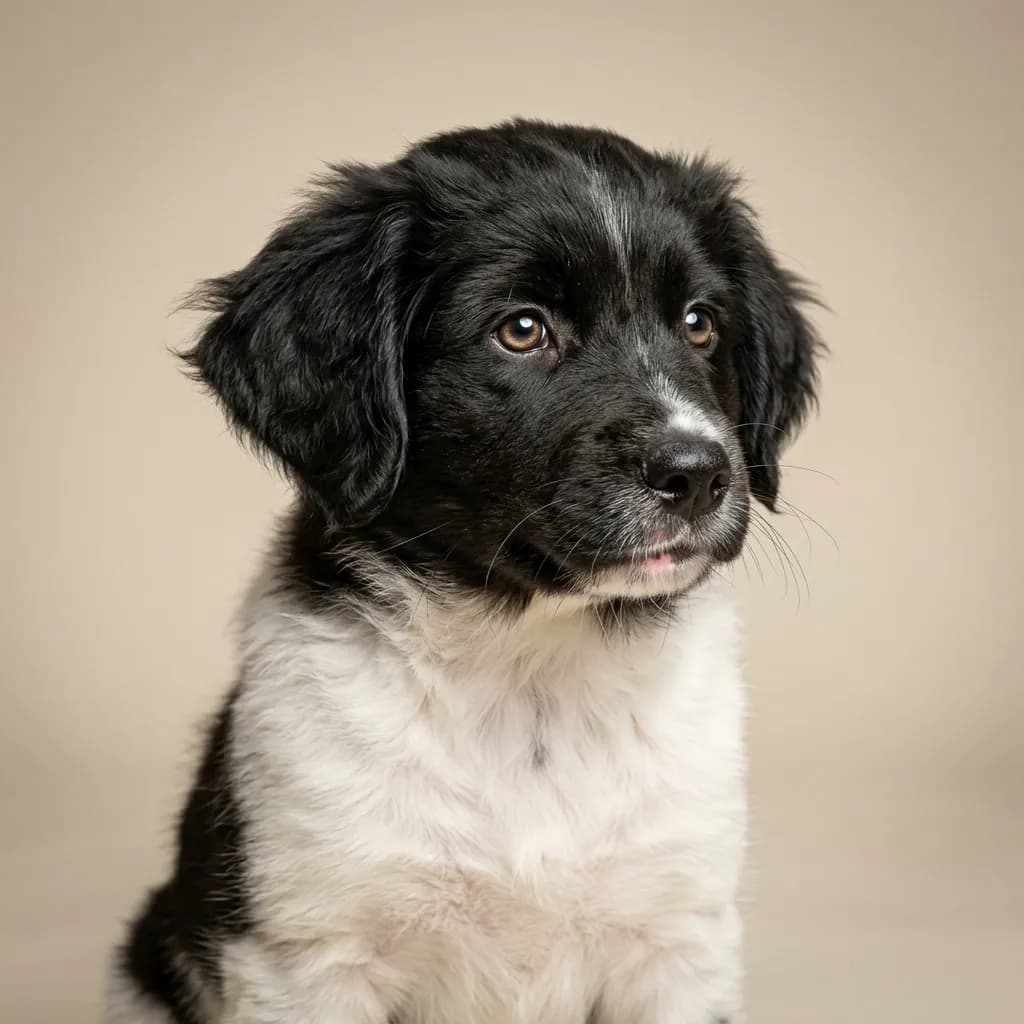
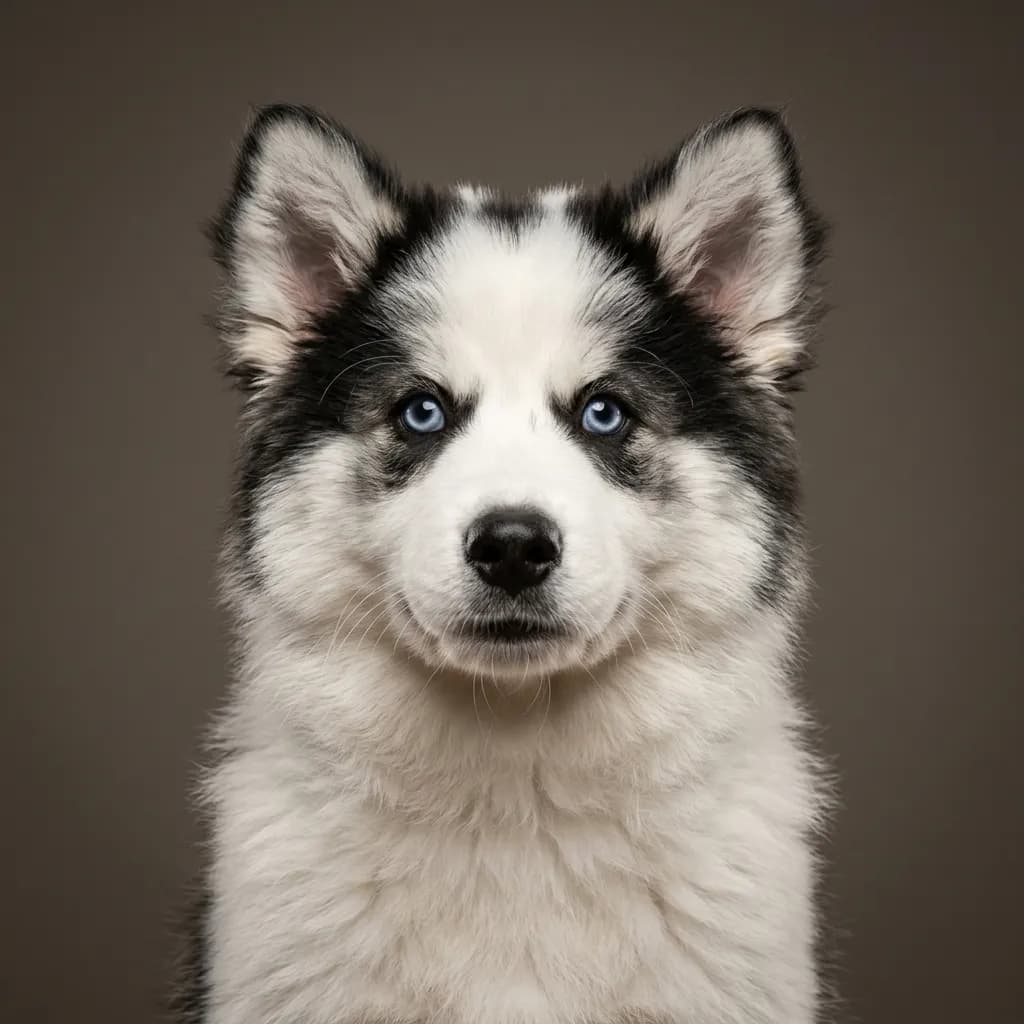
You don’t see people comparing a Stabyhoun and a Yakutian Laika every day, but when they do, it’s usually someone who wants a rare, intelligent, working-type dog with heart—and isn’t afraid of a deep bench of energy. Both are bred for purpose, both are family loyal, and both cost a pretty penny. But that’s where the overlap ends. The Stabyhoun is the quiet Dutch farmhand who’s good at everything—hunting, retrieving, pointing, and still remembering to wipe his feet at the door. He’s patient with kids, easy to train, and fits well in an active home that values cooperation over chaos. His energy is steady, not explosive, and he thrives on routine, structure, and time in the field or water. You’ll need space and commitment, but not a snowstorm to keep him happy. The Yakutian Laika? He’s from another world. Literally. Bred for the frozen tundra of Siberia, this dog is built for survival in extremes. He’ll pull a sled, track game through waist-deep snow, and stand guard without hesitation. But he’s not as eager to please. Trainability is lower not because he’s dull—he’s sharp—but because he’s independent. He’ll assess your request before obeying. And he sheds. A lot. Like, prepare-for-hair-on-every-surface levels. If you live somewhere with real winters and a yard that backs into wilderness, and you want a dog that’s more partner than pet, the Laika might call to you. But if you want a dog who bonds deeply, listens intently, and blends well with family life and dog sports in milder climates, the Stabyhoun is your guy. Here’s the real talk: the Stabyhoun is a team player. The Yakutian Laika is a solo operator who tolerates being on your team—if he respects you. That difference changes everything.
Trait-by-trait
Higher bar = more of that trait. Shedding, barking, drooling, grooming flipped for readability.Where they diverge
Choose the Stabyhoun if…
- active families
- hunters and waterfowl retrievers
- dog sport enthusiasts
- You value good with strangers — Stabyhoun scores noticeably higher.
Choose the Yakutian Laika if…
- Cold climate owners
- Active families
- Experienced dog owners
- You value watchdog / protective — Yakutian Laika scores higher here.