Yakutian Laika
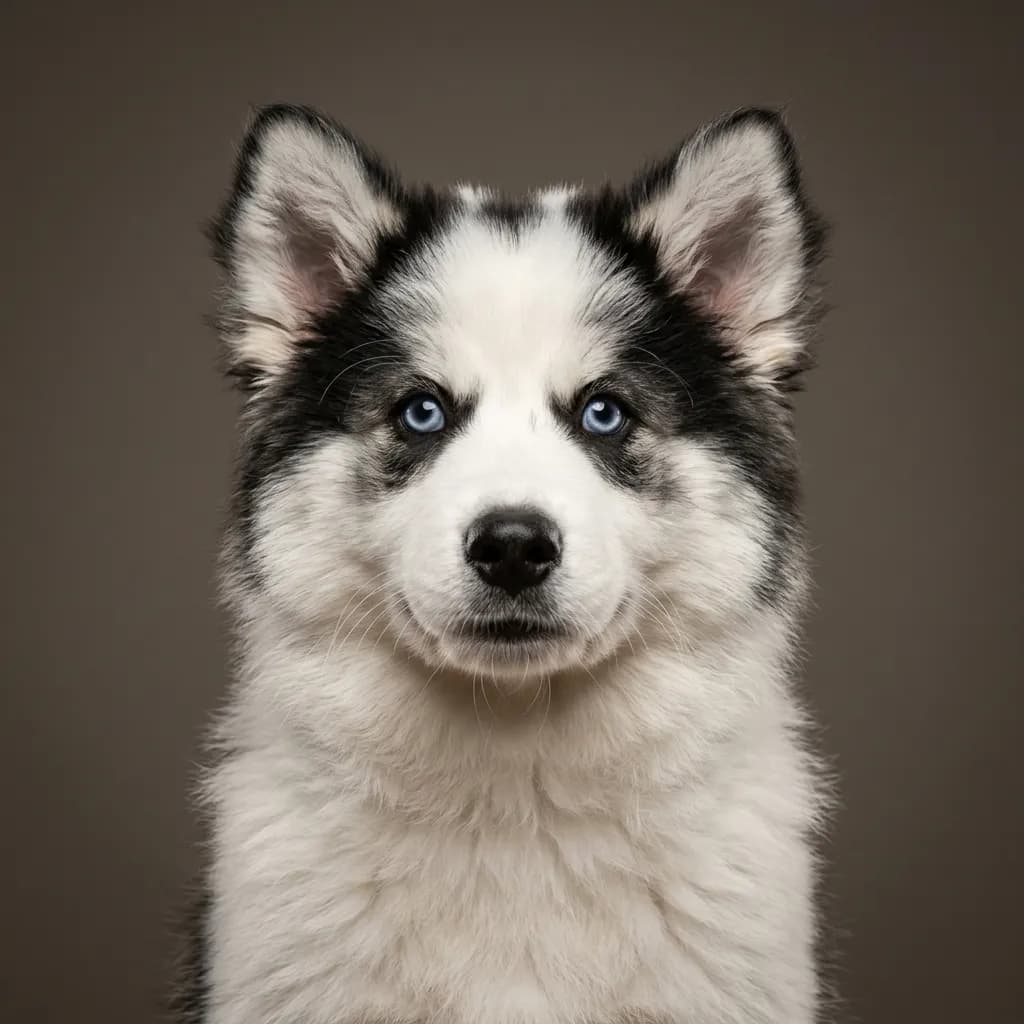
A sled dog from the coldest inhabited region on earth, the Yakutia republic of Siberia, where temperatures drop to -60°F. Yakutian Laikas are remarkably affectionate and people-oriented for a working spitz — more social and less independent than Siberians — with a thick, double-layered coat in striking black-and-white or tricolor patterns. Rare outside Russia, increasingly sought by Nordic breed enthusiasts.
Free weekly training plan, specific to your Yakutian Laika’s age. Exactly what to focus on this week.
Get your free training planLiving with a Yakutian Laika
The Yakutian Laika isn’t just built for Siberia, it’s shaped by it. Developed by the Sakha people for sled pulling, hunting, and herding reindeer in one of the coldest inhabited places on Earth, this breed thrives where most dogs would quit. They’re not just cold-weather specialists; they’re survivors, with a dense double coat, compact frame, and a metabolism fine-tuned for subzero endurance.
If you live somewhere that regularly dips below freezing, this dog might feel right at home. If you’re in a place that regularly hits 80°F, walk away now. Day to day, they’re affectionate and deeply bonded to their people.
They’ll follow you from room to room not out of clinginess but quiet vigilance. They’re intelligent but not eager to please in the way a Border Collie is. Trainability is a solid 3 out of 5, they’ll figure out what you want, but they’ll also decide if they feel like doing it.
Positive reinforcement works, but consistency is non-negotiable. And yes, they bark. That 4/5 barking score?
It’s real. They’ll alert you to squirrels, passing clouds, and the neighbor’s cat three houses down. Exercise isn’t a suggestion.
These dogs need 2 to 3 hours of intense activity daily, think running, hiking, sledding, or dog sports that challenge both body and mind. Mental stimulation matters just as much. Leave them bored and you’ll come home to a chewed doorframe or a dug-up yard.
Their 5/5 energy and 4/5 mental stimulation needs aren’t for the casual pet owner. Grooming is a seasonal battle. Heavy shedders twice a year, they blow their undercoat completely.
Brushing several times a week during those periods is mandatory. Outside of that, weekly brushing keeps things manageable, but don’t expect a clean house. Health-wise, they’re generally robust but prone to hip dysplasia, bloat, and progressive retinal atrophy.
Reputable breeders do health testing, so never skip that step. Price ranges from $1,500 to $4,000, and it’s worth it for a dog from tested lines. Best for experienced, active owners in cold climates who want a loyal, working partner.
Not for apartment dwellers, hot-weather regions, or anyone with a 9-to-5 desk job and no plan for canine fulfillment. Here’s the real talk: most people don’t need a Yakutian Laika. But if you’re someone who hikes in winter, runs sleds, or lives off-grid in Alaska, this dog might just be the most honest, capable companion you’ll ever own.
14 traits, at a glance.
Every breed on PuppyBase is rated across the 14 trait dimensions the American Kennel Club publishes — from trainability to drooling level. The higher the score, the better the fit for that trait.
What to expect day-to-day
Things to screen for
- Hip dysplasia
- Progressive retinal atrophy
- Joint issues from cold climate adaptation
- Bloat (GDV)
See a full price breakdown — first-year costs, lifetime estimate, breeder vs. adoption.
Full price guideSimilar breeds
Browse all 200+



Common questions
How long do Yakutian Laikas live?
Yakutian Laikas typically live between 10 and 12 years. With proper care, a balanced diet, and regular veterinary checkups, they can reach the upper end of that range.
How much does a Yakutian Laika puppy cost?
A Yakutian Laika puppy usually costs between $1,500 and $3,500, with most averaging around $2,500. Prices are high due to the breed's rarity outside Russia and the limited number of reputable breeders.
How much do Yakutian Laikas shed?
Yakutian Laikas shed heavily, especially during seasonal blowouts of their thick double coat. You'll need to brush them weekly, and daily during shedding season to manage loose fur.
What colors do Yakutian Laikas come in?
They come in several striking color combinations, including white, black and white, gray and white, red and white, and black, white, and gray tri-color patterns.
How big do Yakutian Laikas get?
They stand 21 to 23 inches tall at the shoulder and weigh between 40 and 55 pounds. Males are typically slightly larger than females.
Are Yakutian Laikas smart?
Yes, Yakutian Laikas are highly intelligent and were bred to make independent decisions in extreme conditions. They learn quickly but need consistent, mentally stimulating training.
Are Yakutian Laikas hypoallergenic?
No, Yakutian Laikas are not hypoallergenic. They have a dense, double coat that sheds heavily and releases dander, making them unsuitable for people with allergies.
Are Yakutian Laikas aggressive?
They are not inherently aggressive, but they are extremely protective and reserved with strangers. Early socialization is essential to prevent overly suspicious or reactive behavior.
What health problems are common in Yakutian Laikas?
Common health issues include hip dysplasia, progressive retinal atrophy, bloat, and joint problems linked to their adaptation to extreme cold. Regular health screenings are strongly recommended.
Do Yakutian Laikas bark a lot?
Yes, they are a vocal breed and tend to bark frequently, especially when alerting to something unusual. Their high watchdog instinct makes them naturally loud and communicative.
Are Yakutian Laikas easy to train?
They are moderately trainable. While intelligent and eager to please their family, they retain a working dog's independence and need a firm, consistent hand and early training.
Are Yakutian Laikas good family dogs?
They can be excellent family dogs for active, experienced owners. They're deeply loyal, affectionate with their people, and especially good with children when properly socialized.
Are Yakutian Laikas good with cats?
They have a strong prey drive and may not do well with cats or small pets, especially if not raised with them. Supervision and early introduction are critical for peaceful coexistence.
Are Yakutian Laikas good guard dogs?
Yes, they are exceptional guard dogs. They are extremely protective, alert, and naturally wary of strangers, making them highly effective at watching over their home and family.
Can Yakutian Laikas live in apartments?
No, they are not suited for apartment living. They need ample outdoor space and vigorous daily exercise, and they thrive only in cold climates with room to run.
Are Yakutian Laikas good first dogs?
No, they are not recommended for first-time dog owners. Their high energy, training challenges, and need for experienced handling make them better suited to those familiar with working breeds.
Not sure which breed fits your life?
Answer five questions about your home, your schedule, and your tolerance for shedding. We’ll match you to your top three breeds from over 200.