Standard Schnauzer vs Wetterhoun
Side-by-side comparison across all 14 AKC trait ratings, with a clear verdict on which breed fits which kind of household.

Not sure which breed fits your life?
Answer five questions about your home, your schedule, and your tolerance for shedding. We’ll match you to your top three breeds from over 200.
Standard Schnauzer vs Wetterhoun
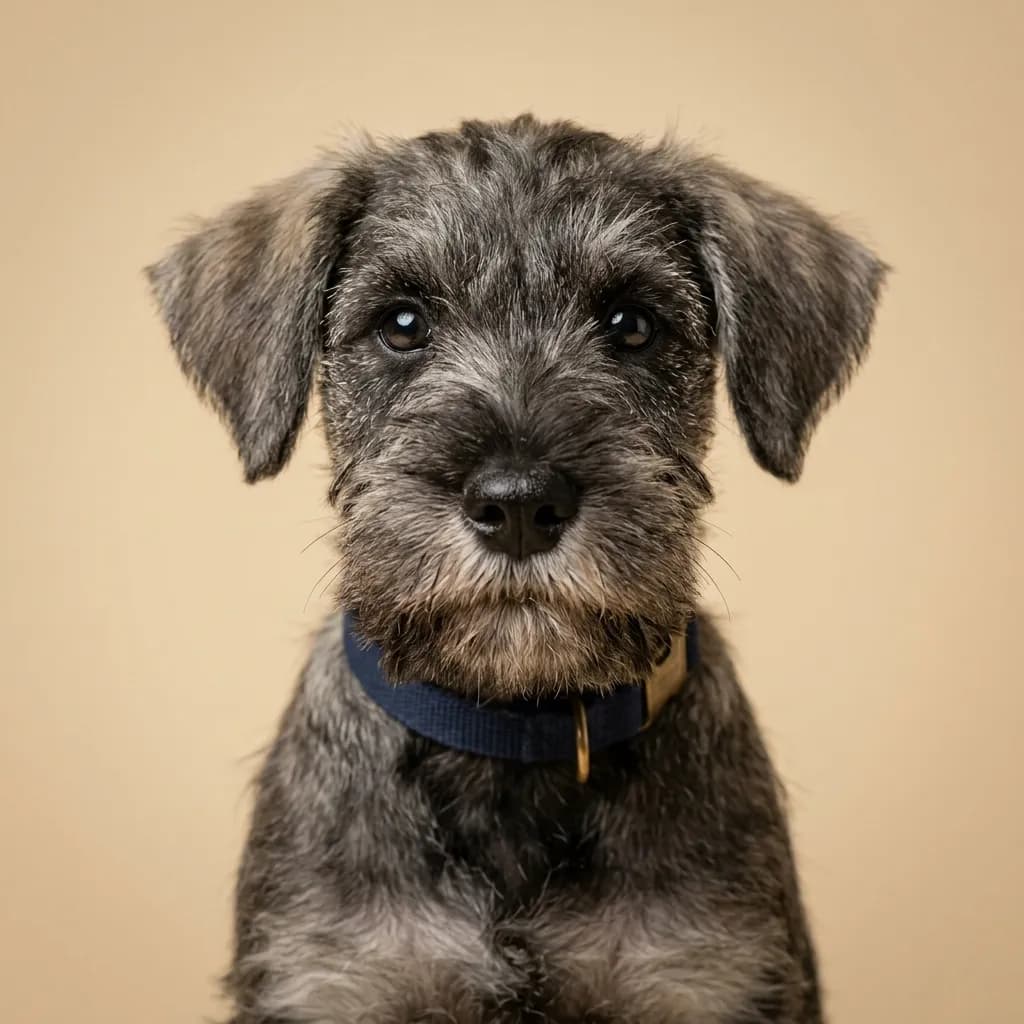
People compare Standard Schnauzers and Wetterhouns because both are rare, rugged-looking, and built for work—not fashion. At a glance, they might seem like distant cousins: square profiles, thick coats, a certain no-nonsense demeanor. But if you’re choosing between them, you’re really deciding between a precision Swiss watch and a hand-hammered Dutch barn door. One thrives on order and mental puzzles; the other runs on instinct and solitude. The Standard Schnauzer is the thinker. Smart, bold, and deeply trainable, this dog wants to be part of your life—your runs, your training sessions, your family routines. They’re great with older kids, rarely shed, and adapt well to suburban homes as long as they get daily mental and physical work. They’ll alert you to squirrels, mail carriers, and distant thunderstorms, but they won’t drive you crazy with noise. If you’re into agility or obedience trials, or you just want a dog that learns “off” faster than most kids learn their ABCs, the Schnauzer fits. The Wetterhoun? This dog isn’t trying to please you. Bred to work alone in the marshes of Friesland, it’s independent, quiet, and built like a wetland tank. They’re bigger, heavier, and far less common—so rare that reliable trait scores barely exist. They bond fiercely with their people but need early, consistent socialization or they’ll default to suspicion. Not a barky breed, but not exactly cuddly on demand either. They love cold, wet climates and active rural life. If you’re a hunter or live on acres of soggy land, great. If you live in a city condo? Hard pass. Here’s the real talk: the Wetterhoun doesn’t care if you love it. The Schnauzer needs to know you do. Choose accordingly.
Trait-by-trait
Higher bar = more of that trait. Shedding, barking, drooling, grooming flipped for readability.Where they diverge
Choose the Standard Schnauzer if…
- Active owners
- Experienced dog owners
- Dog sports enthusiasts
- You value good with young children — Standard Schnauzer scores noticeably higher.
Choose the Wetterhoun if…
- hunters
- active rural owners
- experienced sporting dog owners