Tosa vs Yakutian Laika
Side-by-side comparison across all 14 AKC trait ratings, with a clear verdict on which breed fits which kind of household.
Not sure which breed fits your life?
Answer five questions about your home, your schedule, and your tolerance for shedding. We’ll match you to your top three breeds from over 200.
Tosa vs Yakutian Laika
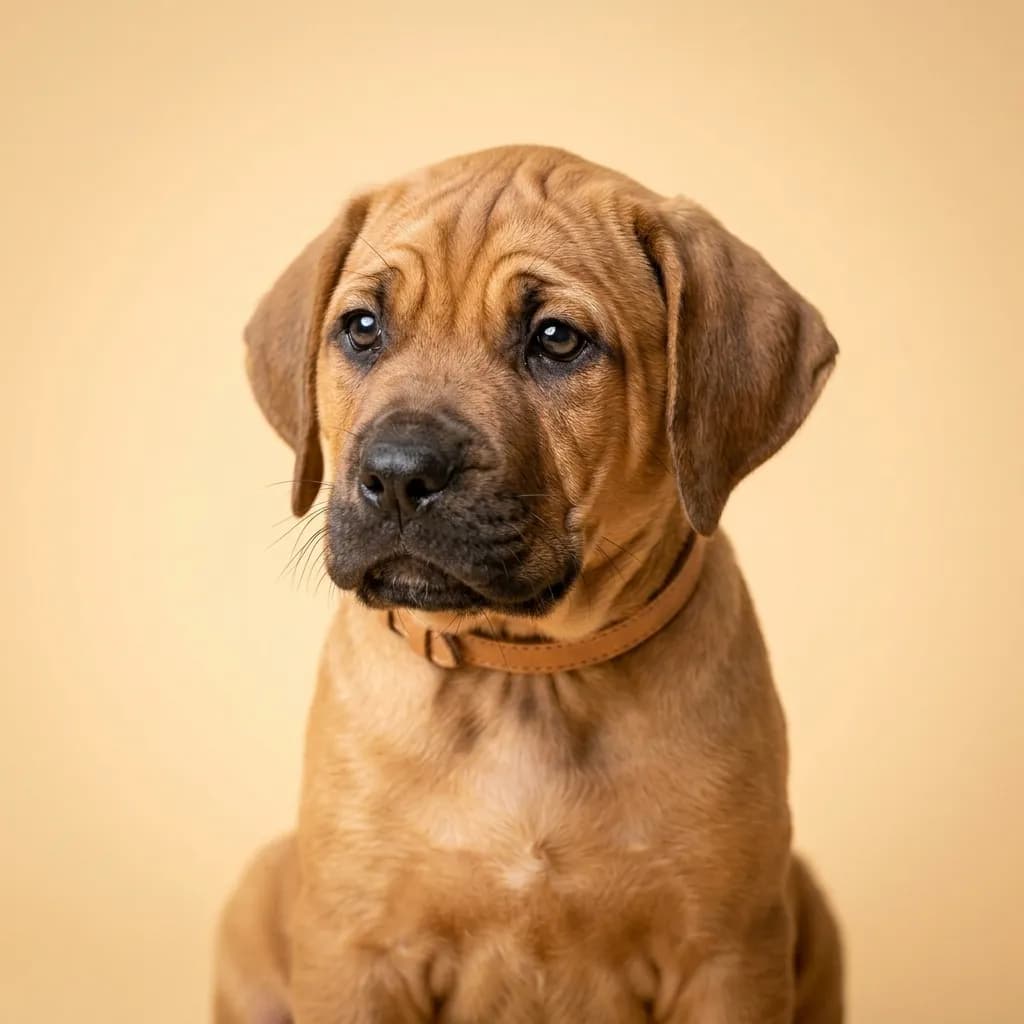
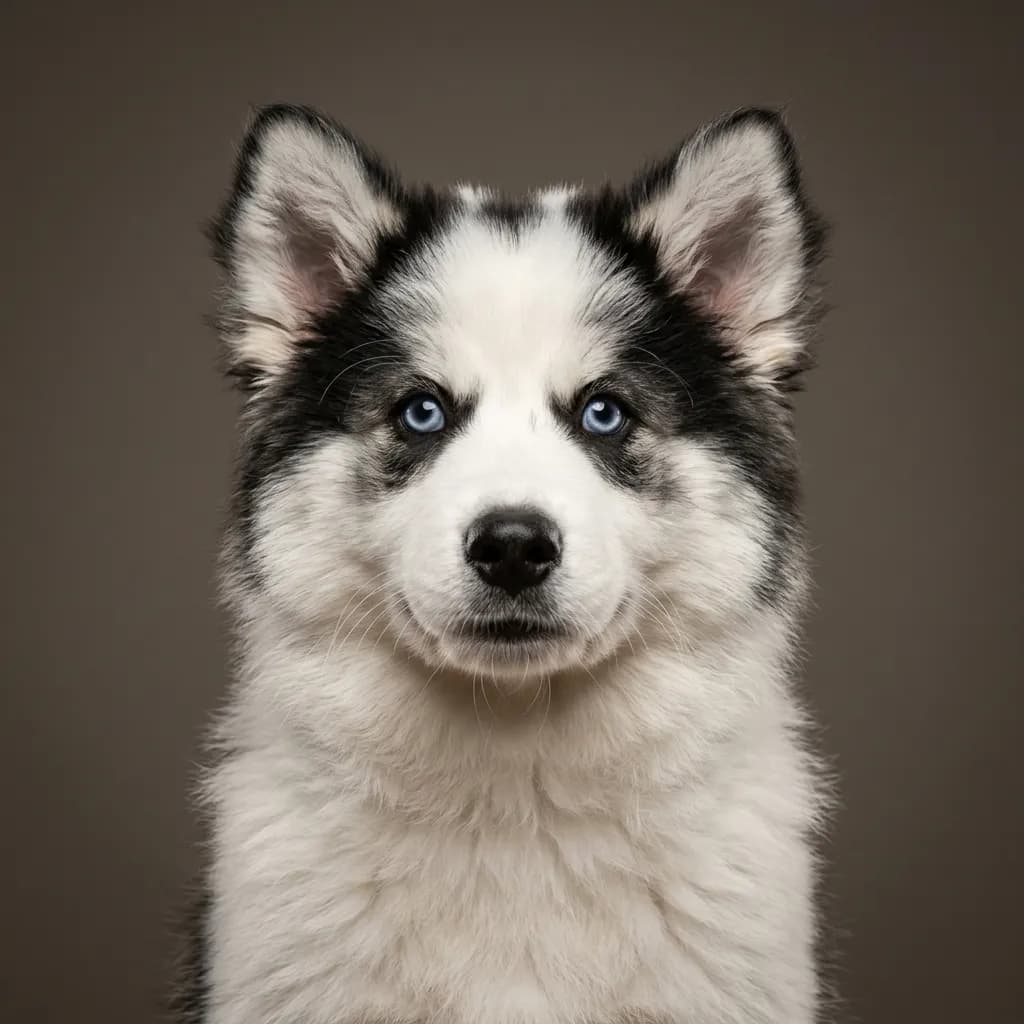
People don’t usually pit a massive Japanese guardian against a rugged Siberian sled dog—but if you’re drawn to rare, powerful breeds with deep histories, the Tosa and Yakutian Laika might both catch your eye. On the surface, they sound similar: medium to high energy, loyal, not for beginners. But living with one versus the other? That’s where things split hard. The Tosa is a gentle giant with the weight of a linebacker and the calm of a monk—when trained right. These dogs were bred for silence and control in the fighting pit, and that translates to a quiet, deliberate presence today. They’re not hyper, but they’re heavy. Literally. You’re looking at 150 pounds of muscle that needs structure, space, and an owner who already speaks fluent “large breed.” They’re affectionate in a dignified way, but they won’t herd your kids around the yard. And forget apartment life—you need land, fencing, and the patience to manage a dog that’s banned in some areas due to its history. Now picture the Yakutian Laika: a wolfish, barking, tail-curling dynamo built for -50°F and nonstop motion. This dog lives to work. Hunting, sledding, tracking—it thrives on purpose. It’s great with kids, yes, but only if you can burn off that 5/5 energy daily with real outdoor adventure. It sheds like a blizzard and barks at changes in the wind. But in the right home—a cabin in the north, an active family with trails out back—it’s fiercely loyal and endlessly engaging. Here’s the real talk: the Tosa is a companion that happens to be huge. The Laika is a working partner that won’t let you forget it. Pick the Tosa if you want a calm, imposing presence and have the experience to lead. Pick the Laika if your life involves snow, stamina, and a dog that’s always ready for the next mission.
Trait-by-trait
Higher bar = more of that trait. Shedding, barking, drooling, grooming flipped for readability.Where they diverge
Choose the Tosa if…
- very experienced large-breed owners
- homes with secure property
- owners seeking a calm giant breed companion
Choose the Yakutian Laika if…
- Cold climate owners
- Active families
- Experienced dog owners
- You value good with other dogs — Yakutian Laika scores higher here.