Cherry Eye
What It Is
Cherry eye isn’t just a quirky name—it’s a real, uncomfortable condition where the third eyelid gland in a dog’s eye pops out and swells, looking like a red, fleshy lump in the corner of the eye. This gland is crucial because it produces about 30–50% of your dog’s tear film. When it prolapses (slips out of place), it’s not just unsightly; it can mess with eye moisture and open the door to irritation, infection, or even dry eye later on. It’s called “cherry eye” because, well, it looks like a small cherry suddenly appeared where it shouldn’t. It typically affects one eye first, but if your dog is prone to it, the other eye can follow within weeks or months. It’s most common in young dogs under two years old, especially in certain breeds with looser connective tissue around the eye.
Symptoms to Watch For
The big red flag—literally—is a round, pink to red swelling in the inner corner of your dog’s eye. It might show up after your pup has been rubbing their face, sleeping hard, or just out of nowhere. Other signs include excessive blinking, squinting, or pawing at the eye. You might also notice watery or mucus-like discharge. Don’t assume it’ll go away on its own—left untreated, the gland can become inflamed, dry out, or even ulcerate. And since it’s not producing tears properly, your dog could develop keratoconjunctivitis sicca (dry eye) down the line, which is a lifelong hassle to manage.
Diagnosis
Diagnosing cherry eye is usually quick and straightforward. Your vet will take one look and know exactly what’s going on—no fancy imaging needed. But they’ll still examine the eye closely to rule out other issues like tumors or infections. They might do a Schirmer tear test to check tear production, just to make sure the other eye isn’t already struggling. The good news? It’s not an emergency in the “rush to the ER” sense, but you shouldn’t wait weeks to get it checked. The longer it’s out, the more irritated and swollen it gets, making treatment trickier.
Treatment Options
There are two main paths: surgery or, very rarely, a long shot with medication. Topical anti-inflammatory drops might reduce swelling temporarily, but they won’t push the gland back into place permanently. Surgery is the go-to. The gold standard is the “pocket technique,” where the vet tucks the gland back into a small pocket they create in the tissue and stitch it in place. It preserves tear function and has a lower recurrence rate (around 5–20%) than older methods. The outdated “snip and remove” approach—cutting the gland out—is strongly discouraged because it can lead to dry eye, chronic discomfort, and higher vet bills down the road. Surgery costs run $500–$1,500 per eye, depending on your location and whether it’s done by a general vet or a veterinary ophthalmologist (who may charge more but often have better success rates).
Prevention and Screening
Here’s the hard truth: you can’t fully prevent cherry eye. It’s genetic. But you can make smarter choices when picking a breeder. Ask about the lineage—specifically whether parents or littermates have had cherry eye. Reputable breeders won’t breed dogs with a history of it. Screening isn’t routine, but if you’re getting a puppy from a high-risk breed, a vet check by 8–12 weeks can catch early signs. Keep an eye (pun intended) on your pup’s eyes during the first two years, especially if they’re in a risk group. And please, don’t skip follow-up visits if one eye has been treated—stats show up to 40% of dogs develop it in the second eye within a year.
Breeds Most at Risk
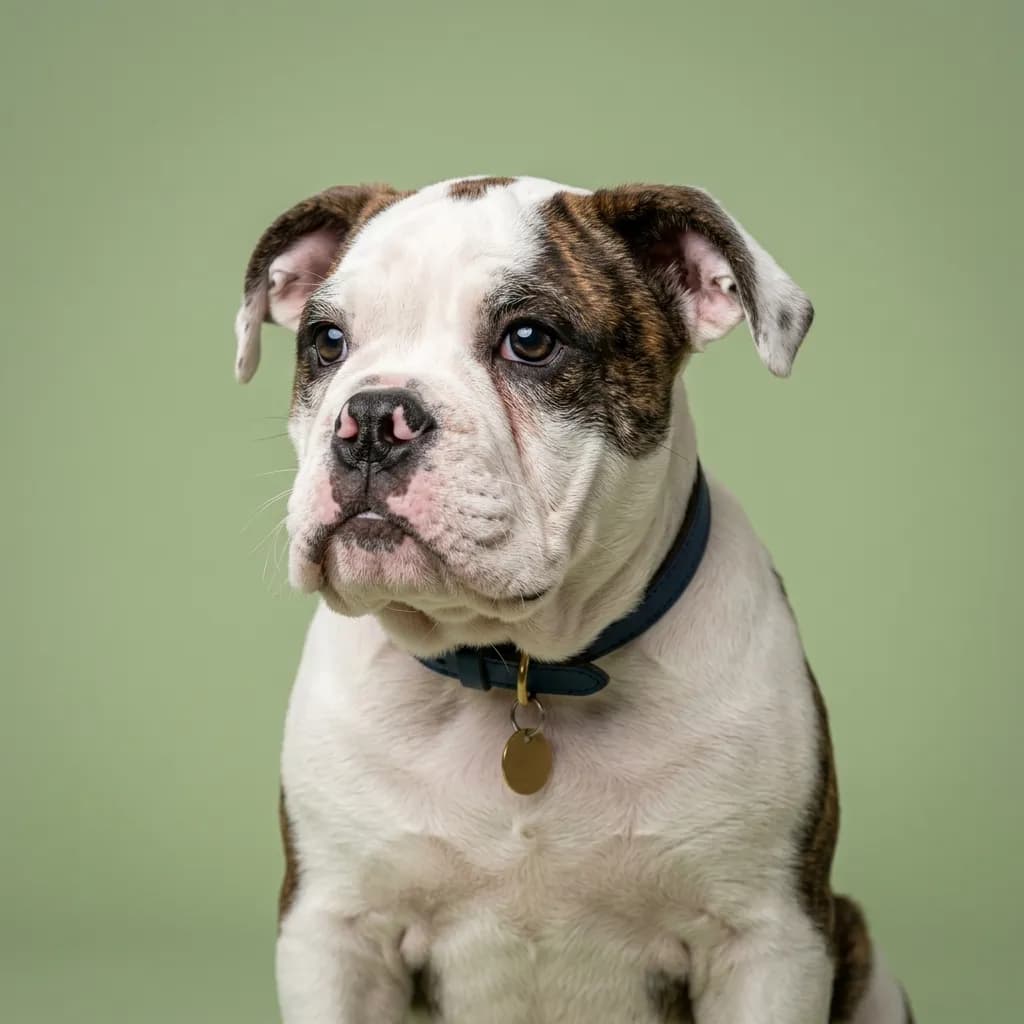
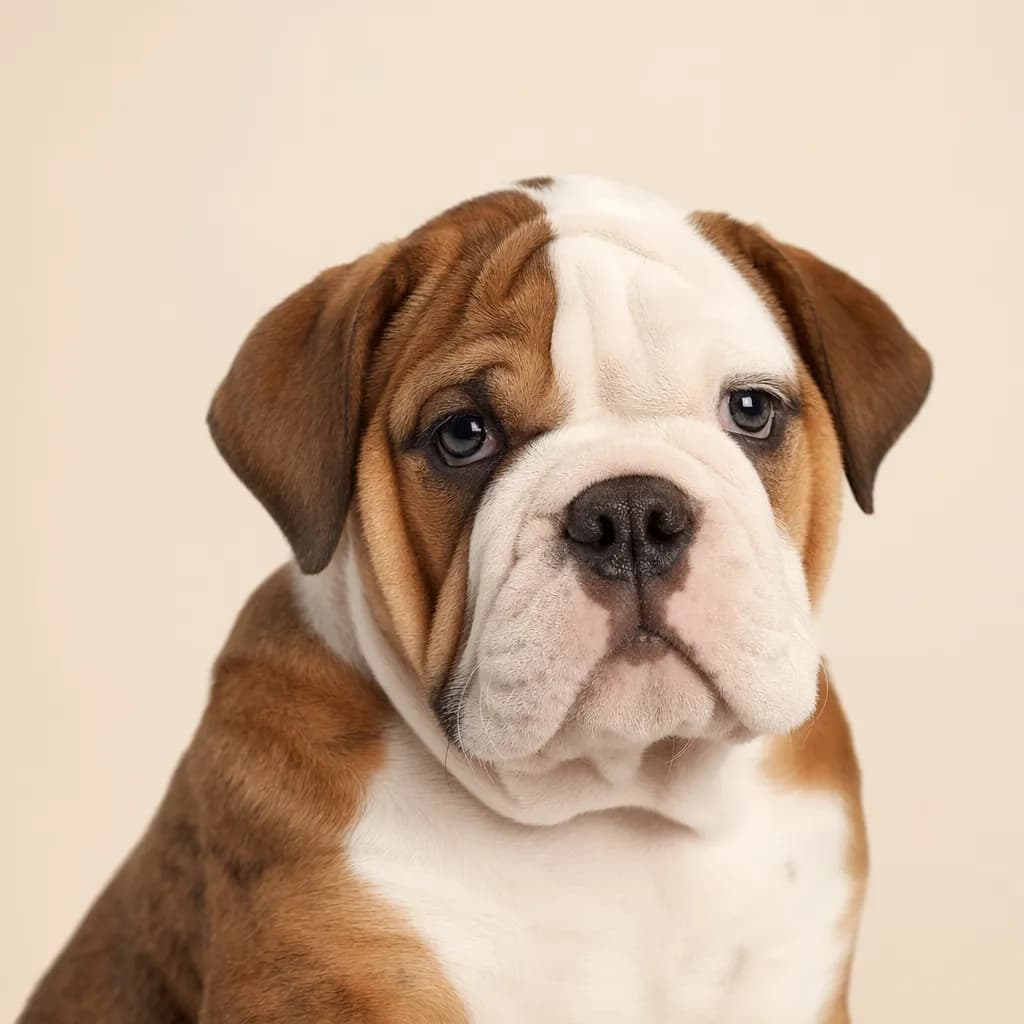
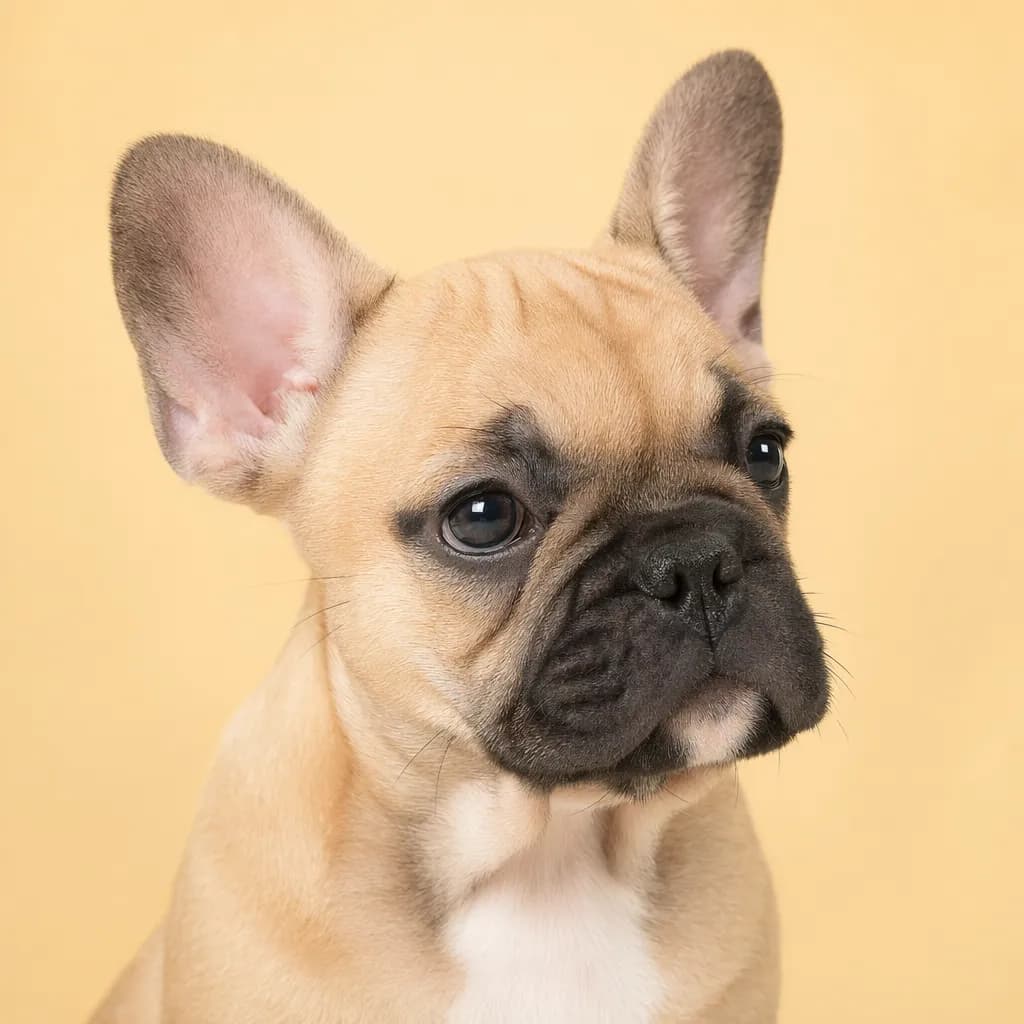
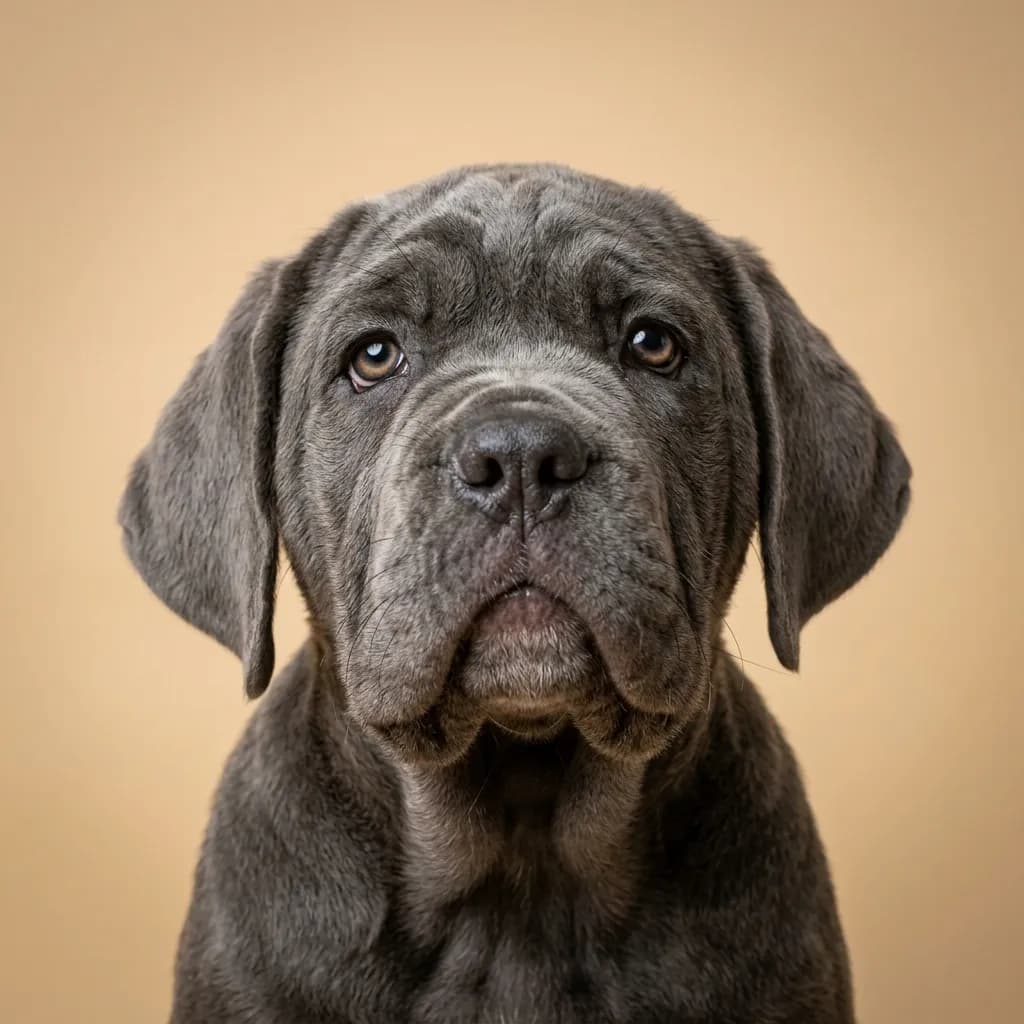
Cherry eye hits certain breeds harder, usually those with looser facial tissue or prominent eyes. The biggest offenders include the American Bulldog, Beagle, Bulldog, French Bulldog, and Neapolitan Mastiff. That spans the Non-Sporting Group (Bulldog, French Bulldog), Working Group (Neapolitan Mastiff), Hound Group (Beagle), and Foundation Stock Service (American Bulldog). Frenchies and Bulldogs are especially notorious—part of the reason so many end up with multiple eye issues. If you’re considering one of these breeds, budget not just for cute outfits and snorting noises, but for potential vet visits. Cherry eye surgery might be one of the first big bills you face as a proud new owner. Know the risks, ask the right questions, and choose a breeder who’s transparent about health history. Your dog’s eyes—and your wallet—will thank you.