American Bulldog
Stocky, loyal, and deceptively athletic — this is not a couch dog wearing a bulldog costume. American Bulldogs are energetic, confident, and devoted to their family, but they need real structure and socialization from day one. Not for first-timers, but a fantastic working-dog companion for committed owners.
Free weekly training plan, specific to your American Bulldog’s age. Exactly what to focus on this week.
Get your free training planLiving with a American Bulldog
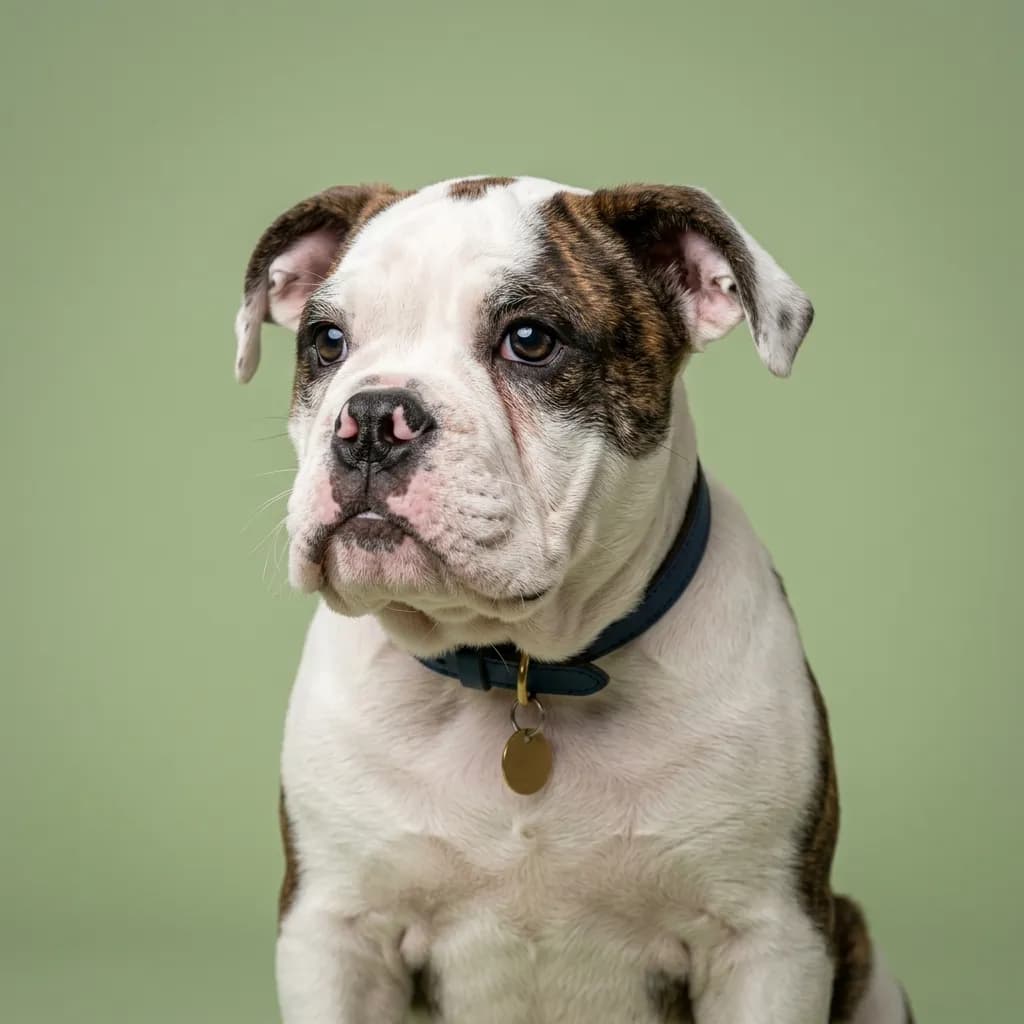
The American Bulldog isn’t some relic from back-alley dogfights or a brute in disguise. This is a working farm dog from the southern United States, originally bred to catch hogs, guard property, and do it all with quiet confidence. They’ve been around since the 1800s, but what you see today, muscular, square-headed, and standing firm at 20 to 25 inches, is a revival of a breed nearly lost after WWII.
Now recognized by the AKC’s Foundation Stock Service, they’re still working dogs at heart, not showroom ornaments. Living with one feels like having a loyal bodyguard who also wants to nap on your feet. They’re affectionate with their people, scoring a 4 out of 5 for love and loyalty, but don’t expect constant clowning.
These dogs are calm indoors, often mistaken for lazy, but don’t be fooled. They need real exercise. A backyard isn’t enough.
Daily walks plus space to stretch their 60 to 100-pound frames are non-negotiable. Without it, that self-confidence turns into stubbornness or chewing on your baseboards. Training?
They’re smart and eager to please, with a 4 out of 5 trainability score, but they’ll test you. Consistency and early socialization are critical. They’re not big barkers.
1 out of 5, so they make quiet guardians. Shedding is moderate, 2 out of 5, so weekly brushing keeps it under control. Their short coat is low-maintenance, but don’t skip ear checks and nail trims.
Health-wise, hip and elbow dysplasia are real risks, along with cherry eye and hypothyroidism. Reputable breeders do OFA testing, so never skip vetting your breeder, this is why prices range from $1500 to $4000. A cheap American Bulldog often means future vet bills.
They’re best for experienced owners who can lead firmly and live actively. Rural homes with space? Perfect.
Apartments or first-time owners? Look elsewhere. They’re good with kids.
3 out of 5, but their size and strength mean supervision is a must. Here’s the thing most people miss: American Bulldogs don’t need more exercise than a border collie, but they do need more purpose. They thrive when given a job, lawn patrol, obedience drills, even weight-pull games.
Without one, they’ll invent their own rules. And trust me, you don’t want them rewriting the household bylaws.
14 traits, at a glance.
Every breed on PuppyBase is rated across the 14 trait dimensions the American Kennel Club publishes — from trainability to drooling level. The higher the score, the better the fit for that trait.
What to expect day-to-day
Things to screen for
See a full price breakdown — first-year costs, lifetime estimate, breeder vs. adoption.
Full price guideSimilar breeds
Browse all 200+


Common questions
How long do American Bulldogs live?
American Bulldogs typically live between 10 and 12 years. With proper care and regular vet checkups, some can live slightly beyond this range.
How much does a American Bulldog puppy cost?
A well-bred American Bulldog puppy usually costs between $1,200 and $3,500, with most averaging around $2,500 depending on lineage and breeder reputation.
How much do American Bulldogs shed?
American Bulldogs have a short, smooth coat that sheds moderately. You'll notice shedding year-round, but it's manageable with weekly brushing.
What colors do American Bulldogs come in?
American Bulldogs come in white with patches of brindle, brown, red, fawn, or black, though solid white is also common and accepted.
How big do American Bulldogs get?
American Bulldogs range from 20 to 25 inches tall at the shoulder and typically weigh between 60 and 100 pounds, with males being larger than females.
Are American Bulldogs smart?
Yes, American Bulldogs are intelligent and respond well to consistent, structured training. They thrive when given clear direction and mental challenges.
Are American Bulldogs hypoallergenic?
No, American Bulldogs are not hypoallergenic. They shed and produce dander, so they are not a good choice for people with allergies.
Are American Bulldogs aggressive?
American Bulldogs are not inherently aggressive, but they are naturally protective and can be wary of strangers. Poor breeding or lack of socialization increases the risk of aggression.
What health problems are common in American Bulldogs?
Common health issues include hip and elbow dysplasia, cherry eye, hypothyroidism, and breathing problems due to their brachycephalic traits.
Do American Bulldogs bark a lot?
No, American Bulldogs rarely bark without reason. They are generally quiet dogs, which makes them poor alarm barkers but good for owners who dislike constant noise.
Are American Bulldogs easy to train?
Yes, American Bulldogs are highly trainable when trained with firm, consistent leadership. They need early structure and don't suit owners who are passive or inconsistent.
Are American Bulldogs good family dogs?
They can be good family dogs for experienced owners, especially in active households. They are loyal and gentle with their own family but need supervision around young children.
Are American Bulldogs good with cats?
American Bulldogs have a strong prey drive, so early socialization is critical if you want them to coexist with cats. Even then, some will never be safe off-leash around small pets.
Are American Bulldogs good guard dogs?
Yes, American Bulldogs make excellent guard dogs. They are naturally protective of their property and family, alert without being overly aggressive.
Can American Bulldogs live in apartments?
No, American Bulldogs are not well-suited for apartment living. They need space, regular exercise, and mental stimulation, which is hard to provide in small urban homes.
Are American Bulldogs good first dogs?
No, American Bulldogs are not recommended for first-time owners. They require confident handling, consistent training, and early socialization to thrive.
Not sure which breed fits your life?
Answer five questions about your home, your schedule, and your tolerance for shedding. We’ll match you to your top three breeds from over 200.