Deafness
What It Is
Deafness in dogs isn’t just about hearing loss—it can be partial (unilateral or bilateral) or complete, and it can show up at birth (congenital) or develop later in life. The type most linked to specific breeds is congenital sensorineural deafness, which happens when the nerves in the inner ear don’t form properly. This is strongly associated with white or merle coat patterns and lack of pigment in the skin of the inner ear. Simply put: no pigment, no working nerve cells. Over 17 breeds are known to have higher rates of this condition, especially those with dominant white, piebald, or merle genes. Dalmatians, for example, have a deafness rate as high as 30% according to some studies, with about 10–15% being bilaterally deaf. Congenital deafness usually shows up by 4–6 weeks of age and is permanent.
Symptoms to Watch For
Puppies that don’t respond to sound—clapping, squeaky toys, or your voice—are a red flag. A deaf puppy might seem extra sensitive to vibrations (they feel footsteps before they “hear” you) or be harder to potty train because they don’t react to verbal cues. Some owners miss it early because puppies are observant; they’ll follow littermates or read body language. Unilateral (one-sided) deafness is even trickier—those dogs often compensate so well you might not notice until they fail basic training. Other signs: startling easily when touched (especially from behind), not waking up when the house gets noisy, or ignoring your call when their back is turned. If your dog seems “selectively deaf,” that might not be attitude—it could be biology.
Diagnosis
The only reliable way to diagnose congenital deafness is the BAER test (Brainstem Auditory Evoked Response). It’s non-invasive and takes about 10–15 minutes. Electrodes are placed on the puppy’s head, and they play clicks through earphones. The machine measures whether the brain responds. It’s the gold standard, and if you’re buying from a reputable breeder in a high-risk breed, they should have BAER-tested the litter. The test runs $100–$200, depending on location and whether it’s done by a vet or a university clinic. Some breed clubs even track BAER results publicly. General vets can’t diagnose this accurately with basic exams—don’t rely on “the clap test” at home. If a breeder won’t show you BAER results for both parents, walk away. That’s a major red flag.
Treatment Options
Here’s the hard truth: congenital deafness has no cure. No surgery, no medication, no miracle supplement. But that doesn’t mean deaf dogs can’t live full, happy lives. With training and management, they thrive. The key is communication through touch, vibration, and visual cues. You’ll use hand signals instead of verbal commands—many deaf dogs actually train faster because they’re so focused on body language. Vibration collars (not shock collars!) can help get their attention from a distance. Safety matters: keep them leashed in unsecured areas, never let them off-leash in open spaces, and make sure everyone in the household knows how to wake them gently. Deaf dogs can be amazing companions—but they require extra responsibility. No, they’re not “defective.” Yes, they need a committed home.
Prevention and Screening
The best prevention is responsible breeding. Breeders should BAER-test breeding stock and avoid pairing two carriers—especially in breeds like Dalmatians or Bull Terriers where the trait is well-documented. Avoid breeding merle-to-merle (in breeds like Australian Shepherds or Catahoulas) because double merles have sky-high rates of deafness and blindness. Reputable breeders won’t breed a dog with bilateral deafness, and many won’t breed unilaterally deaf dogs either. If you’re considering a high-risk breed, ask for BAER certification on both parents. It’s worth the extra cost—$500–$1,000 more for a tested puppy is cheaper than managing an untrained, unsafe dog long-term. And honestly? Skip backyard breeders who can’t prove their dogs are tested. Your dog’s quality of life depends on this.
Breeds Most at Risk
Terrier lovers, pay attention: 7 of the 17 high-risk breeds are terriers, including Bull Terriers, Miniature Bull Terriers, and Boston Terriers—all prone to white pigmentation and associated deafness. Dalmatians top the list, with one of the highest documented rates. Then there’s the herding crew: Australian Cattle Dogs, Old English Sheepdogs, and the rare Stumpy Tail. Merle-patterned breeds like the Catahoula Leopard Dog and Dogo Argentino also pop up frequently. Even sweet-faced breeds like Havanese and English Setters aren’t off the hook. If you’re drawn to flashy coats—white, speckled, or merle—know the risks. It’s not just about looks. It’s about whether that puppy can hear your voice when you call them home.
Breeds commonly affected

American Hairless Terrier
Terrier Group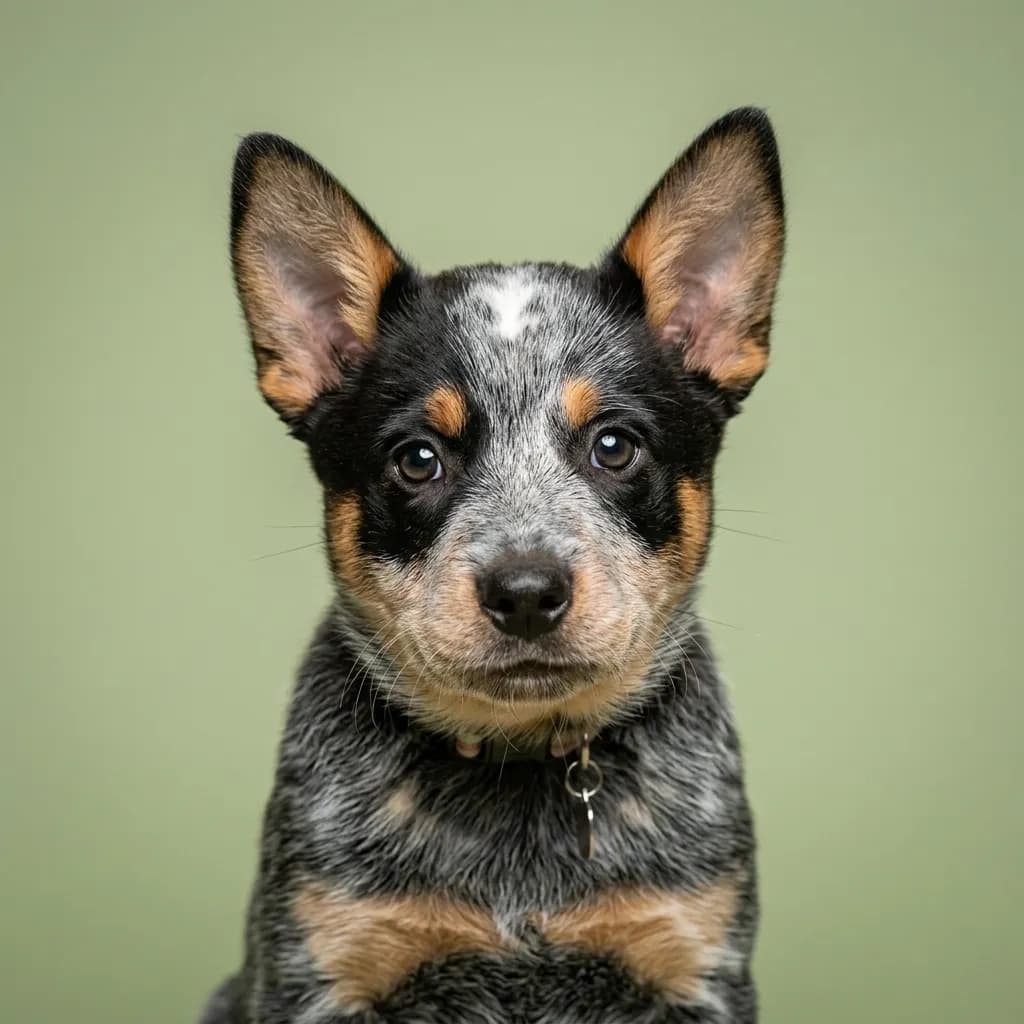
Australian Cattle Dog
Herding Group
Australian Stumpy Tail Cattle Dog
Foundation Stock Service
Boston Terrier
Non-Sporting Group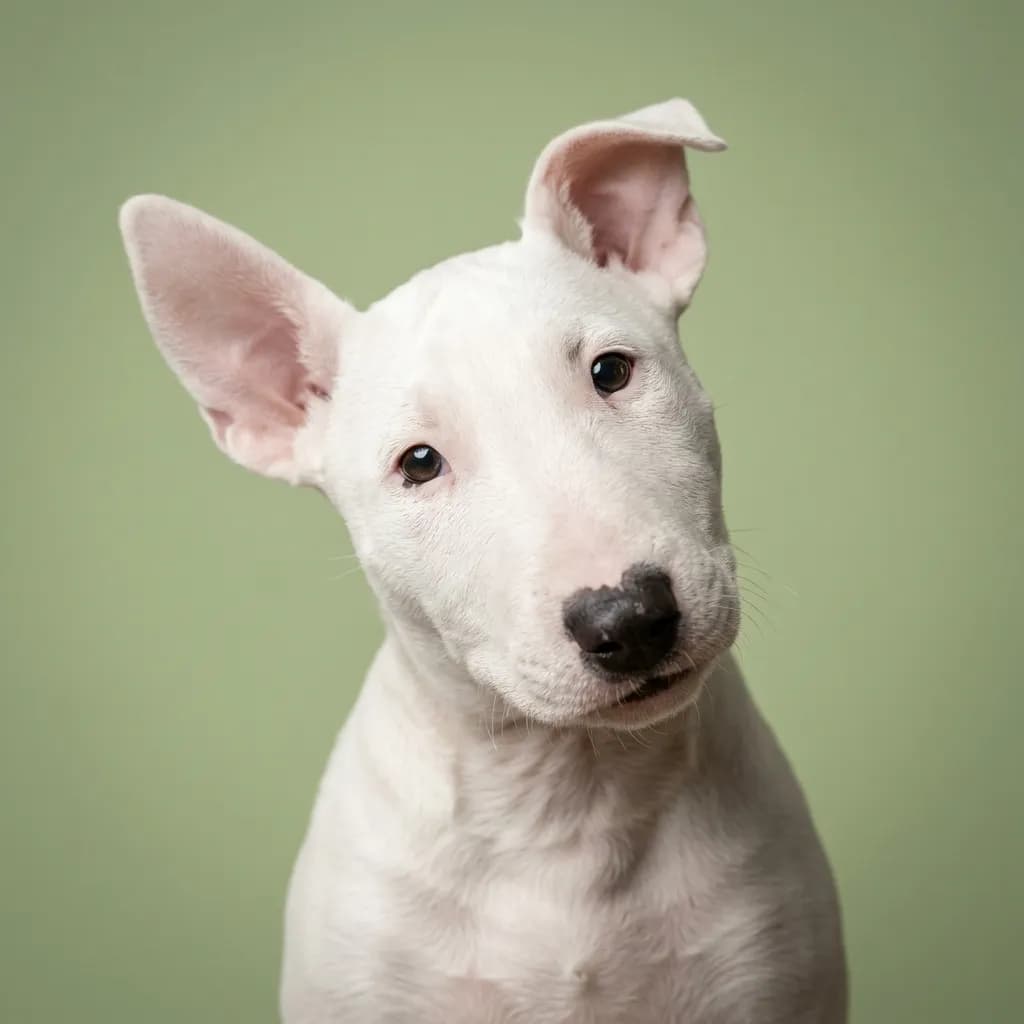
Bull Terrier
Terrier Group
Catahoula Leopard Dog
Foundation Stock Service
Dalmatian
Non-Sporting Group
Dogo Argentino
Working Group
English Setter
Sporting Group
Havanese
Toy Group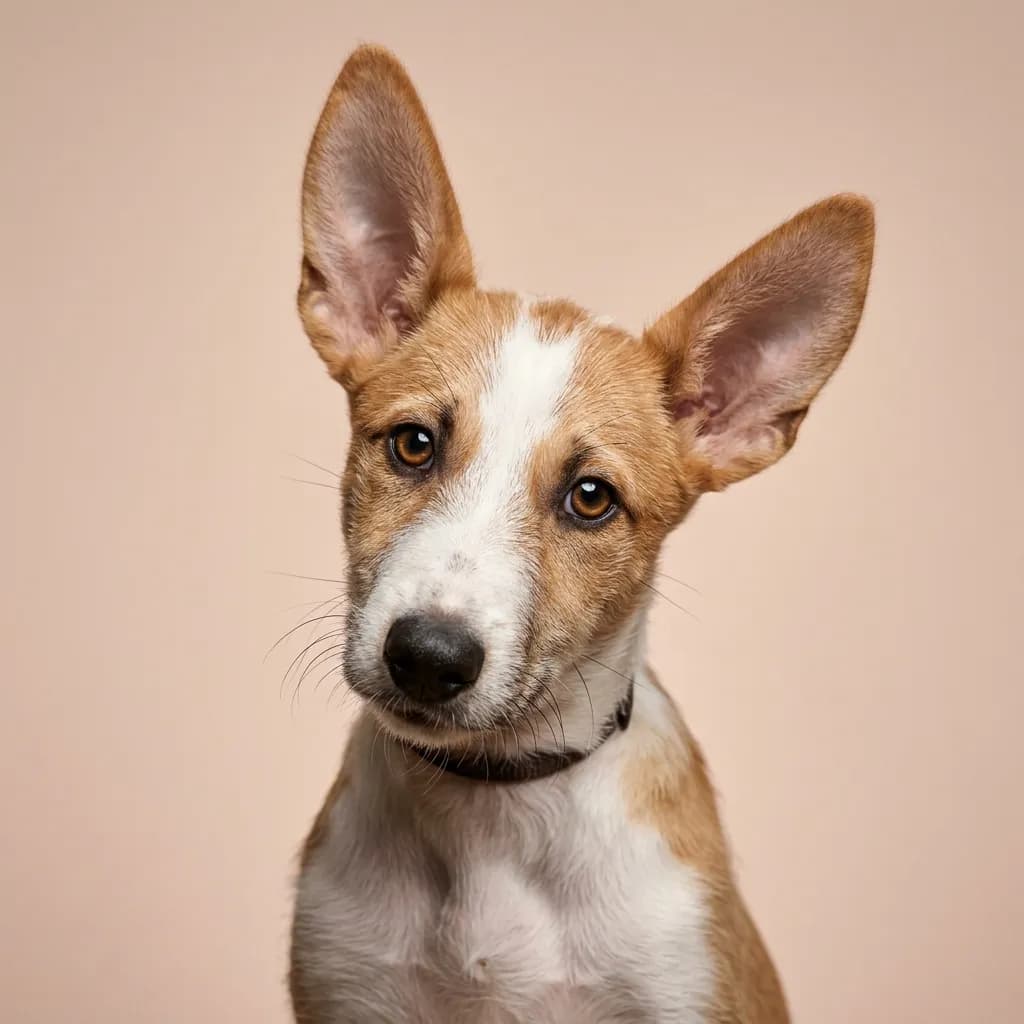
Ibizan Hound
Hound Group
Miniature Bull Terrier
Terrier Group
Old English Sheepdog
Herding Group
Parson Russell Terrier
Terrier Group
Russell Terrier
Terrier Group
Sealyham Terrier
Terrier Group