Silky Terrier
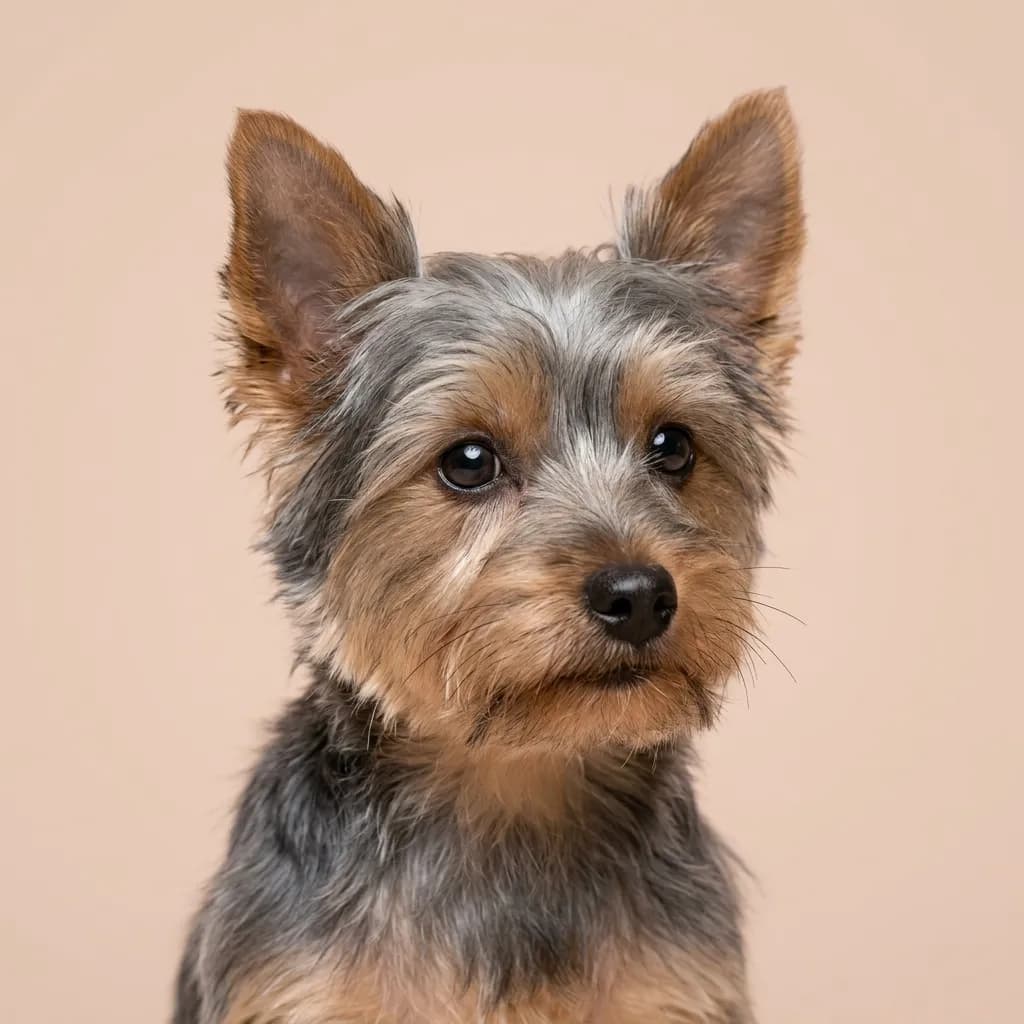
Don't let the silky floor-length coat fool you — this is a terrier with a capital T. Quick, curious, and always looking for something to chase or dig up, Silkies have the energy and attitude of a much larger hunting dog stuffed into a 10-pound package. They'll sit on your lap, but only after they've investigated every corner of the house.
Free weekly training plan, specific to your Silky Terrier’s age. Exactly what to focus on this week.
Get your free training planLiving with a Silky Terrier
The Silky Terrier started out in Australia as a scrappy little ratter, bred to take down snakes and rodents in busy urban areas. Crossed from Australian Terriers and Yorkshire Terriers, they were never meant to be delicate lap dogs. Don’t let the flowing blue-silver coat fool you.
This is a dog with opinions, energy, and a surprisingly bold streak for a 10-pound package. You’ll love their affection. They glue themselves to people they trust, curling up after a long day like they’ve earned the spot.
But unlike some toy breeds, they’re not passive. They’re quick on their feet, keenly alert to every doorbell and squirrel dash, and they’ll bark, often. That 4/5 barking score isn’t a typo.
They’re trainable (solid 4/5), so you can shape that behavior, but you’ll need consistency. They’re smart enough to learn fast, but stubborn enough to test you. They don’t need marathon walks.
Two 20-minute walks plus some indoor play or a quick game of fetch covers their 3/5 energy needs. But don’t mistake that for laziness. They’re always on, watching, reacting, ready to alert you to the neighbor’s cat three houses down.
Grooming is non-negotiable. That silky coat? It’s low-shedding (2/5, great for allergy sufferers), but it tangles like crazy.
Daily brushing is the bare minimum. Skip a day, and you’ll be cutting out mats by the end of the week. Trim every 6-8 weeks or learn to do it yourself.
Health-wise, keep an eye on their knees (patellar luxation) and hip joint (Legg-Calvé-Perthes). Tracheal collapse is a risk, so use a harness, not a collar. Lifespan is solid.
13 to 15 years, so you’re making a long-term commitment. They’re ideal for apartment dwellers who want a lively, loyal companion and don’t mind grooming. Not for families with toddlers or homes with hamsters or birds.
And if you want a dog that lounges all day, look at a Cavalier. Here’s the real talk: people buy Silkies for the coat, but they keep them for the personality. This isn’t a fashion accessory.
It’s a tiny watchdog with a big-dog attitude and a surprising amount of heart.
14 traits, at a glance.
Every breed on PuppyBase is rated across the 14 trait dimensions the American Kennel Club publishes — from trainability to drooling level. The higher the score, the better the fit for that trait.
What to expect day-to-day
Things to screen for
- Epilepsy
- Patellar luxation
- Diabetes
- Tracheal collapse
- Legg-Calvé-Perthes disease
See a full price breakdown — first-year costs, lifetime estimate, breeder vs. adoption.
Full price guideSimilar breeds
Browse all 200+


Common questions
How long do Silky Terriers live?
Silky Terriers typically live between 13 and 15 years, which is a solid lifespan for a small dog breed.
How much does a Silky Terrier puppy cost?
A Silky Terrier puppy usually costs between $1,200 and $2,500, with most buyers paying around $1,800 for a well-bred pup.
How much do Silky Terriers shed?
Silky Terriers shed very little, making them a good choice for people who want a low-shedding dog.
What colors do Silky Terriers come in?
Silky Terriers are always blue and tan, with the blue ranging from silver to deep steel and tan markings on the face, chest, and legs.
How big do Silky Terriers get?
Silky Terriers stand 9 to 10 inches tall and weigh between 8 and 10 pounds, making them a compact, lightweight companion.
Are Silky Terriers smart?
Yes, Silky Terriers are sharp and quick learners who pick up new commands in just a few repetitions when trained consistently.
Are Silky Terriers hypoallergenic?
Yes, Silky Terriers are considered hypoallergenic due to their low-shedding, silky coat that produces minimal dander.
Are Silky Terriers aggressive?
Silky Terriers aren't inherently aggressive, but they’re bold and alert, which can come off as feisty around strangers or other dogs if not socialized early.
What health problems are common in Silky Terriers?
Common health issues include patellar luxation, Legg-Calvé-Perthes disease, tracheal collapse, diabetes, and epilepsy, so regular vet checkups are important.
Do Silky Terriers bark a lot?
Yes, Silky Terriers tend to bark frequently—they’re alert and make excellent watchdogs, but this means they can be noisy if not managed.
Are Silky Terriers easy to train?
Silky Terriers are generally easy to train because they’re intelligent and responsive, though they can be independent so consistency is key.
Are Silky Terriers good family dogs?
They can be good family dogs in homes with older children, but their small size and moderate tolerance for rough handling make them less ideal for families with very young kids.
Are Silky Terriers good with cats?
Silky Terriers have a strong prey drive and may not do well with cats or small pets, especially if not raised together from puppyhood.
Can Silky Terriers live in apartments?
Yes, Silky Terriers adapt well to apartment living as long as they get daily walks and mental stimulation to burn off their moderate energy.
Are Silky Terriers good guard dogs?
Despite their small size, Silky Terriers make excellent watchdogs because they’re extremely alert and will bark to alert you to anything unusual.
How often do Silky Terriers need grooming?
Silky Terriers need brushing several times a week to prevent tangles and keep their long, silky coat in good condition, plus regular trimming every few months.
Not sure which breed fits your life?
Answer five questions about your home, your schedule, and your tolerance for shedding. We’ll match you to your top three breeds from over 200.