Swedish Vallhund
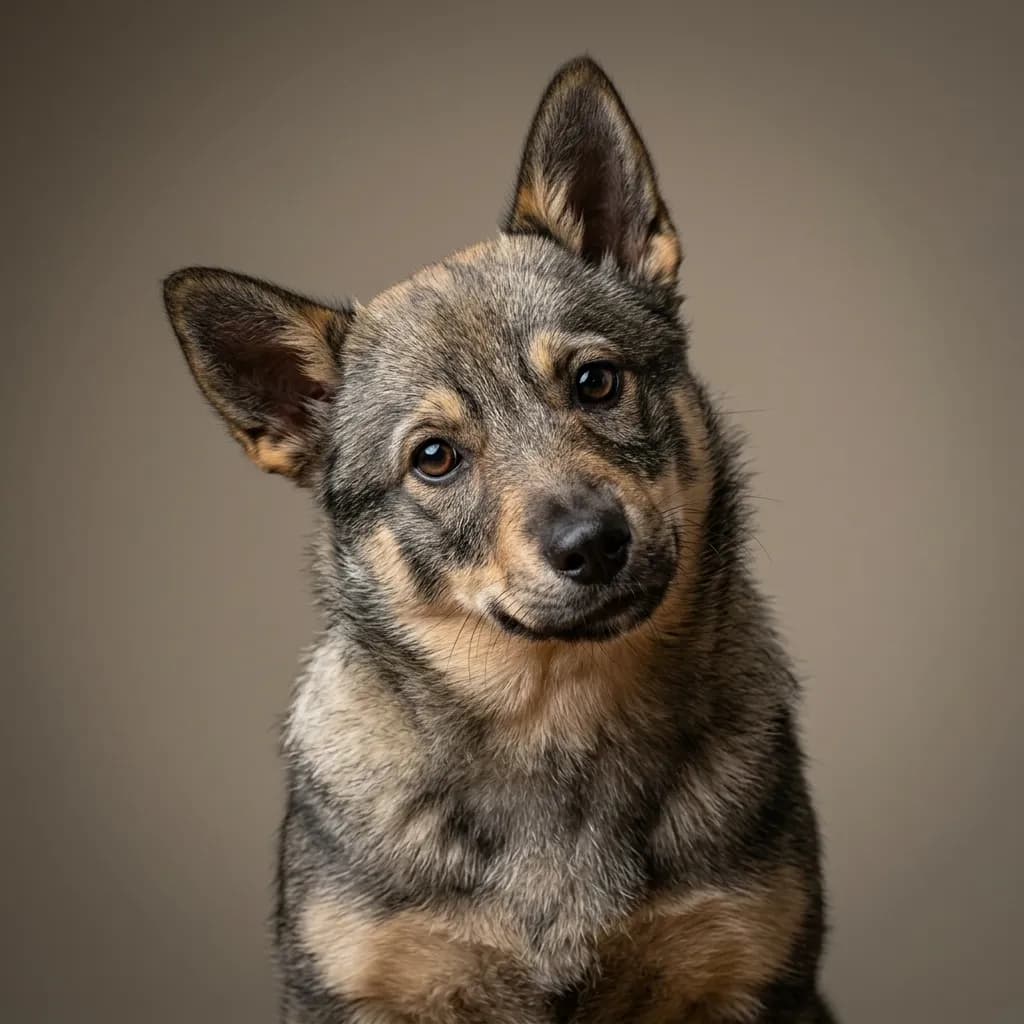
Think Corgi ancestor with Swedish Viking credentials — low-slung, spitz-faced, and wired for cattle herding. Swedish Vallhunds are cheerful, energetic, and surprisingly versatile in dog sports, with a wedge-shaped head and natural bobtail (or a range of tail lengths) that makes them look unlike anything else. Underrated by anyone who hasn't owned one.
Free weekly training plan, specific to your Swedish Vallhund’s age. Exactly what to focus on this week.
Get your free training planLiving with a Swedish Vallhund
The Swedish Vallhund isn’t just a corgi lookalike with a different accent. This herding breed from Sweden has been moving cattle in Scandinavia for over a thousand years, and that working drive still hums under their low-slung, powerful frame. Weighing 20 to 35 pounds and standing just 11.5 to 13.7 inches tall, they’re compact but tough, built for agility and stamina.
Don’t let the size fool you, they’ve got the heart of a much larger dog. In daily life, Vallhunds are alert, affectionate, and always tuned in. They bond closely with their people, scoring a full 5/5 for affection and kid-friendliness, which makes them fantastic family dogs if you’ve got the energy to match theirs.
They’re not barkers by default, but they’re watchful, expect a solid 3/5 on barking, meaning they’ll alert you to the mail carrier, the neighbor’s cat, or a suspicious leaf. They thrive on mental and physical activity, needing at least an hour of serious exercise daily. Without it, they’ll entertain themselves by herding your ankles or rearranging your shoes.
They’re highly trainable (4/5) and excel in dog sports like agility, herding trials, and obedience. Grooming is a real commitment. Their medium-length double coat sheds year-round and blows it out heavily twice a year.
Weekly brushing is non-negotiable, and during shedding season, you’ll want to vacuum like it’s a part-time job. Shedding gets a 4/5 for a reason. Health-wise, they’re generally robust with a 12 to 15 year lifespan, but you should screen for hip dysplasia, patellar luxation, and two eye conditions: progressive retinal atrophy and the breed-specific Swedish Vallhund retinopathy.
Reputable breeders test for these, so don’t skip health clearances. Price ranges from $1,000 to $3,000. They’re perfect for active families, first-time owners who’ll train consistently, and anyone who loves a dog with a job.
They’re not for retirees wanting a lapdog or anyone annoyed by a vocal companion. Here’s the real insight: their small size fools people into thinking they’re low-maintenance. They’re not.
This is a working dog in a compact package. If you don’t tire them out mentally and physically, they’ll decide what needs doing, and it probably won’t be what you had in mind.
14 traits, at a glance.
Every breed on PuppyBase is rated across the 14 trait dimensions the American Kennel Club publishes — from trainability to drooling level. The higher the score, the better the fit for that trait.
What to expect day-to-day
Things to screen for
- Epilepsy
- Progressive retinal atrophy
- Swedish Vallhund retinopathy
- Patellar luxation
- Hip dysplasia
See a full price breakdown — first-year costs, lifetime estimate, breeder vs. adoption.
Full price guideSimilar breeds
Browse all 200+



Common questions
How long do Swedish Vallhunds live?
Swedish Vallhunds typically live between 12 and 15 years, which is a long lifespan for a small to medium-sized dog. With proper care and regular vet checkups, many live well into their teens.
How much does a Swedish Vallhund puppy cost?
A Swedish Vallhund puppy usually costs between $1,500 and $3,500, with most averaging around $2,500. Prices vary based on breeder reputation, bloodlines, and regional demand.
How much do Swedish Vallhunds shed?
Swedish Vallhunds shed a lot year-round thanks to their dense double coat. You'll need to brush them weekly, and more often during seasonal shedding peaks in spring and fall.
What colors do Swedish Vallhunds come in?
Swedish Vallhunds come in sable patterns ranging from gray to red, always with lighter undercoats and white markings on the chest, legs, face, and neck. The coat has a wild, natural look that highlights their spitz heritage.
How big do Swedish Vallhunds get?
Swedish Vallhunds stand between 11.5 and 13.7 inches tall at the shoulder and weigh 20 to 35 pounds. They’re compact and muscular, built for agility and endurance rather than size.
Are Swedish Vallhunds smart?
Yes, Swedish Vallhunds are highly intelligent and thrive in dog sports like agility, obedience, and herding. They pick up new commands quickly and need mental challenges to stay happy.
Are Swedish Vallhunds hypoallergenic?
No, Swedish Vallhunds are not hypoallergenic. They shed heavily and produce dander, so they’re not a good choice for people with allergies.
Are Swedish Vallhunds aggressive?
No, Swedish Vallhunds are not aggressive by nature. They’re friendly and watchful, but can be reserved with strangers and may bark to alert you. Early socialization helps them stay well-mannered.
What health problems are common in Swedish Vallhunds?
Common health issues include hip dysplasia, patellar luxation, progressive retinal atrophy, Swedish Vallhund retinopathy, and epilepsy. Reputable breeders screen for these conditions.
Do Swedish Vallhunds bark a lot?
Swedish Vallhunds bark moderately—they’ll alert you to visitors or unusual sights, but they’re not chronic barkers. Training can help manage their watchdog tendencies.
Are Swedish Vallhunds easy to train?
Yes, Swedish Vallhunds are highly trainable thanks to their sharp minds and eagerness to please. They respond best to consistent, positive reinforcement methods.
Are Swedish Vallhunds good family dogs?
Yes, Swedish Vallhunds are excellent family dogs. They’re very affectionate with their people and great with kids, as long as they get enough exercise and mental stimulation.
Are Swedish Vallhunds good with cats?
Swedish Vallhunds can live with cats, especially if raised together, but their herding drive may kick in with fast-moving pets. Supervision and early exposure improve compatibility.
Can Swedish Vallhunds live in apartments?
Yes, Swedish Vallhunds can adapt to apartment living if they get plenty of daily exercise and mental engagement. They’re energetic and need routine activity to avoid boredom.
Are Swedish Vallhunds good first dogs?
Yes, Swedish Vallhunds can be good first dogs for owners committed to training and activity. They’re smart and eager to please, but need consistency and socialization from day one.
Are Swedish Vallhunds good guard dogs?
No, Swedish Vallhunds aren’t good guard dogs. They’re too small and friendly for serious protection work, though they’ll alert you with moderate barking when something’s amiss.
Not sure which breed fits your life?
Answer five questions about your home, your schedule, and your tolerance for shedding. We’ll match you to your top three breeds from over 200.