Akita vs American Eskimo Dog
Side-by-side comparison across all 14 AKC trait ratings, with a clear verdict on which breed fits which kind of household.
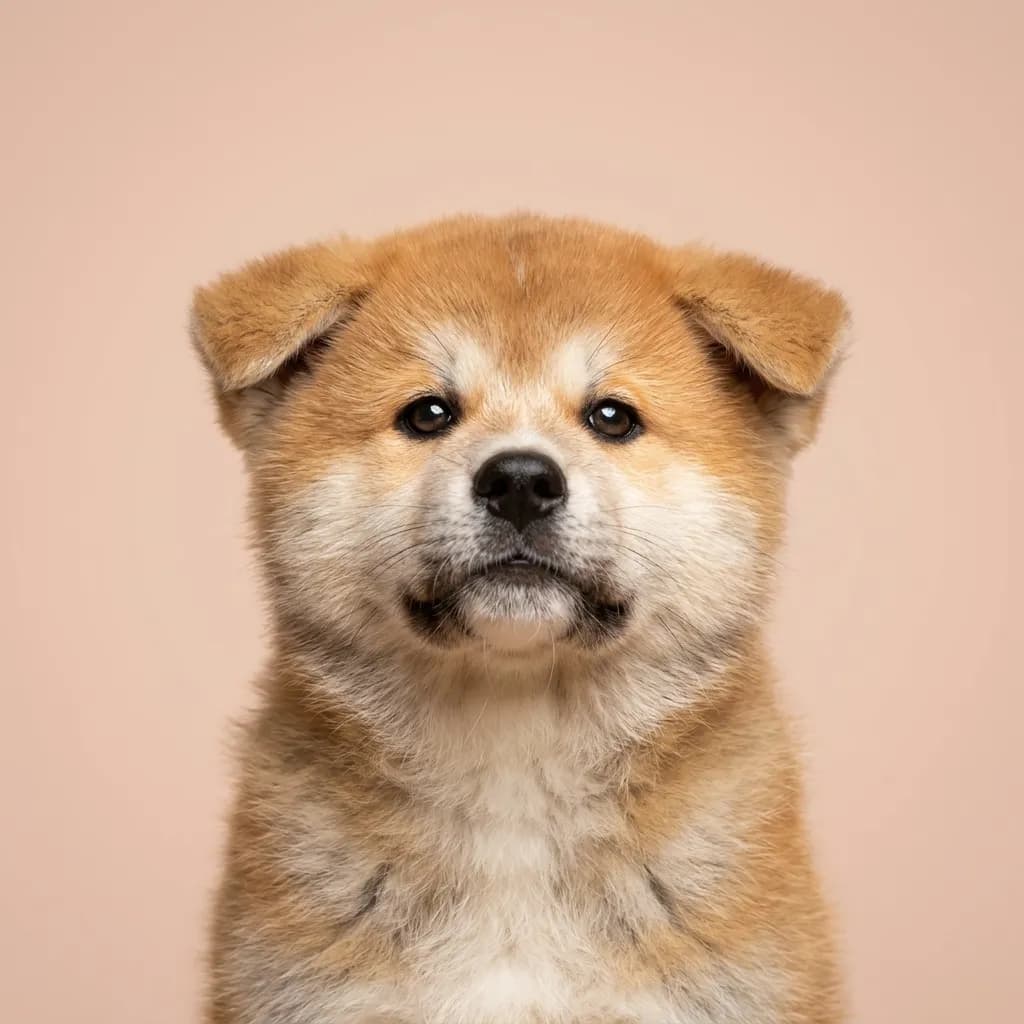
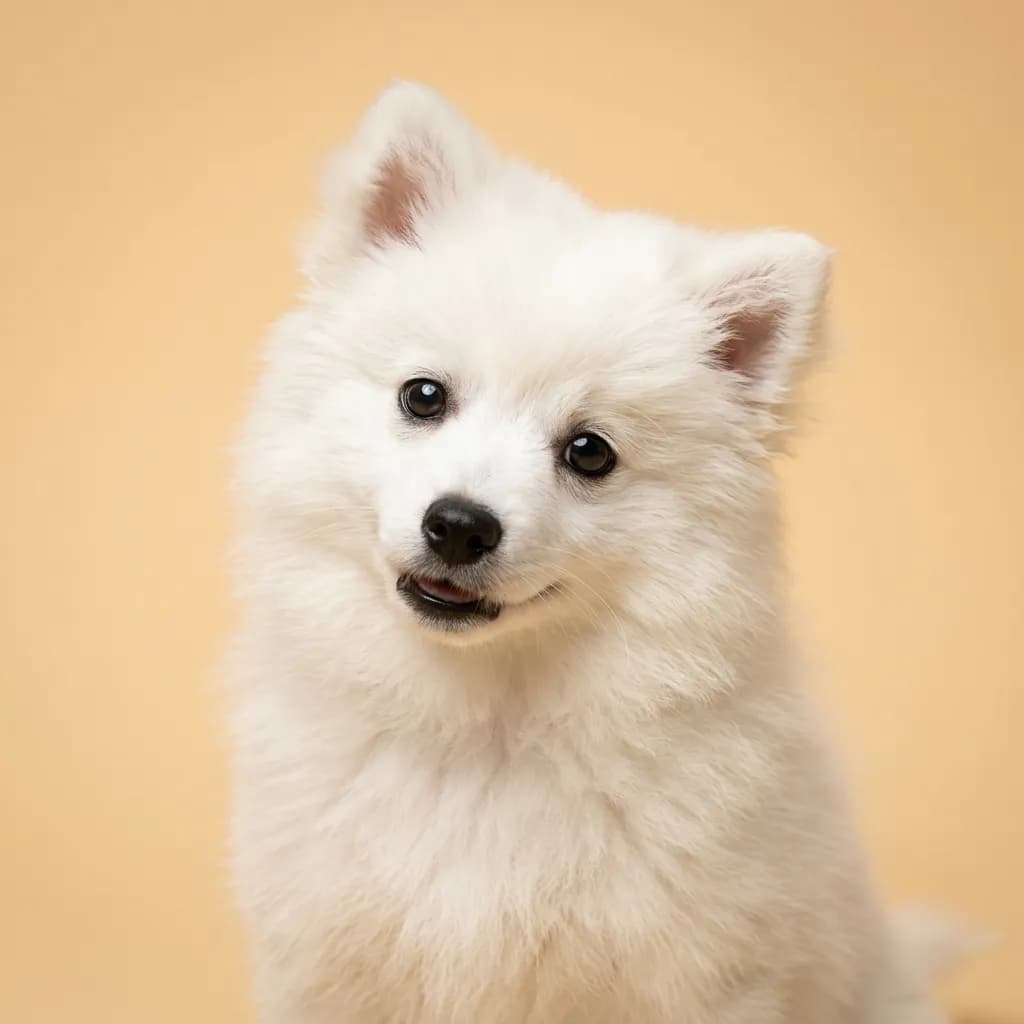
Not sure which breed fits your life?
Answer five questions about your home, your schedule, and your tolerance for shedding. We’ll match you to your top three breeds from over 200.
Akita vs American Eskimo Dog
You’re not really comparing an Akita to an American Eskimo Dog. You’re choosing between a mountain fortress and a snow globe. People lump them together because both are white, fluffy, and look like they belong in a winter postcard. That’s where the similarity ends. An Akita is a silent guardian with the presence of a samurai. They’re not looking to please you; they’re deciding whether you’ve earned their respect. Weighing up to 130 pounds, they’re powerful, independent, and deeply loyal to one person. They’ll tolerate kids if raised with them, but their patience isn’t endless. And introducing another dog? Good luck. Akitas are known to be dominant, sometimes even aggressive, toward other animals. You need experience, space, and the kind of confidence that doesn’t flinch under a 28-inch stoic stare. They were bred to hunt bear in Japan’s rugged mountains. this isn’t a lapdog with delusions of grandeur. This is a working beast. Now, the American Eskimo Dog? That puffball with the circus soul will learn a trick in five minutes, dance on its hind legs, and then curl up with the kids like a living teddy bear. They thrive on interaction, adapt to apartments, and their barks were practically designed for alerting the neighborhood. Yes, they shed, and yes, they need grooming, but their energy is joyful, not intense. They want to be with you, constantly. Here’s the truth beyond the data: the Akita isn’t a pet. It’s a partnership forged through mutual respect. The Eskimo Dog? It’s family. One demands your full attention and respect, the other just wants your lap and a treat. Pick based on who you are. not who you wish you were.
Trait-by-trait
Higher bar = more of that trait. Shedding, barking, drooling, grooming flipped for readability.Where they diverge
Choose the Akita if…
- Experienced owners
- Spacious homes
- Active people
- You value watchdog / protective — Akita scores noticeably higher.
Choose the American Eskimo Dog if…
- Families
- Active people
- Cold climates
- You value good with strangers — American Eskimo Dog scores higher here.